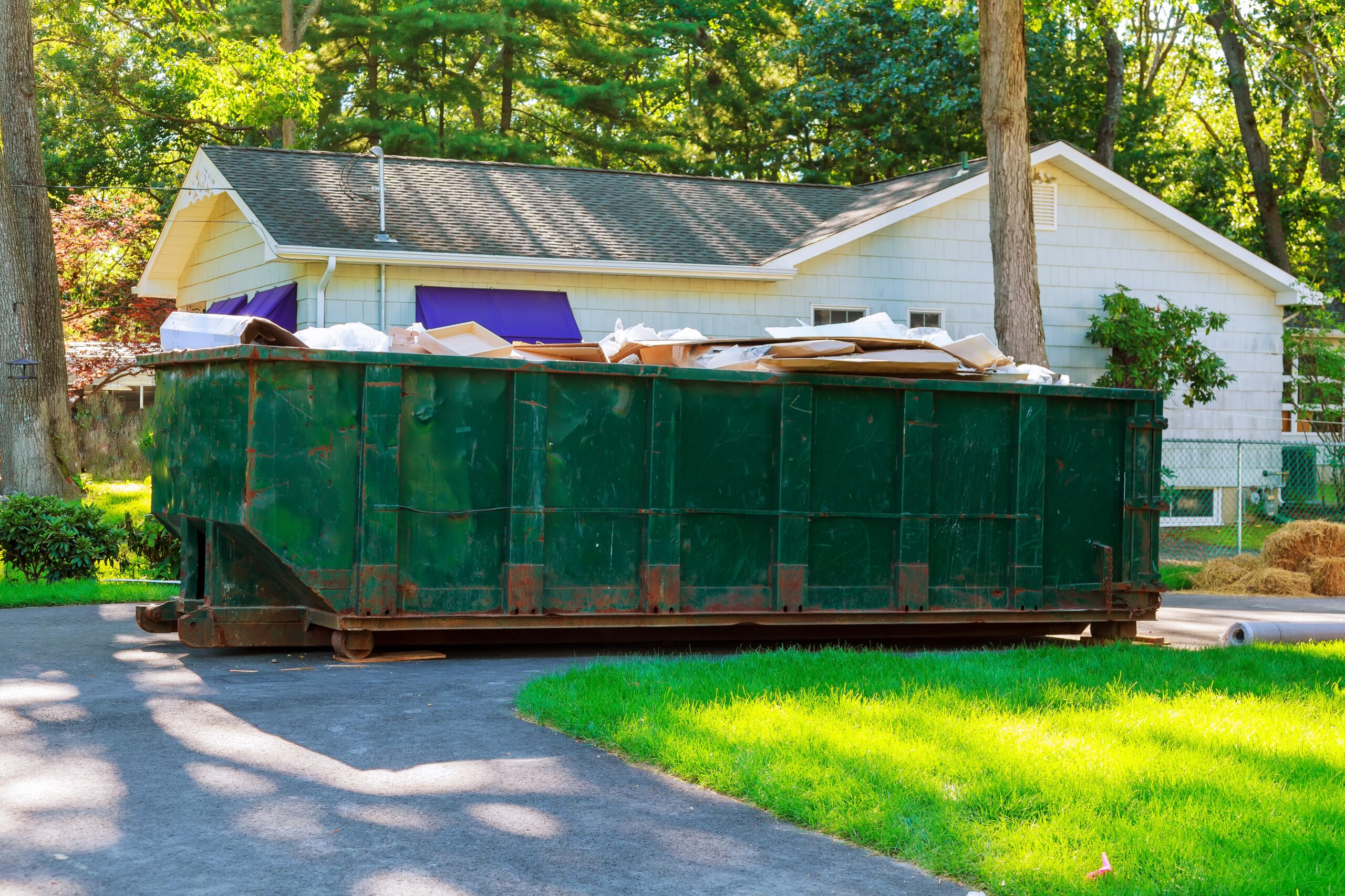
In 2026, contractors are learning the hard way that cleanup is no longer “something you deal with later.” It’s now an important part of keeping a project on track, on budget, and out of trouble.
For a long time, many crews thought that cleaning up after construction was the last step, something you did after the real work was done. But job sites these days have more rules, shorter deadlines, and smaller profit margins. That old way of thinking? Companies are losing real money.
Let’s look at what’s really going wrong and, more importantly, how to fix it before it becomes a problem.
The Hidden Price of Putting Off Cleanup
At first, it might not seem like a big deal that the cleanup is taking longer than expected. A little extra trash here and there, and a missed pickup here and there—no big deal, right? Not really.
When trash starts to build up, it affects the whole job site. A small mistake can quickly lead to big problems with efficiency.
Here’s what really happens when cleanup is put off:
- Crew members moved more slowly and got less done.
- More dangerous situations (especially when there is loose debris)
- Problems getting to the equipment
- Delays in inspections
- Higher labor costs because of rework or double handling
And, of course, the biggest problem: delays in cleaning up after construction that set back your whole schedule.
In 2026, when every day matters, even a small delay can mess up several parts of a project.
Where Things Usually Go Wrong
Most of the time, teams don’t care about cleanup problems; they happen because cleanup isn’t planned well from the start.
Let’s talk about some of the most common mistakes that contractors still make:
1. Not planning for waste well from the start
Many projects start without a clear plan for how to get rid of things. There are no set areas, no pickup times, and no one is in charge.
That’s when planning for contractor waste becomes very important. Without it, trash builds up faster than expected, and crews have to come up with solutions on the fly that cost time and money.
2. Ignoring small but important mistakes
It’s the little things that often turn into big problems. Confusion can happen on site if dumpsters are in the wrong place, there aren’t clear rules for getting rid of things, or there aren’t any signs.
These are common mistakes that teams make when it comes to managing waste on the job site.
3. Processes for removing things that don’t work well
Not all cleaning is the same. If your process for getting rid of trash is slow, inconsistent, or not well-organized, it can throw off the whole workflow.
Think about it:
- Crews waiting for a place to work
- Moving things around a lot
- Bottlenecks caused by bins that are too full
That’s what it looks like in real life when you don’t clean up debris quickly enough, and it kills productivity without anyone knowing.

What 2026 Means for the Stakes
So why is this more important now than it was a few years ago?
Because the field has changed.
In today’s construction world, there are:
- Stricter rules for the environment
- More inspections and checks for compliance
- Expectations for site safety are higher
- Projects that are more complicated and have many steps
All of this means that there is less room for mistakes and less tolerance for jobsites that are messy and disorganized.
Delays caused by bad cleanup aren’t just annoying anymore; they can also get you in trouble, fail inspections, and cost you a lot of money.
In fact, a lot of contractors are now getting fines that they could have easily avoided if they had taken steps early to avoid cleanup fines.
The Real Effect on Your Bottom Line
Let’s put it in context. A cleanup that takes too long could cost you:
- Extra hours of work
- Hauling services in case of an emergency
- Extending the project timeline
- Possible punishments
But it also hurts your reputation in other ways.
Clients can tell when a site is messy. Inspectors see. When the workspace isn’t safe or efficient, it affects even your own crew.
In a market with a lot of competition, those details are more important than ever.
How to Fix Problems with Cleanup Before They Happen
The good news is? Most problems that come up during cleanup can be avoided.
You just need to change your way of thinking, from reactive to proactive.
Here’s how to stay ahead of the game:
Start with a clear plan for cleaning up
You should already have a plan for how to deal with trash before the first piece of equipment hits the ground.
This includes:
- Set aside areas for debris
- Pickups that are planned
- Areas for throwing things away that are clearly marked
- Given jobs to do for cleaning up
Things go more smoothly from day one when everyone knows how the system works.
Include Cleaning in the Workflow
Cleaning up shouldn’t be a separate step; it should be part of everyday work.
Get crews to:
- As they go, clean
- Make sure paths are clear
Let us know right away if there is an overflow or problem. This small change can cut down on buildup by a huge amount and stop delays. Make sure the dumpster is in the best place and easy to get to. It’s more important than you think to put your dumpsters in the right place.
Placing things in the right place can:
- Cut down on movement that isn’t needed
- Make things work better
- Reduce the risks to safety
Make sure that dumpsters are easy to get to but don’t get in the way of important work.
Choose the Right Service Team to Work With
Who you work with can sometimes make the difference between a project going smoothly and one that is a mess.
A trustworthy site services provider can help you:
- Stick to your schedule
- Better manage your trash
Change quickly as the needs of the project change. That kind of help makes things a lot easier for your team.
Quick Wins You Can Use Right Now
Start here if you want to see changes right away:
Check out how you clean up now. Find delays or bottlenecks. If necessary, change how often you pick up. Teach your crew the right way to throw things away. Make sure everyone on the team knows what is expected of them. Even little changes can have a big effect.
The Big Picture
Cleaning up isn’t just about keeping things neat; it’s also about keeping your project on track.
When waste is handled correctly:
- Crews move faster
- Safer sites
- Inspections are easier
- Projects stay on track
And that’s exactly what contractors need to do to stay competitive in 2026.
Last Thoughts
Construction has always been about planning, timing, and getting things done, but now more than ever, the little things in between are just as important as the big goals.
Cleanup is one of those little things that can make or break a project without anyone noticing. When you take care of it early and do it right, everything else usually works out.
The teams that get this done are the ones that finish faster, avoid extra stress, and build a reputation for doing things the right way.
And to be honest, that’s what makes a good business stand out from the rest.