Let’s face it: sanitation is something that only gets noticed when something goes wrong. It’s easy to miss when everything seems fine. But what if it’s not? People start to complain, work slows down, and all of a sudden it’s a problem that everyone has to deal with every day. That way of doing things won’t work in 2026.
Sanitation services are an important part of running a job site these days, not just for comfort but also for safety, efficiency, and overall performance. And when you don’t pay attention to them, the costs show up in ways that aren’t always clear right away.
Let’s talk about what really happens when sanitation is put off until later, and why getting it right is more important than most contractors think. It starts out small and then gets bigger. Most problems with sanitation don’t happen all at once.
They start with little things:
- A unit that hasn’t been serviced on time
- Supplies are running low
- Restrooms are a little too far away from work areas
At first, the crews make changes. They find a way to get around it. But over time, those little problems become regular annoyances. And when that happens, the whole site feels the effects. The first thing to go is productivity. One of the first things to go wrong when sanitation isn’t done right is efficiency. Look at it from the crew’s point of view.
If the facilities are:
- Too far away
- Not clean enough to be comfortable to use
- Too many people during peak hours
Workers take more breaks from their work. This is where cleanliness on the job site is directly linked to performance. It’s not enough to just have facilities; they also need to be easy to get to and use all day.
Even small delays that happen to everyone on the crew can add up to hours of lost work time every week. You might not think it, but worker morale drops quickly. People often don’t realize how important this is.
Working on a construction site is already hard on the body. Crews have to work long hours, deal with bad weather, and always be on time. It doesn’t take long for frustration to build when basic needs like cleanliness and comfort aren’t met.
That’s where hygiene at work is more important than most people think. A clean, well-kept job site shows that the manager is taking care of it. Bad conditions say the opposite. And when morale is low, performance is too.
Hygiene Problems Can Get Worse
Not paying attention to cleanliness can cause real health and safety problems, not just make you uncomfortable.
Dirty or poorly kept facilities can make the following more likely:
- Crew members getting sick and spreading it to each other
- Workplaces that are dirty
- Less cleanliness on the whole site
This is why you can’t do half of the work to keep workers clean. It has to be dependable and consistent. A cleaner environment makes crews healthier, and healthier crews do better work.
No Longer Optional to Comply
There was a time when the standards for cleanliness were very different from one job site to the next. That’s not true anymore.
Groups like the Occupational Safety and Health Administration have made it clear what they expect from workplaces, including cleanliness. Following OSHA rules isn’t just about avoiding problems; it’s also about running a business in a professional and legal way.
Not paying attention to sanitation raises the risk of:
- Inspections that didn’t go well
- Warnings or punishments
- Stop working
And those are problems that no contractor wants to deal with while the project is going on. How it affects site organization. This is something that doesn’t always get talked about: cleanliness affects the overall organization of a site.
When people don’t take care of their facilities, it often shows in other areas:
- Waste is not handled as well.
- Things get messy in workspaces
- Standards for cleanliness go down all over the place
A clean job site, on the other hand, has a ripple effect.
When things are kept up well:
Workers are more responsible for their work areas. It gets easier to move around the site. The environment seems more under control. Cleaning and organizing go hand in hand.
Portable Solutions Only Work If You Know How to Use Them
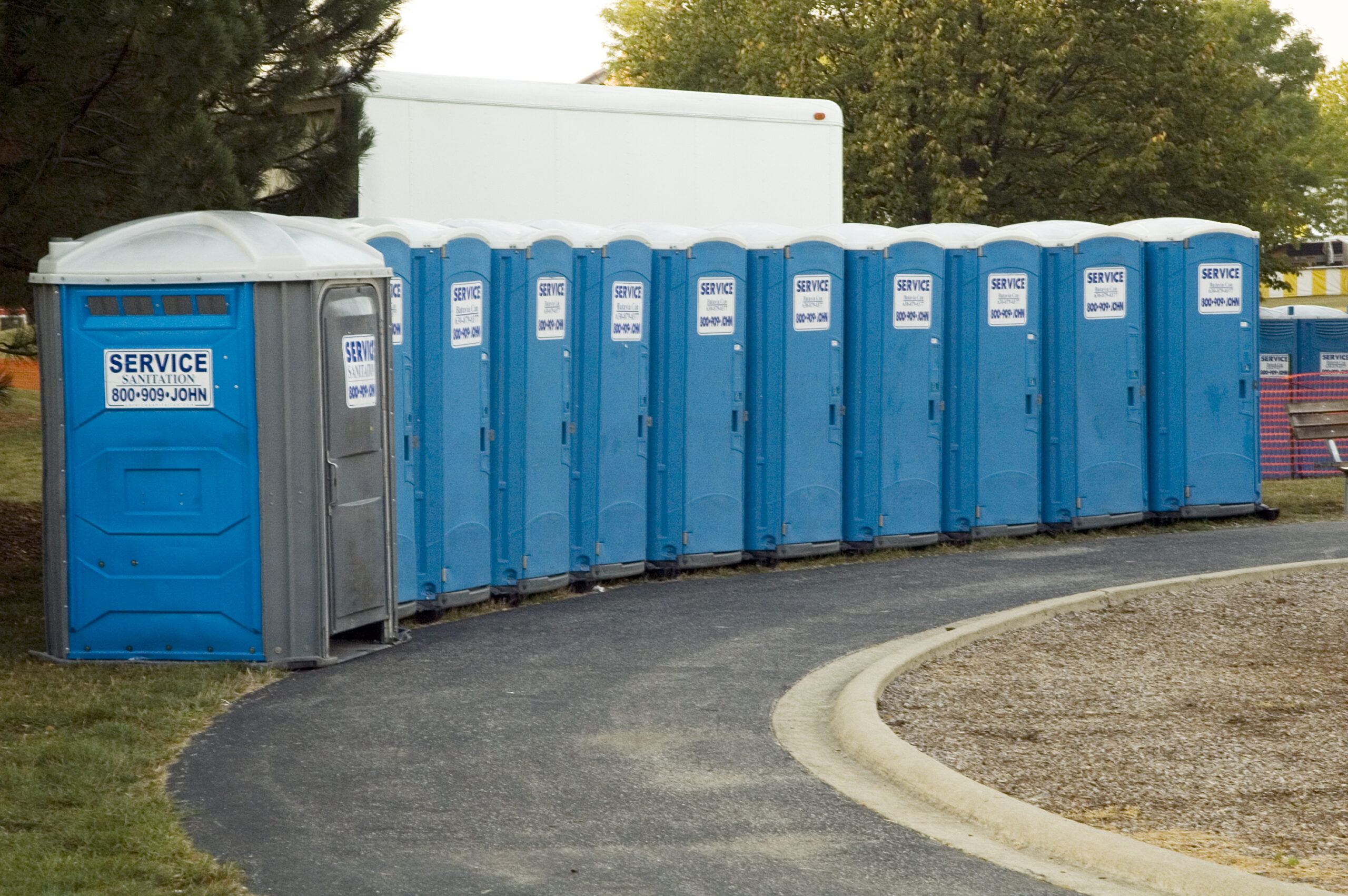
Most job sites use temporary setups to take care of their sanitation needs. But it’s not enough to just have units on site. Even the best portable sanitation setup can quickly become a problem if it isn’t taken care of properly.
It’s not just about where it goes; it’s also about:
- Regular maintenance
- Getting more supplies
- Keeping an eye on use
- Changing based on the number of crew members
When these things are done right, sanitation works fine in the background. When they aren’t, it makes me angry all the time.
Mistakes That Contractors Still Make Often
Even teams that have done this before sometimes forget about sanitation. Here are some patterns that come up a lot:
- Not knowing how many units are needed
- Using the same setup for the whole project
- Not increasing the number of services during busy times
- Putting facilities too far away from places where people are working
- Waiting for complaints instead of stopping them
It’s easy to make these mistakes, but it’s also easy to fix them if you take a more proactive approach.
What a Good Plan for Sanitation Looks Like
You don’t need a complicated system to get sanitation right. You just need to pay attention to how the site works and be consistent.
Plan Based on Actual Use
Think about how many people are on the site, not just at the beginning, but also during busy times. This helps figure out how many units and services are really needed.
Put Facilities Where They Make Sense
Accessibility is important. Units should be close enough together to cut down on downtime, but not so close that they get in the way of operations.Make sure service is always the same. Regular upkeep is important.Servicing should be based on how the device is actually used, not just a set schedule that never changes.
Change as the Project Grows
Your sanitation setup should change and grow as the site does. Being flexible makes a big difference.
Things You Can Do Right Now to Make Things Better
If your site is already suffering from bad sanitation, here are some easy things you can do to make things better:
- Be honest about how things are right now
- Increase the number of times services are offered when necessary
- Add more units when things are busy
- Move facilities closer to where people work
- Instead of waiting for things to run out, check your supplies often
- Talk to your crew about how things can be better
These changes don’t take long, but they can make a big difference.
Why This Is More Important in 2026
The building industry is changing. More than ever, people are paying attention to how efficient the site is, how well the workers are treated, and how good the overall conditions are. Contractors who pay attention to these details are getting better results, not just in productivity but also in how well their teams work together and how smoothly their projects go. People might not think about sanitation right away, but it’s something that affects everyone on site every day.
How Important the Right Support Is
Most teams don’t have the extra time or resources to properly manage sanitation. That’s when the right help makes a difference. IVAN’S SITE SERVICES takes care of sanitation in a proactive way, not a reactive way. That means:
- Service you can count on
- Clean, steady conditions
- Changes as your project moves forward
- Your team will be less stressed
And when those things are taken care of, everything else goes more smoothly.
Last Thoughts
At first, it might not seem like a big deal to ignore sanitation, but over time, the effects are impossible to ignore. It changes how people work, how the site feels, and how quickly everything moves.
The good news is that this is one of the easiest things to get better at. If you plan ahead and stick to it, cleaning can go from being a problem to something you don’t have to worry about at all. And in a job site that moves quickly, that kind of dependability makes a bigger difference than most people think.