Let’s talk about something most people don’t bring up—but everyone on a jobsite feels. Restrooms. They’re not the most exciting part of a project, but when they’re not planned right, they become a daily frustration for crews. And in 2026, where efficiency and worker experience matter more than ever, overlooking this detail can quietly affect your entire operation.
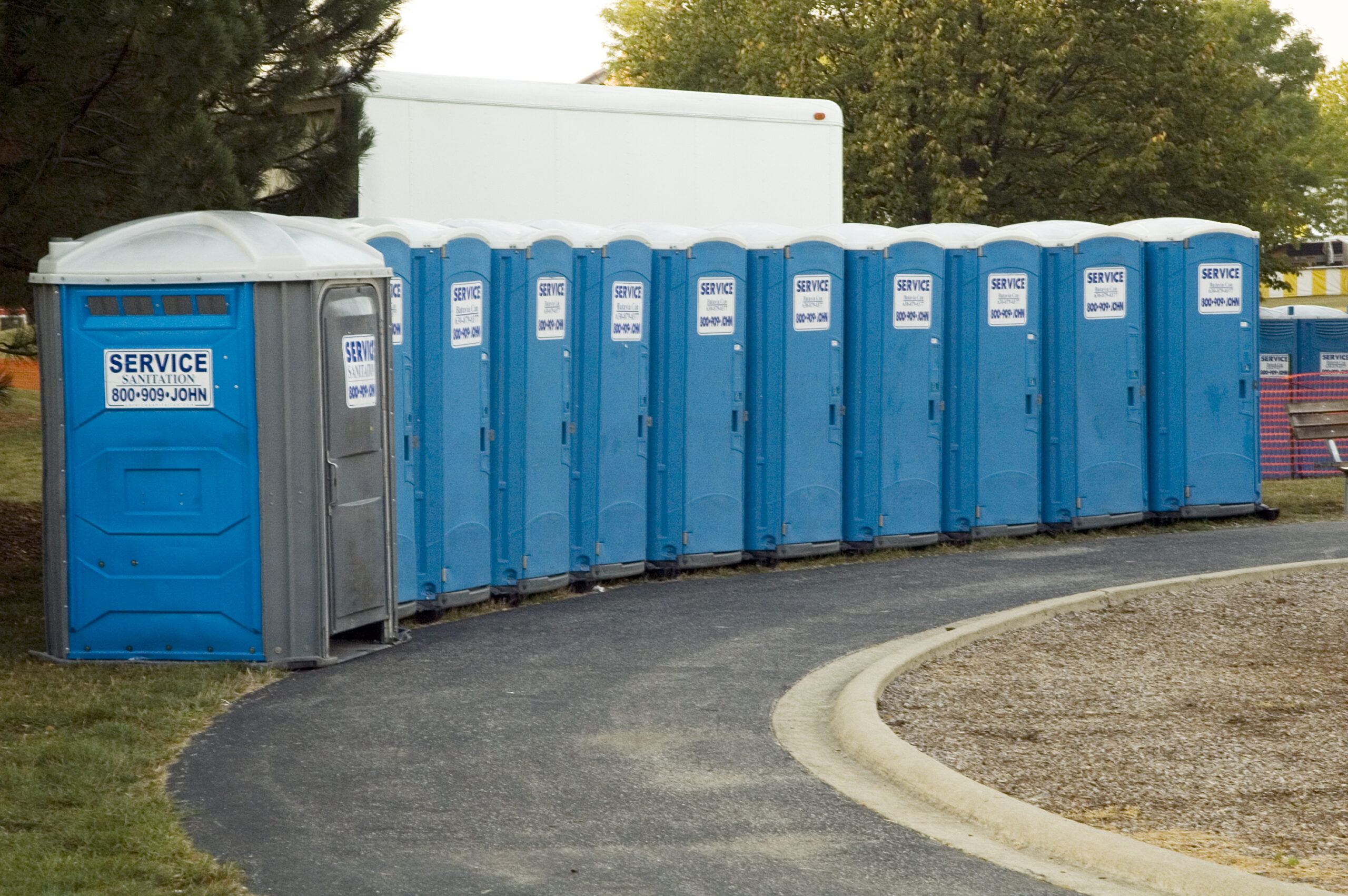
The truth is, portable toilets for construction sites are no longer just a basic requirement—they’re part of how a site functions day to day. When they’re done right, nobody thinks twice about them. When they’re not, everyone notices.
Let’s break down how poor planning shows up, why it impacts performance more than expected, and what you can do to fix it early.
The Small Detail That Affects the Entire Day
Think about how often workers need to step away during a shift. Now imagine that the nearest restroom is too far, poorly maintained, or overcrowded.
That turns a quick break into a time-consuming task. Multiply that across an entire crew, every day, and you start to see the bigger picture.
This is where jobsite restroom planning becomes more important than most contractors realize. It’s not just about placing units—it’s about understanding how people move, work, and take breaks throughout the day. When that’s overlooked, the impact builds up slowly but consistently.
What Poor Restroom Planning Actually Looks Like
A lot of issues don’t show up immediately. They develop over time as the project progresses.
Here are some common signs that restroom planning wasn’t handled properly:
- Units are too far from active work areas
- Not enough restrooms for the size of the crew
- Long wait times during peak hours
- Poor maintenance or lack of supplies
- Complaints from workers that keep repeating
At first, these might seem like minor inconveniences. But over time, they start affecting how efficiently people can work.
The Hidden Impact on Productivity
When restrooms aren’t easily accessible or well maintained, crews have to adjust.
That might mean:
- Walking longer distances multiple times a day
- Waiting in line during busy periods
- Leaving the site to find alternatives
- Taking longer breaks than necessary
None of this shows up on a report—but it definitely shows up in lost time. And in a fast-paced environment, those extra minutes add up quickly.
It’s Not Just About Convenience—It’s About Flow
Construction is all about momentum. Once work gets going, interruptions can slow everything down. Poor restroom access creates small breaks in that flow. Workers step away longer, tasks take more time, and coordination becomes slightly less efficient.
Individually, it doesn’t seem like much. Collectively, it affects the entire rhythm of the jobsite.
Long-Term Projects Make the Problem Worse
On shorter jobs, you might get away with a basic setup. But on longer builds, things change.
Crew sizes increase. Work zones shift. Usage goes up. And what worked at the beginning starts to fall short. That’s why sanitation for extended projects requires a different approach. It’s not just about starting strong—it’s about staying consistent as the project evolves. Without adjustments, conditions tend to decline over time.
Hygiene Matters More Than You Think
Let’s not ignore the obvious—cleanliness matters. A poorly maintained restroom isn’t just inconvenient, it’s something workers actively try to avoid. And when that happens, it creates even more disruption.
This is where construction site hygiene plays a bigger role than most people expect.
Clean, functional facilities help:
- Maintain basic health standards
- Improve worker comfort
- Reduce complaints
- Create a more professional environment
It also sends a message: this site is being managed properly.
The Role of Consistent Service
Even a well-placed restroom setup can fall apart without proper maintenance.
Usage on a jobsite is constant. Without regular servicing, units can quickly become:
- Unsanitary
- Low on supplies
- Unpleasant to use
That’s where a solid restroom service schedule makes all the difference.
Consistency is key. When servicing is handled regularly and adjusted based on actual usage, the entire system works better. When it’s not, problems build up fast.

Common Mistakes Contractors Still Make
Even experienced teams sometimes overlook these details. Not because they don’t care, but because attention is focused elsewhere.
Here are a few common mistakes:
- Underestimating how many units are needed
- Placing restrooms based on convenience, not workflow
- Failing to adjust as the project grows
- Keeping the same service frequency throughout the entire build
- Waiting for complaints instead of preventing them
These issues are easy to fix—but only if they’re recognized early.
What Better Planning Looks Like in Practice
A well-planned setup doesn’t have to be complicated. It just needs to be intentional.
Start with Realistic Crew Estimates
Know how many people will be on site—not just at the start, but during peak phases. This helps determine how many units are actually needed.
Think About Placement Strategically
Restrooms should be:
- Close enough to reduce downtime
- Positioned near active work zones
- Easy to access without disrupting operations
Good placement saves time without creating obstacles.
Adjust as the Project Evolves
As work progresses, your setup should evolve too. Relocate units if needed. Add more during busy phases. Stay flexible.
Keep Service Consistent
Regular maintenance isn’t optional—it’s essential. A consistent schedule keeps conditions stable and prevents issues from building up.
Quick Improvements You Can Make Right Now
If your current setup isn’t working as well as it should, here are a few simple changes that can help:
- Move units closer to high-activity areas
- Increase service frequency
- Add additional units during peak periods
- Check conditions regularly instead of waiting for feedback
- Communicate with your crew about any adjustments
Small changes can have a noticeable impact.
Why This Matters More in 2026
The construction industry is evolving. There’s more focus on efficiency, worker satisfaction, and overall site conditions than ever before. Contractors who pay attention to these details are seeing better results—not just in productivity, but in team performance and project flow.
Restroom planning might not be the first thing that comes to mind, but it plays a bigger role than most people expect.
The Value of the Right Support
Having the right support team makes all of this easier. With a partner like IVAN’S SITE SERVICES, restroom planning isn’t left to guesswork. It’s handled with a clear understanding of how jobsites actually operate.
That means:
- Better placement strategies
- Reliable servicing
- Adjustments as your project changes
- Less stress for your team
And when those details are handled properly, everything else runs more smoothly.
Final Thoughts
Sometimes, it’s the things that seem small that have the biggest impact. Restroom planning is one of those details. When it’s done right, it blends into the background and supports the entire jobsite without getting in the way. When it’s done wrong, it becomes a daily frustration that affects how people work, move, and perform.
Getting it right isn’t complicated—it just requires a bit of planning, consistency, and attention to how the site actually functions. And in a fast-moving project, that can make all the difference.