For a long time, restrooms were treated like a minor detail on many jobsites. They were often handled at the last minute, checked only when there was a complaint, and viewed as one more box to tick before work began. That approach does not hold up anymore.
In 2026, contractors are dealing with longer timelines, larger crews, stricter expectations, and more attention to worker conditions than ever before. A jobsite that runs well is not just about equipment, materials, and scheduling. It is also about making sure people can work in a space that is functional, safe, and realistic for the demands of the day. That is exactly why portable toilets for construction sites have become a real planning priority instead of an afterthought.
The truth is simple: when restroom access is poor, the entire jobsite feels it. Productivity slips. Morale drops. Complaints go up. Service issues become distractions. And what could have been handled with a little foresight turns into a recurring problem that follows the crew for months.
For long-term projects especially, smarter restroom planning is not optional anymore. It is part of running a serious operation.
Why This Matters More in 2026
Construction projects are not getting simpler. Many sites now involve multiple trades working at once, rotating crews, phased deadlines, tighter compliance expectations, and more oversight from clients. On top of that, labor retention is a major issue. Contractors cannot afford to overlook the basics that shape the worker experience every single day.
Restroom access may not be the most glamorous topic in construction, but it affects daily performance more than people sometimes admit. If facilities are too far away, too few, poorly maintained, or serviced inconsistently, workers notice immediately. And once the frustration starts, it spreads fast.
A clean and dependable setup supports:
- Better crew morale
- Fewer disruptions during the workday
- More organized site logistics
- Stronger professional standards
- A safer and more respectful work environment
That is why companies that used to “just drop off a unit and hope for the best” are rethinking the whole process.
Restrooms Are Part of the Workflow, Not a Side Detail
A lot of jobsite problems happen because support services are separated from operations in people’s minds. Teams focus heavily on timelines, delivery coordination, inspections, and labor management, but forget that daily site conditions directly affect how those things play out.
Restroom access influences movement, break patterns, site layout, and worker satisfaction. It belongs in the early planning conversation, not somewhere near the bottom of a checklist.
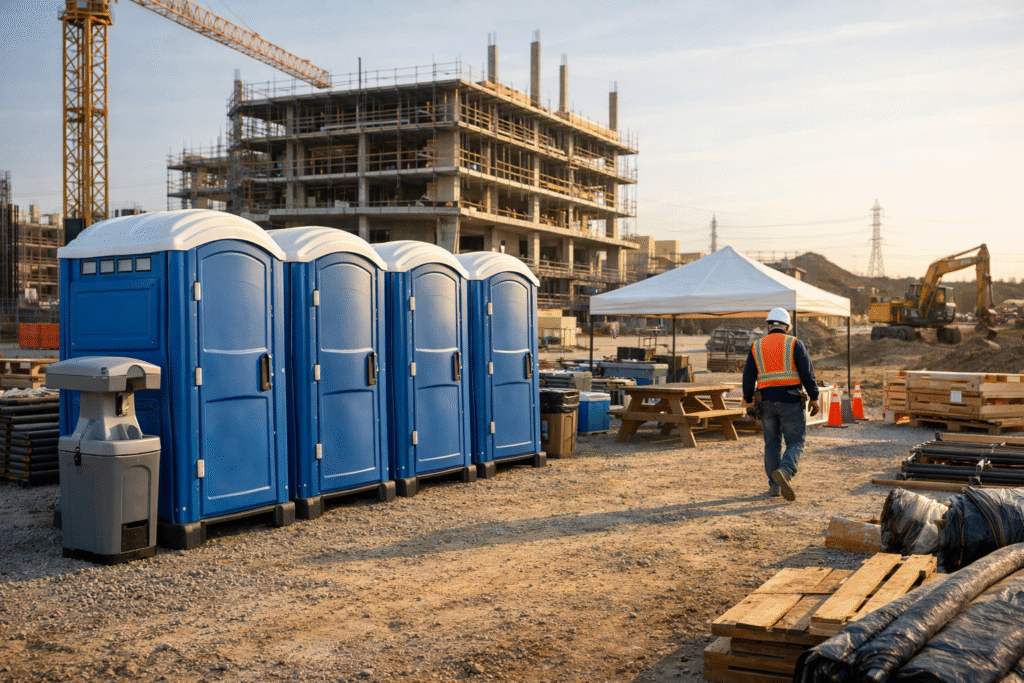
This is where jobsite restroom planning becomes a major advantage. When handled early, it helps contractors think through the actual realities of the site instead of reacting when problems start showing up.
Questions worth asking at the beginning include:
- How many workers will be on site during each phase?
- Will headcount stay steady, or increase over time?
- How spread out is the jobsite?
- Are there multiple active work zones?
- Will weather or terrain affect access?
- Is the project expected to run for several months or longer?
When those details are considered up front, restroom solutions can be matched to the real needs of the project instead of being guessed at.
Long-Term Projects Need a Different Mindset
A short project can sometimes get by with a simple setup. A long-term project cannot.
Extended builds create a completely different level of wear, demand, and logistical complexity. Units see heavier use. Crew counts change. Conditions shift. Layouts evolve as the project moves from one phase to the next. What worked in month one may no longer work in month five.
That is why sanitation for extended projects requires a more active strategy. It is not just about having enough units on day one. It is about making sure the setup still works as the project grows, changes, and puts more pressure on support systems.
On longer jobs, contractors should think beyond initial placement and ask:
- Will units need to be relocated as work zones shift?
- Are usage levels likely to increase during peak labor periods?
- Is there enough servicing built into the plan?
- Are there backup options if access becomes limited?
- Does the setup still make sense during the final phases of work?
This kind of thinking helps avoid that familiar scenario where a site starts off fine and slowly becomes frustrating because nobody adjusted the restroom plan as the project changed.
Clean Conditions Affect More Than Comfort
Sometimes people talk about restrooms as if the issue is just convenience. It goes much deeper than that.
A well-maintained restroom setup supports health, morale, and professionalism. A neglected one creates unnecessary friction in an environment that is already demanding. Construction work is physical. It is often hot, fast-paced, dirty, and exhausting. Workers need reliable facilities that are clean enough to actually use without hesitation.
That is where construction site hygiene becomes a much bigger part of the conversation. Hygiene on a jobsite is not limited to handwashing stations or visible cleanliness. It is tied to how seriously a company takes the day-to-day conditions of its workforce.
When restroom standards are poor, the impact tends to show up in several ways:
- Workers spend more time walking off-site or searching for alternatives
- Complaints increase across crews and subcontractors
- Confidence in site management starts to slip
- General cleanliness standards decline in other areas too
- The jobsite feels less organized overall
On the other hand, when facilities are kept in good condition, workers notice that too. It sends a message that the site is being run with consistency and respect.
Service Frequency Can Make or Break the Setup
One of the most common mistakes on long-term projects is assuming the original service frequency will be enough from beginning to end. That rarely holds true.
Usage patterns change. Crew size changes. Seasonal conditions change. Rain, heat, mud, and high traffic can all affect how quickly a unit needs attention. A setup that looks fine on paper can fall apart quickly if servicing does not keep pace with real-world demand.
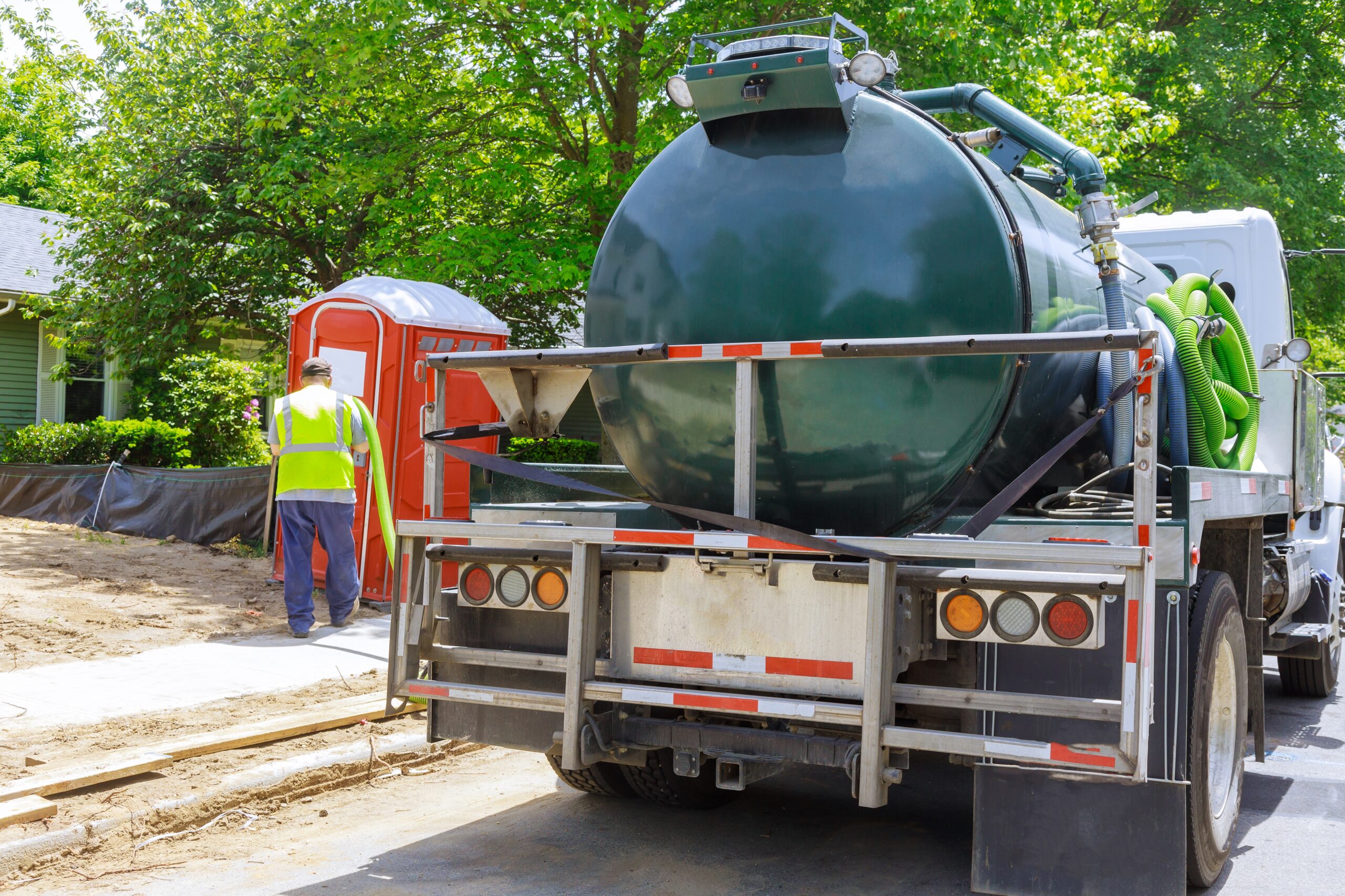
That is why a dependable restroom service schedule matters so much. Without it, even a decent restroom setup can become a source of frustration. With it, the site stays more predictable, cleaner, and easier to manage.
A smarter service approach usually includes:
- Regular maintenance based on actual crew volume
- Flexibility during labor-heavy phases
- Fast response when unexpected demand increases
- Monitoring unit condition before complaints build up
- Adjustments as the project timeline evolves
The best service plans are not static. They respond to the way the project is actually unfolding.
Common Mistakes Contractors Still Make
Even experienced teams sometimes underestimate restroom logistics. Not because they do not care, but because these issues are easy to push aside when there are bigger pressures on the board. Still, the same problems tend to show up again and again.
Here are a few common mistakes:
- Ordering too few units for the size of the crew
- Placing units too far from active work areas
- Forgetting to increase service during peak project phases
- Leaving restroom decisions to the last minute
- Failing to reevaluate the setup as the site changes
- Treating complaints as isolated issues instead of system problems
These are not small details. Over time, they affect efficiency, worker satisfaction, and overall site performance.
What Smarter Planning Looks Like in Practice
A strong restroom strategy is not complicated, but it does require intention.
It usually starts with understanding the jobsite as a living environment rather than a static layout. The site will shift. Crew density will shift. Priorities will shift. Support services should be built to shift with them.
A smarter approach often includes:
- Reviewing expected crew count by project phase
- Mapping restroom access based on work zones
- Coordinating placement with traffic flow and equipment movement
- Scheduling service based on realistic use, not minimum assumptions
- Checking conditions regularly instead of waiting for complaints
- Working with a provider who can adapt as site needs change
That kind of planning helps prevent disruptions before they start. It also creates a more professional environment for everyone on site, from the general contractor to subcontractors to visiting inspectors or clients.
Why It Reflects on the Entire Project
People notice the basics. They notice whether a site feels organized. They notice whether support systems are working. They notice whether the project is being managed proactively or reactively.
Restroom conditions may seem like a small piece of the operation, but they shape how the site is experienced every day. They affect the crew directly, and they also reflect on the contractor’s standards. A poorly maintained setup can make a jobsite feel neglected, even if the build itself is moving forward. A clean, well-managed setup does the opposite. It reinforces the idea that the project is under control.
That matters for morale, for client impressions, and for long-term reputation.
Why the Best Contractors Are Paying Attention Now
The companies that are improving site conditions in 2026 are not doing it just to be nice. They are doing it because it makes operational sense.
Better planning around restrooms helps reduce distractions, supports worker retention, improves day-to-day site flow, and keeps small issues from becoming ongoing headaches. It is one of those behind-the-scenes decisions that has a much bigger impact than it gets credit for.
And on long-duration jobs, that impact compounds over time.
The longer the project runs, the more valuable it becomes to get these details right early instead of constantly fixing preventable problems later.
Final Thoughts
Long-term construction projects demand more than materials, manpower, and deadlines. They also require practical systems that support the people doing the work every day.
When restroom access is planned properly, serviced consistently, and adjusted as the job evolves, the entire site operates better. The crew feels the difference. Management feels the difference. And the project runs with fewer unnecessary disruptions.
In the end, smarter site support is not about overcomplicating things. It is about recognizing that the basics matter. When those basics are handled well, everything else has a better chance of staying on track.