There’s a moment in almost every project where things start to feel… heavier. Not structurally—but operationally. Materials are everywhere, debris starts piling up, crews are moving a bit slower, and suddenly the site doesn’t feel as efficient as it did in the beginning.
That moment usually has one root cause: cleanup was never treated as part of the process—only as the final step.
In 2026, that mindset is costing contractors more than they expect. Because construction cleanup isn’t just about how a project ends—it directly affects how it runs in the middle.
Let’s talk about the strategy most teams overlook, why it matters so much, and how to fix it before it starts affecting your timeline and budget.
The Mid-Project Phase: Where Things Start Slipping
At the beginning of a project, everything feels organized. There’s space, structure, and a clear flow. But as work progresses, that changes. More trades come in. Materials move around. Waste builds up gradually. And without a system in place, things start to stack up—literally.
This is where many teams run into trouble. Not because they’re doing anything wrong, but because they didn’t plan for what happens between the start and the finish.
That gap is where small inefficiencies begin to grow.
Why Waiting Until the End Doesn’t Work Anymore
There was a time when leaving cleanup for the final phase didn’t create major issues. Projects were simpler, timelines were more flexible, and expectations were different. That’s no longer the case. Today’s jobsites are tighter, faster, and more regulated. Letting debris accumulate mid-project creates friction that impacts everything else.
Here’s what tends to happen when cleanup is delayed:
- Crews lose time navigating cluttered areas
- Materials get mixed with waste
- Safety risks increase
- Equipment access becomes more complicated
- Productivity slowly drops without being obvious
And eventually, all of that leads to one thing: construction cleanup delays that affect your entire schedule.
The Real Problem: Lack of Planning
Most cleanup issues don’t come from neglect—they come from lack of structure. When there’s no clear system in place, teams improvise. And while that might work temporarily, it rarely holds up as the project grows.
This is where contractor waste planning becomes critical.
Without it, you’ll likely run into:
- Overflowing debris zones
- Unclear disposal responsibilities
- Inconsistent removal schedules
- Confusion between trades
Planning doesn’t mean overcomplicating things—it means thinking ahead just enough to avoid unnecessary problems later.
Common Mid-Project Mistakes Contractors Make
Let’s break down a few patterns that show up again and again on jobsites.
1. Ignoring Early Warning Signs
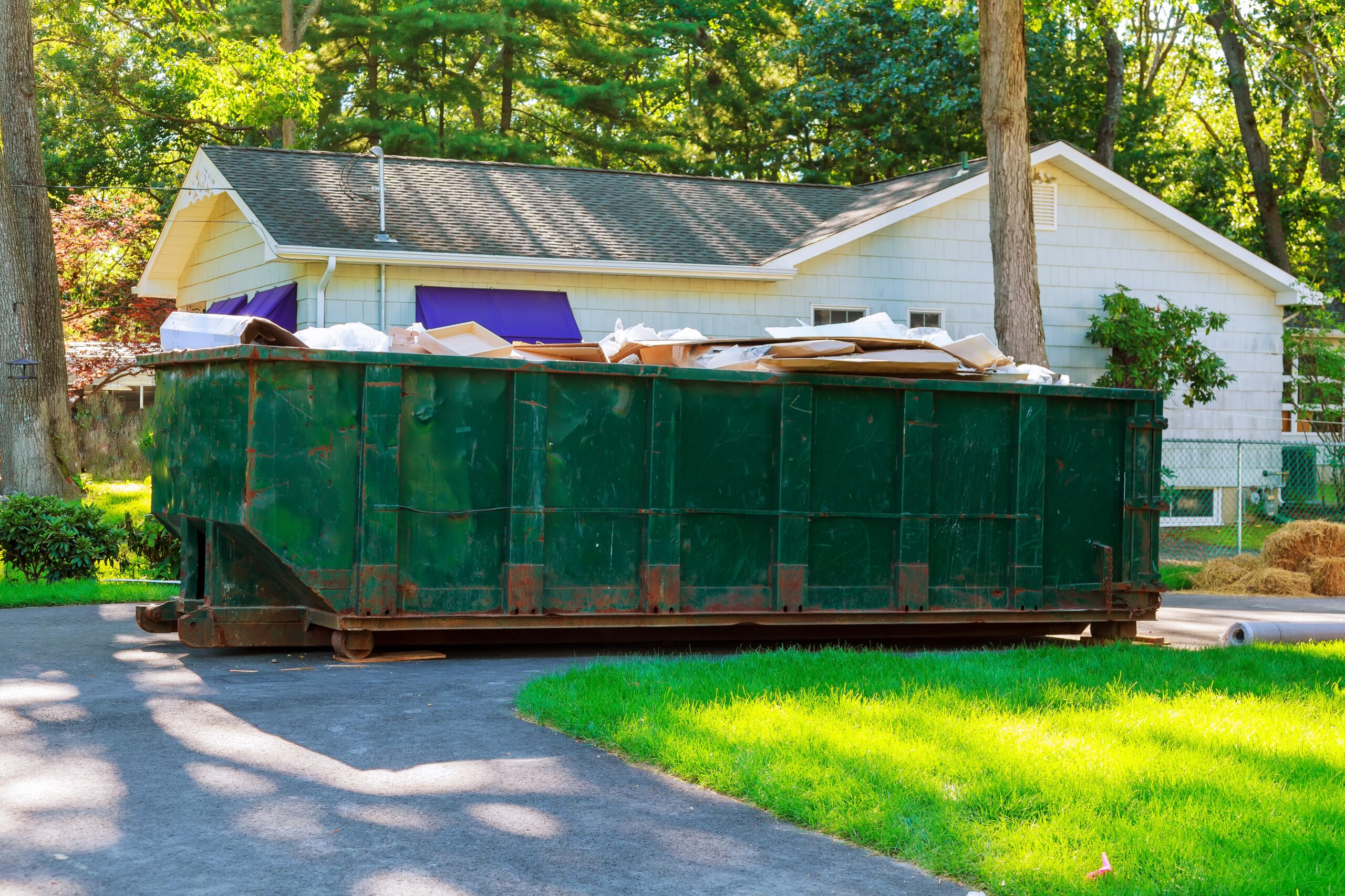
A little debris here, a slightly full dumpster there—it doesn’t seem urgent. But those are early indicators. Left unchecked, they turn into bigger issues that disrupt workflow and create unnecessary stress.
These are classic jobsite waste management errors—small oversights that quietly build into larger problems.
2. Relying on Inconsistent Removal
When debris removal isn’t scheduled properly, it becomes reactive.
Crews wait until things are “bad enough” before taking action. By that point, cleanup takes longer and costs more.
This leads to inefficient debris removal, where waste is handled multiple times or moved around instead of being cleared out effectively.
3. Underestimating the Impact on Productivity
Clutter doesn’t just affect how a site looks—it affects how it performs.
Workers spend extra time:
- Walking around obstacles
- Moving materials out of the way
- Looking for space to work
It may not seem like much in the moment, but over days and weeks, it adds up.
4. Forgetting About Compliance
As debris builds up, so do risks—especially when it comes to regulations. Improper handling or disposal can lead to penalties that could have been easily prevented with better planning.
Mid-project is often where teams lose track of compliance, increasing the risk of needing to avoid cleanup fines later.

What a Strong Mid-Project Cleanup Strategy Looks Like
The good news? Fixing this doesn’t require a major overhaul. It just requires a shift in how cleanup is approached.
Make Cleanup Part of the Daily Routine
Instead of treating cleanup as a separate phase, integrate it into everyday operations.
This can include:
- End-of-day cleanup expectations
- Keeping walkways clear at all times
- Immediate disposal of excess materials
- Quick response to overflow issues
Small, consistent actions prevent larger problems.
Set Clear Zones and Responsibilities
Define where waste goes and who is responsible for managing it.
When everyone understands the system, there’s less confusion and fewer delays.
Schedule Regular Debris Removal
Don’t wait until it becomes urgent. Set a consistent schedule that matches the pace of your project. This keeps things under control and avoids buildup.
Adjust as the Project Evolves
What works in the early stages won’t always work later. As your site changes, your cleanup strategy should adapt with it.
Quick Wins You Can Apply Right Away
If your project is already underway, here are a few simple changes that can make a noticeable difference:
- Walk the site and identify cluttered areas
- Clear out high-traffic zones first
- Increase removal frequency if needed
- Communicate expectations clearly with your crew
- Reevaluate your current waste setup
These steps don’t require extra resources—just better coordination.
Why This Matters More Than Ever
In today’s construction environment, efficiency is everything. Timelines are tighter. Budgets are more controlled. Expectations are higher. That means even small inefficiencies can have a bigger impact than they used to.
Mid-project cleanup is one of those areas that often gets overlooked—but it plays a huge role in how smoothly everything runs. When it’s handled well, the site feels more organized, crews work more efficiently, and progress stays consistent. When it’s ignored, problems build up quietly until they can’t be ignored anymore.
The Role of the Right Support Team
Sometimes, the difference between a smooth project and a frustrating one comes down to having the right support in place.
Working with a team like IVAN’S SITE SERVICES helps ensure that cleanup isn’t left to chance.
With the right approach, you can:
- Stay ahead of debris buildup
- Maintain consistent removal schedules
- Keep your site organized throughout the project
- Reduce stress on your crew
Having that kind of support allows you to focus on the work that really matters.
Final Thoughts
Every project has a midpoint where things either stay under control—or start slipping. The difference usually comes down to how cleanup is handled.
It’s not about doing more work. It’s about doing things at the right time, in the right way, before they turn into bigger issues. When cleanup becomes part of the process instead of an afterthought, everything else starts to run more smoothly. And in construction, that kind of consistency makes all the difference.