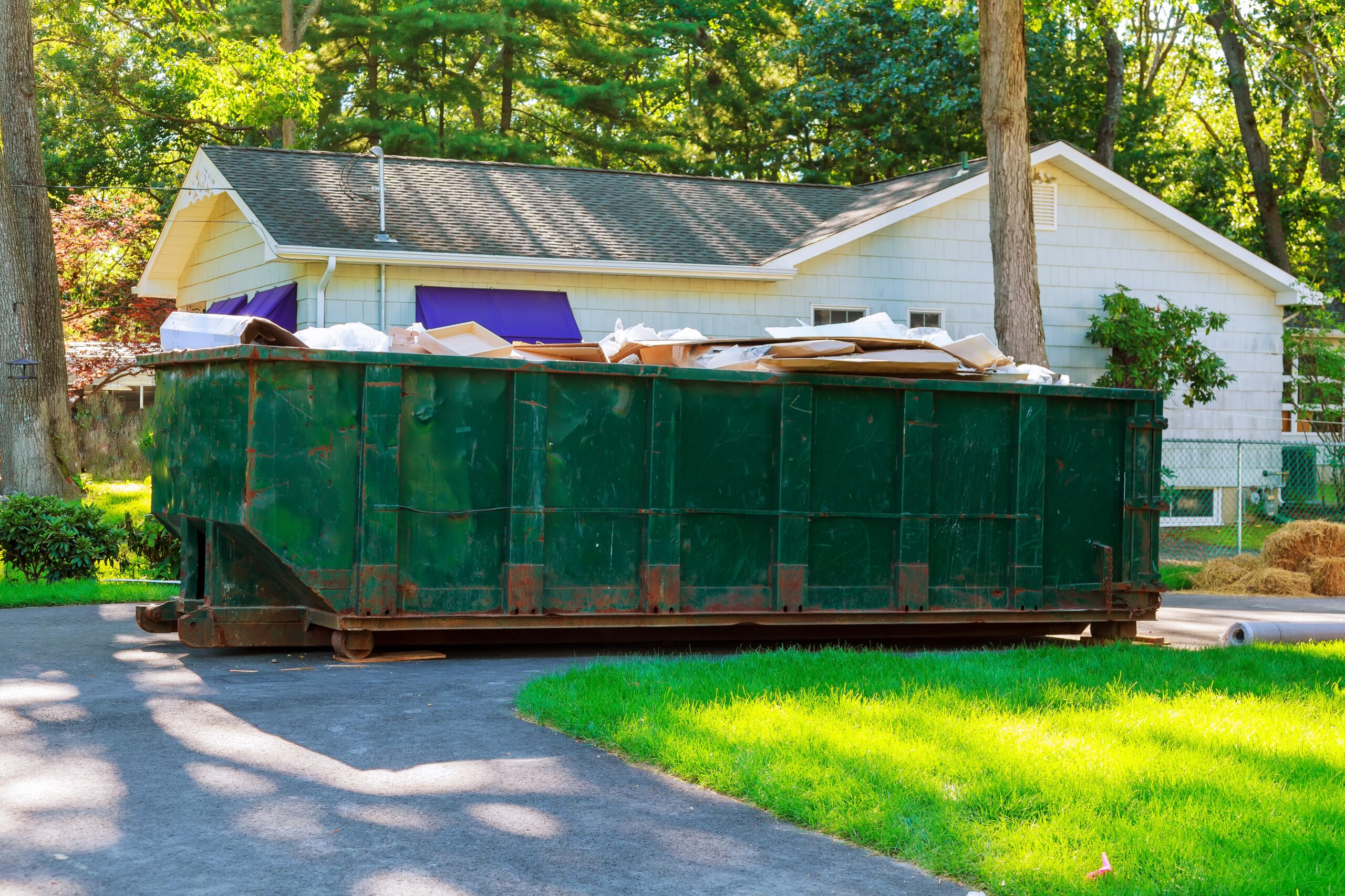
You can tell a lot about a project just by looking at the conditions, not just the tools, materials, and progress. Not only whether things are being built, but also how it feels to work in the area. That matters more than ever in 2026.
For a long time, keeping jobsites clean and sanitary was not a top priority. Everything else was “good enough” as long as the work got done. That way of thinking is going away fast. Sanitation services are no longer seen as optional help; they are now a key part of safety, efficiency, and overall site performance.
And to be honest, it makes sense. The environment around crews has a direct effect on how well they work when they are working long hours in tough conditions.
Let’s talk about why this change is happening and what it means for contractors in the future.
How Cleanliness and Safety Are Related
People often think of cleanliness as a comfort issue, but it’s really more about safety.
A site that is messy and not well-kept causes more than just problems. It makes things more dangerous, slows down movement, and makes it harder for crews to focus on the task at hand.
A clean job site, on the other hand, helps:
- Walkways that are clear and fewer things that could trip you up
- More organization and better visibility
- Tools and materials are easier to get to
- Faster response time in case of an emergency
- A more stable and controlled environment
How clean a site is sets the tone for how it works. People tend to work better and be more aware when things are in order.
Why Cleanliness Is Now a Requirement and Not a Bonus
The way things are built has changed. All over, projects are bigger, deadlines are shorter, and expectations are higher. Clients, inspectors, and crews all expect more professionalism now than they did ten years ago. That’s when jobsite sanitation comes into play.
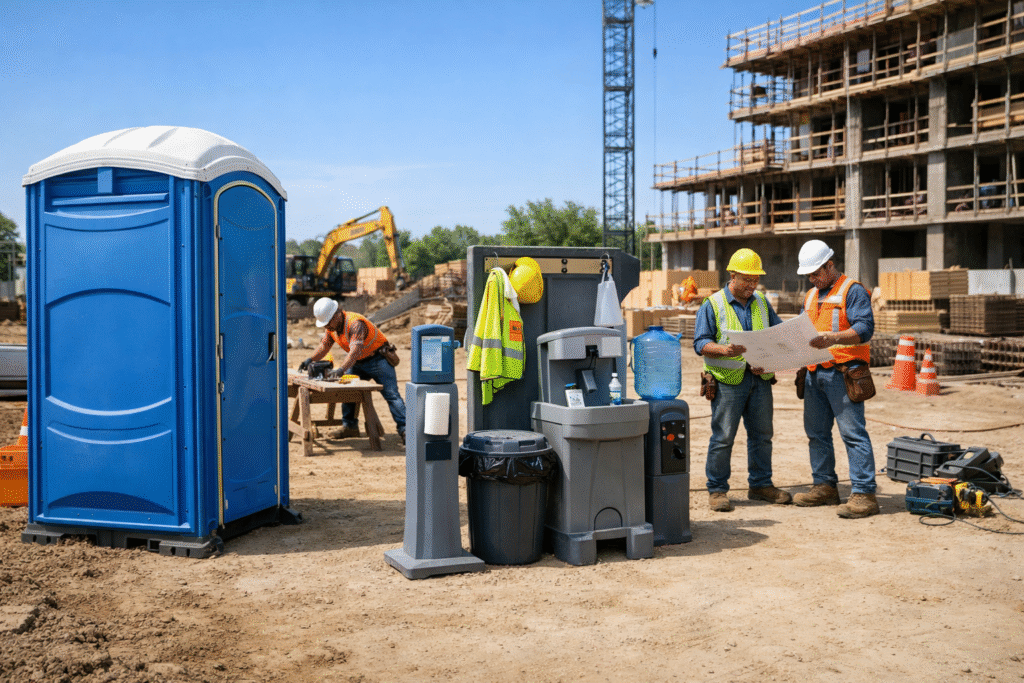
Having a few restrooms on site is no longer enough. It’s about keeping the whole project clean and usable at all times.
This includes:
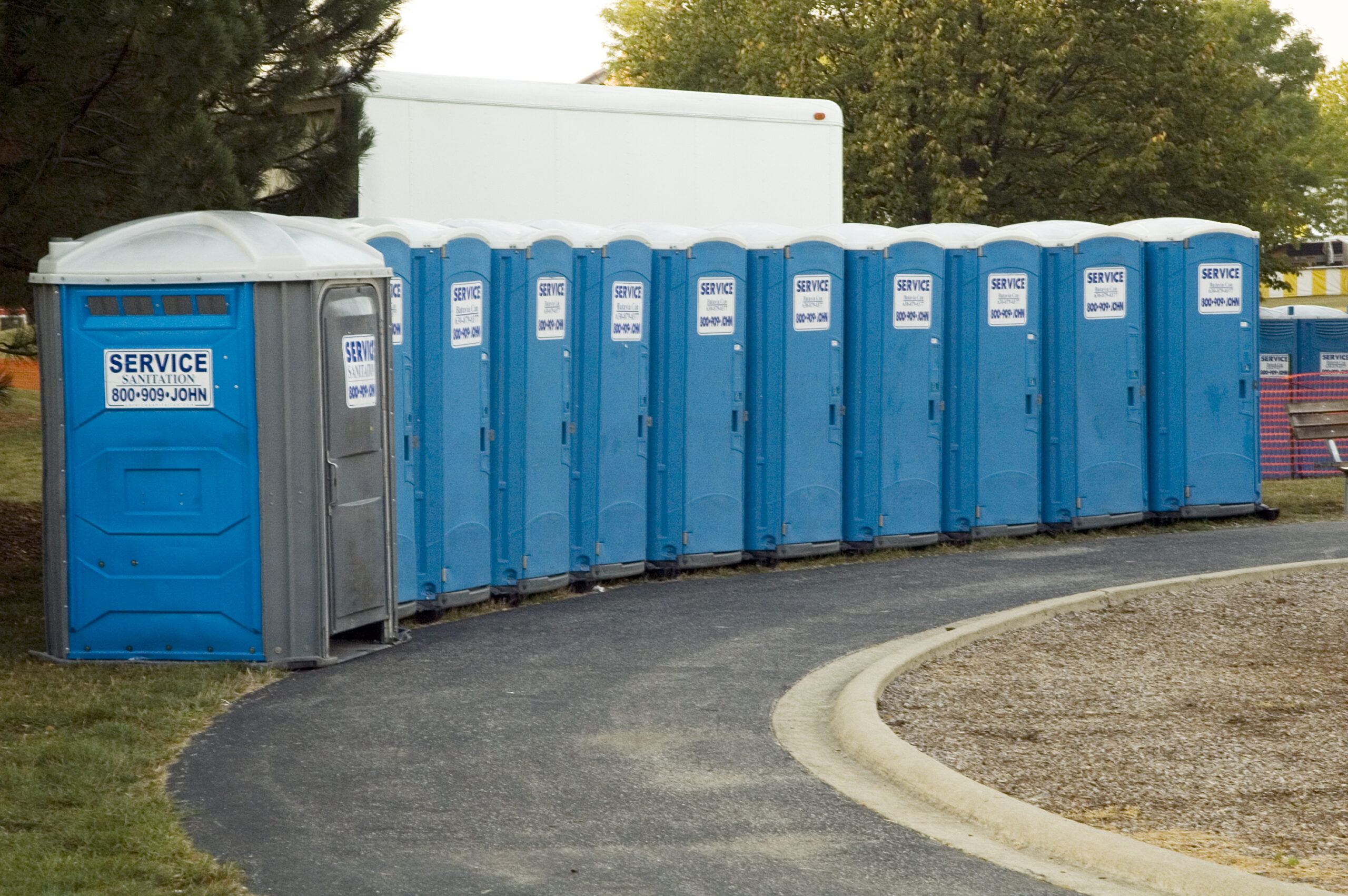
- Availability and condition of restrooms
- Places to wash your hands
- Holding and getting rid of trash
- Keeping work areas clean in general
The site runs more smoothly when these things are taken care of. Things go wrong quickly when they aren’t.
How Worker Hygiene Affects Daily Performance
Let’s be honest: building things is hard work. It’s physical, messy, and sometimes hard to predict. Crews have to deal with dust, trash, heat, and long hours. That’s why it’s so important for workers to stay clean.
When workers have clean, working bathrooms, they can:
- Take breaks the right way without getting mad
- Keep things clean all day long
- Be more comfortable during long shifts
- Get better at focusing on their work
It may seem like a small thing, but it affects morale and productivity directly.
Poor hygiene, on the other hand, can cause:
- More complaints
- Less effective
- Less overall job satisfaction
- More things to do during the workday
In a job market where there are a lot of people looking for work, these things are more important than ever. Expectations and compliance are higher.
Another reason sanitation is getting more attention? Rules.
The Occupational Safety and Health Administration (OSHA) and other groups have clear rules about how clean and safe workplaces should be. Not every detail is strictly followed at every site, but the general idea is clear: clean, safe, and functional spaces are the norm. This means that contractors need to go beyond the bare minimum and make sure that things are always the same. Following OSHA rules isn’t just about avoiding problems; it’s also about showing that your business is professional and well-run.
Where Many Workplaces Still Fall Short
Even with all this progress, there are still common problems that happen on a lot of projects. Let’s talk about some of them.
1. Not keeping up with maintenance
Some sites start out strong but then lose their strength over time. Units don’t get serviced as often as they should, supplies run out, and things get worse over time.
One of the biggest problems with worker sanitation today is that it is not consistent.
2. Not thinking about how many people are on the crew
Not making sanitation setups big enough for the number of people is another common problem.
More workers means more work. Things get worse quickly if the number of units or service frequency doesn’t match demand.
3. Bad placement
The place is important. If restrooms or sanitation stations are too far away from where people are working, they are less likely to use them regularly.
That makes people move around more than they need to and wastes time all day.
4. Setting up sanitation as a one-time thing
You can’t just set it and forget it when it comes to sanitation.
Your approach should change as the project does. Layouts change, work zones move, and the number of workers changes.
If you don’t pay attention to those changes, your setups will become old and no longer work well for the site.
How to Do Good Sanitation in Real Life
So what does a sanitation system that is well-managed look like?
It’s not hard, but it is planned. It’s planned from the beginning. You should plan for sanitation from the start, not add it later.
This includes:
- Figuring out how many units to get
- Planning placement based on work areas
- Setting up service schedules
- Looking ahead to changes that will happen
- It’s kept up all the time
Regular service is important.
A portable sanitation setup that works well includes:
- Cleaning and restocking on a schedule
- Keeping an eye on usage levels
- Changing how often services are needed
- Taking care of problems before they turn into complaints
The system works because it is consistent. It helps the whole crew. Everyone on site should be able to use the sanitation, not just some of the team.
That means:
- Places that are easy to get to
- Enough units for the biggest crew sizes
- Always clean and usable
The crew does a better job when the system helps them.
How better sanitation affects business
It may seem like sanitation costs money, but it’s really an investment.
Here are some things that better sanitation can do:
- More work done by all crews
- Less time lost because of disorganization
- Lower chance of problems with compliance
- Better job satisfaction and retention of workers
- Better performance of the whole site
And let’s not forget how things look.
People who work with you, clients, and inspectors all notice how well you take care of your site. A tidy, clean space is good for business as a whole.
Fast Ways to Make Your Jobsite Better Right Now
Start here if you want to improve your sanitation setup without overthinking it:
Be honest with yourself about your current setup.
If you need to, increase the frequency of service.
Move units closer to where work is going on
Add more stations during busy times.
Tell your crew what you expect from them.
Work with a provider who can change as your project does.
Little changes can have a big effect.
Why This Change Is Here to Stay
The industry is moving toward higher standards, and sanitation is a part of that change.
Contractors who put site conditions first are seeing the benefits right away:
- Operations that go more smoothly
- Crew members are happier
- Less trouble
- Better results for the project
This isn’t just a passing fad. It’s becoming the new normal.
Last Thoughts
In the end, construction is as much about people as it is about building. Everything else falls into place when the environment is good for the crew. Things go more smoothly at work. It’s easier to deal with problems. The whole project seems to be going more smoothly and in a more controlled way. It might not seem like the most fun part of the job to pay attention to site conditions, but it is one of the most important. And in a world where every little thing matters, that’s something you should get right.