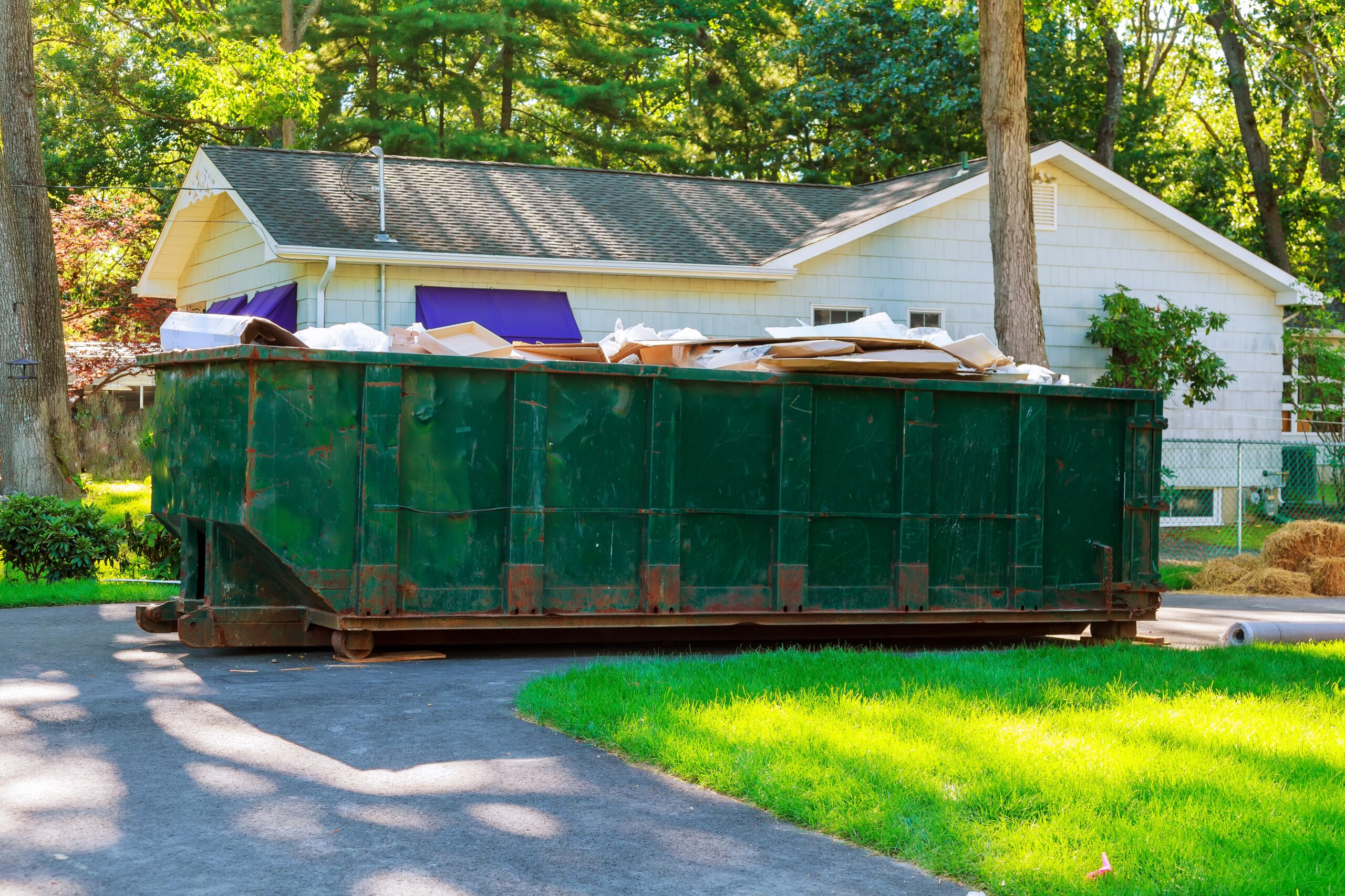
Renting a roll-off dumpster is one of the easiest ways to manage waste during home renovations, construction projects, cleanouts, and landscaping work. However, not everything can be tossed into a dumpster. Knowing what is accepted—and what is prohibited—can help you avoid additional fees, delays, and environmental issues.
Before loading your dumpster, it’s important to understand the types of materials that can typically be disposed of and which items require special handling.
Why Dumpster Restrictions Exist
Dumpster rental companies follow local, state, and federal disposal regulations. Certain materials can pose risks to public health, sanitation workers, or the environment if they are placed in a landfill.
Following disposal guidelines helps:
- Protect the environment.
- Prevent contamination.
- Keep waste disposal facilities operating safely.
- Avoid additional disposal charges.
- Ensure compliance with local regulations.
If you’re unsure about a specific item, it’s always best to ask your dumpster rental provider before disposing of it.
What You Can Throw Away in a Roll-Off Dumpster
Most non-hazardous household, construction, and demolition debris can be placed in a roll-off dumpster.
Construction and Remodeling Debris
Roll-off dumpsters are commonly used for construction waste, including:
- Drywall
- Lumber
- Flooring
- Cabinets
- Doors
- Windows
- Roofing shingles
- Insulation
- Trim and molding
These materials are ideal for renovation and demolition projects.
Household Junk
Many household items are also acceptable, such as:
- Furniture
- Mattresses (where permitted)
- Toys
- Clothing
- Household decorations
- Shelving
- Non-electronic appliances (depending on local regulations)
Dumpsters are an excellent solution for garage, attic, basement, and estate cleanouts.
Yard Waste
Depending on local disposal rules, you can usually dispose of:
- Tree branches
- Leaves
- Grass clippings
- Bushes
- Small logs
- Garden debris
Some areas require yard waste to be separated from construction debris, so it’s worth confirming before loading.
General Construction Site Waste
Common job site debris often includes:
- Packaging materials
- Scrap wood
- Plastic sheeting
- Cardboard
- Non-contaminated construction waste
Keeping these materials contained helps maintain a safer and more organized worksite.
Items That Typically Cannot Go in a Roll-Off Dumpster
Certain materials require specialized disposal methods and should never be placed inside a standard dumpster.
Hazardous Chemicals
These materials can contaminate soil and groundwater and should always be taken to approved disposal facilities.
Examples include:
- Paints
- Solvents
- Pesticides
- Herbicides
- Cleaning chemicals
- Automotive fluids
Batteries
Household and vehicle batteries contain hazardous materials that require recycling.
This includes:
- Car batteries
- Rechargeable batteries
- Lithium-ion batteries
Tires
Tires are generally prohibited because they require specialized recycling processes.
This applies to:
- Car tires
- Truck tires
- Motorcycle tires
- ATV tires
Electronics
Many electronic devices contain components that should be recycled instead of sent to landfills.
Examples include:
- Televisions
- Computers
- Monitors
- Printers
- Cell phones
Local electronic recycling programs are often available for these items.
Appliances Containing Refrigerants
Appliances with refrigerants require proper removal before disposal.
Examples include:
- Refrigerators
- Freezers
- Air conditioners
- Dehumidifiers
These appliances often require special handling to comply with environmental regulations.
Propane Tanks
Pressurized containers can create safety hazards during transportation and disposal.
Do not place items such as:
- Propane tanks
- Gas cylinders
- Fire extinguishers
inside your dumpster unless specifically approved.
Asbestos and Other Hazardous Building Materials
Older buildings may contain hazardous materials that require licensed removal professionals.
Examples include:
- Asbestos
- Contaminated insulation
- Certain industrial materials
Never dispose of these materials in a standard roll-off dumpster.
What About Concrete, Dirt, and Brick?
Heavy materials like:
- Concrete
- Brick
- Asphalt
- Dirt
- Gravel
are often accepted but may require a dedicated dumpster because of weight limitations.
These materials can quickly exceed maximum hauling weights, so it’s important to discuss your project with your rental provider before loading them.
Tips for Loading Your Dumpster Properly
To maximize space and avoid additional charges:
- Break down large furniture.
- Flatten cardboard boxes.
- Distribute heavy materials evenly.
- Keep debris below the top edge of the dumpster.
- Avoid mixing prohibited materials with approved waste.
Proper loading also makes transportation safer.
When You’re Unsure, Ask First
Disposal regulations can vary depending on your location and the type of landfill or recycling facility used. If you’re uncertain whether an item is allowed, contact your dumpster rental company before placing it in the container.
A quick question can help prevent unexpected fees or the need to remove prohibited materials later.
Choose a Dumpster Rental Company That Can Help
An experienced dumpster rental provider can explain accepted materials, recommend the right dumpster size, and help ensure your waste is disposed of responsibly. Whether you’re cleaning out your home or managing a construction project, expert guidance makes the process much easier.
Rent a Roll-Off Dumpster with Confidence
Understanding what can and can’t be thrown away in a roll-off dumpster helps your cleanup stay safe, efficient, and compliant with local disposal regulations. At Ivan’s Site Services, we provide reliable roll-off dumpster rentals for residential, commercial, and construction projects. Our team is happy to answer your disposal questions and help you choose the right dumpster for your needs. Contact us today to schedule your rental and keep your project moving forward.