Commercial construction sites are constantly changing. Workers, contractors, equipment, deliveries, materials, and vehicles may move through the property every day, making access control an important part of job site planning.
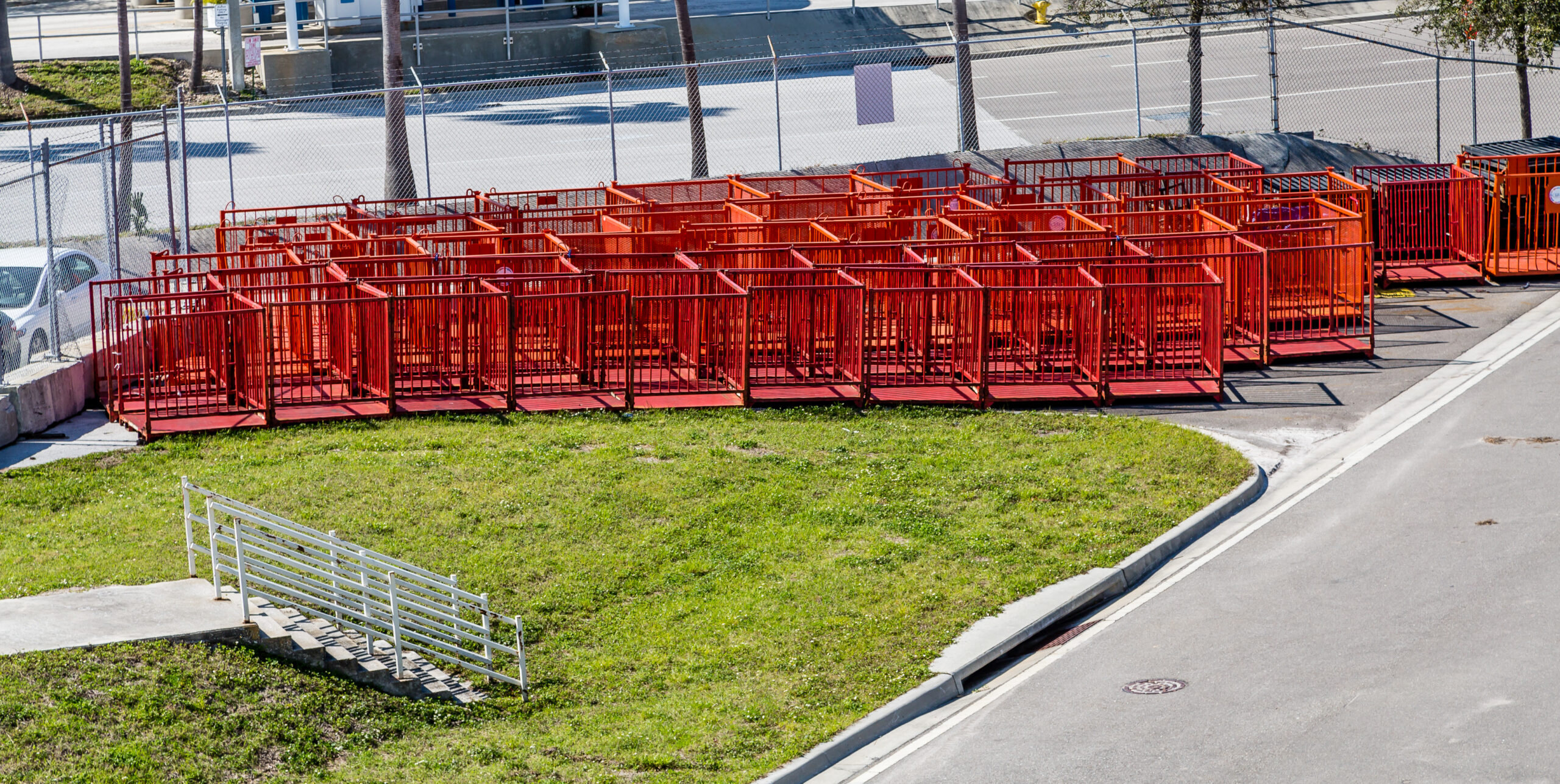
Temporary fencing for commercial construction projects provides a flexible way to establish boundaries around active work areas without installing permanent fencing. It can help define the construction perimeter, create controlled entry points, separate work zones, and limit unauthorized access to areas containing equipment or materials.
However, not every construction site has the same fencing requirements. Before arranging temporary fence rental, contractors and project managers should consider the size of the site, project duration, access requirements, terrain, and other job site conditions.
Why Use Temporary Fencing on a Commercial Construction Site?
Commercial projects often involve larger work areas and more activity than small residential jobs.
Depending on the project, a site may contain heavy equipment, building materials, dumpsters, temporary sanitation facilities, storage areas, and unfinished structures.
Temporary construction fencing can help establish a clear separation between the active job site and surrounding areas.
Common reasons for using temporary fencing include:
- Defining construction boundaries
- Managing access points
- Separating workers from public areas
- Protecting equipment and materials
- Creating designated storage areas
- Supporting job site organization
- Limiting unauthorized entry
- Separating different work zones
Because temporary fencing can be removed or repositioned as the project progresses, it can adapt to changing construction site layouts.
Determine the Construction Site Perimeter
Before renting temporary fencing, identify exactly which areas need to be enclosed.
Some projects may require fencing around the entire property, while others may only need specific work areas or equipment zones separated.
Review the construction site plan and identify areas such as:
- Active construction zones
- Material storage areas
- Equipment staging areas
- Worker entrances
- Vehicle entrances
- Dumpster locations
- Portable sanitation areas
- Delivery zones
- Public sidewalks or neighboring properties
Understanding the full perimeter can help determine the approximate amount of temporary fencing required.
Measure How Much Temporary Fencing You Need
Temporary fencing is typically planned according to the linear distance that needs to be enclosed.
Walk the site and estimate the boundaries before placing an order.
Remember that existing structures may reduce the amount of temporary fencing needed. Buildings, permanent walls, gates, and existing fences may already provide part of the job site boundary.
Accurate measurements can help prevent ordering too little fencing or paying for significantly more than the project requires.
For large commercial construction sites, providing a site plan to the temporary fence rental company may also help with planning.
Consider How Long the Project Will Last
Project duration is another important consideration.
A commercial construction project may last several weeks, months, or longer. Temporary fencing needs can change throughout different phases of construction.
For example, early site preparation may require a large perimeter around open land. Later, completed structures or permanent fencing may reduce the amount of temporary fencing required.
When arranging commercial construction fencing, consider:
- Expected project start date
- Estimated completion date
- Construction phases
- Changes to the site layout
- Permanent fencing installation
- Possible project extensions
Planning for these changes can make temporary fencing easier to manage over the life of the project.
Plan Worker and Contractor Access
A construction perimeter still needs controlled access points.
Workers, subcontractors, supervisors, inspectors, and other authorized personnel need a practical way to enter and leave the job site.
Before installation, determine where pedestrian entrances should be located.
Placing entrances strategically can help direct workers toward designated areas and reduce unnecessary movement through active construction zones.
On larger commercial projects, separate entrances may be useful for workers and vehicles.
Plan for Construction Vehicle Access
Commercial construction sites often receive frequent vehicle traffic.
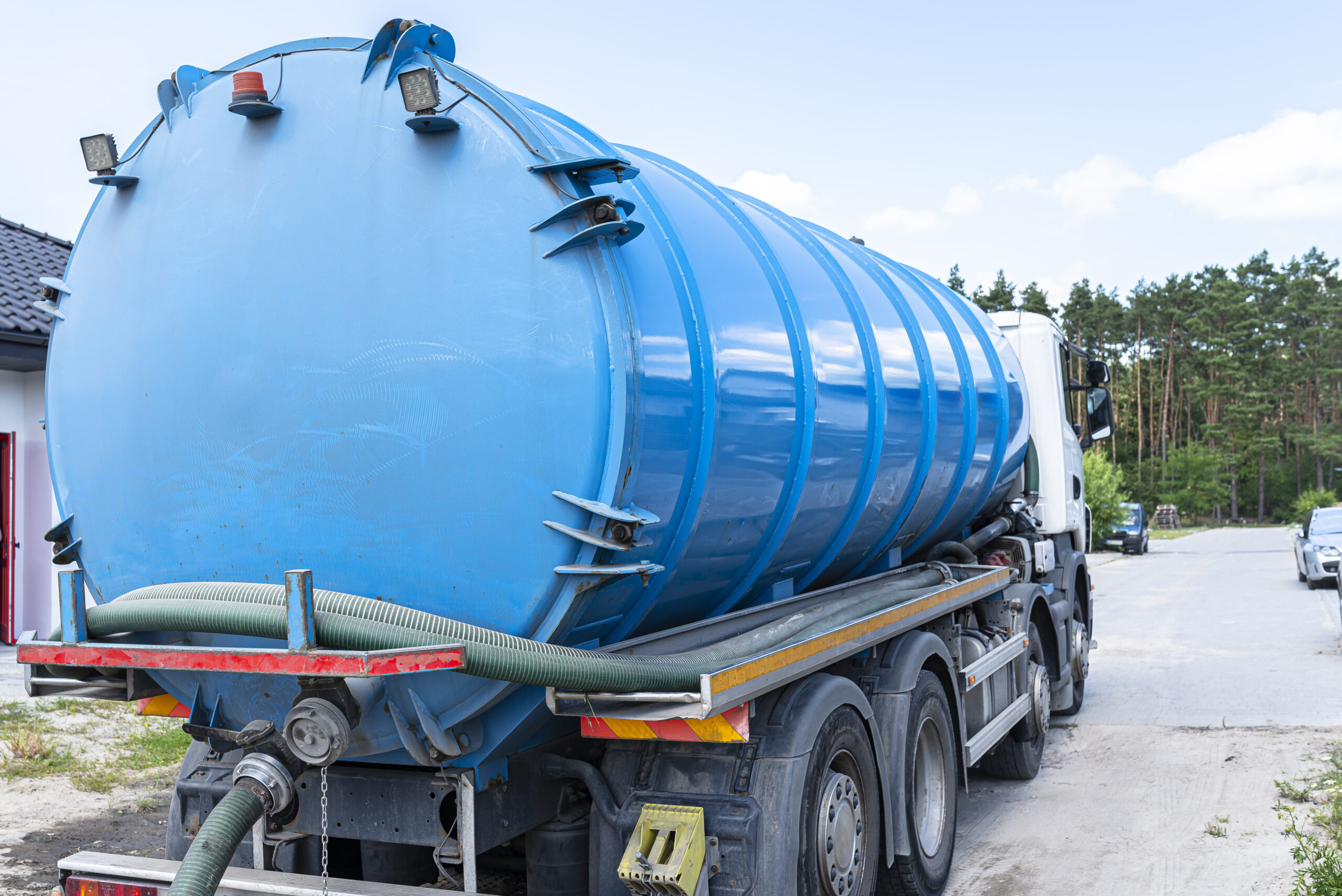
Delivery trucks, heavy equipment, waste removal vehicles, portable sanitation service trucks, and other contractors may need regular access.
Temporary fencing should account for these movements.
Consider access requirements for:
- Material deliveries
- Heavy equipment
- Roll-off dumpster delivery and pickup
- Portable toilet servicing
- Pumping services
- Emergency vehicles
- Construction crews
- Inspectors and contractors
Vehicle gates should be positioned where trucks have enough room to enter, turn, and exit without unnecessary obstacles.
Planning these access points before fence installation can prevent sections from having to be moved repeatedly.
Think About Equipment and Material Storage
Construction equipment and materials can represent a significant investment.
Temporary fencing can be used to create controlled storage areas inside the larger construction site.
These areas may contain:
- Tools
- Building materials
- Machinery
- Generators
- Fuel storage where permitted
- Electrical equipment
- Construction supplies
Separating storage areas from general site traffic can help keep the property more organized.
Some projects may use additional temporary fencing around particularly sensitive or restricted areas even when the entire construction site is already enclosed.
Consider Public Areas Around the Construction Site
Commercial construction frequently takes place near sidewalks, businesses, parking lots, roads, or occupied properties.
In these environments, establishing clear boundaries between the construction site and public areas becomes especially important.
Temporary fencing can help define where the active work zone begins and discourage pedestrians from accidentally entering the site.
Before installation, identify:
- Public sidewalks
- Pedestrian paths
- Nearby businesses
- Parking areas
- Neighboring properties
- Road access
- Customer entrances
Fence placement should account for how people normally move around the surrounding property.
Evaluate Ground and Site Conditions
Not every construction site provides a flat, paved surface.
Temporary fencing may need to be installed around dirt, gravel, concrete, slopes, or other surfaces.
Before renting temporary fencing, evaluate conditions such as:
- Uneven terrain
- Loose soil
- Slopes
- Drainage areas
- Existing structures
- Excavations
- Construction debris
- Limited access areas
These factors may affect where fencing can be positioned and how the site should be prepared before installation.
Consider El Paso Wind and Weather
Weather conditions should be considered when planning temporary fencing in El Paso.
Strong winds can place additional pressure on temporary fence panels, particularly when privacy screens, banners, signage, or other materials are attached.
If your project requires screening or signage, discuss these plans with the temporary fencing provider before installation.
Site managers should also regularly inspect fencing after severe weather or significant changes to the construction site.
Determine Whether Privacy Screening Is Needed
Some commercial construction projects may benefit from visual screening around the perimeter.
Privacy screens can help reduce visibility into active work areas and create a more defined construction boundary.
However, screening changes how wind interacts with temporary fencing.
Before adding privacy material, contractors should consider:
- Local wind conditions
- Fence stability
- Installation requirements
- Visibility requirements
- Surrounding traffic
- Project location
Discussing these factors with the rental provider can help determine an appropriate setup.
Coordinate Fencing With Roll-Off Dumpsters
Commercial construction projects frequently require roll-off dumpsters for construction debris.
Dumpster placement should be considered when planning the temporary fencing layout.
The container needs to remain accessible for:
- Initial delivery
- Regular loading
- Dumpster swaps
- Final pickup
If fencing blocks access, sections may need to be removed each time a service truck arrives.
Planning a vehicle gate near the waste collection area can make construction waste management more efficient.
Coordinate Fencing With Portable Sanitation
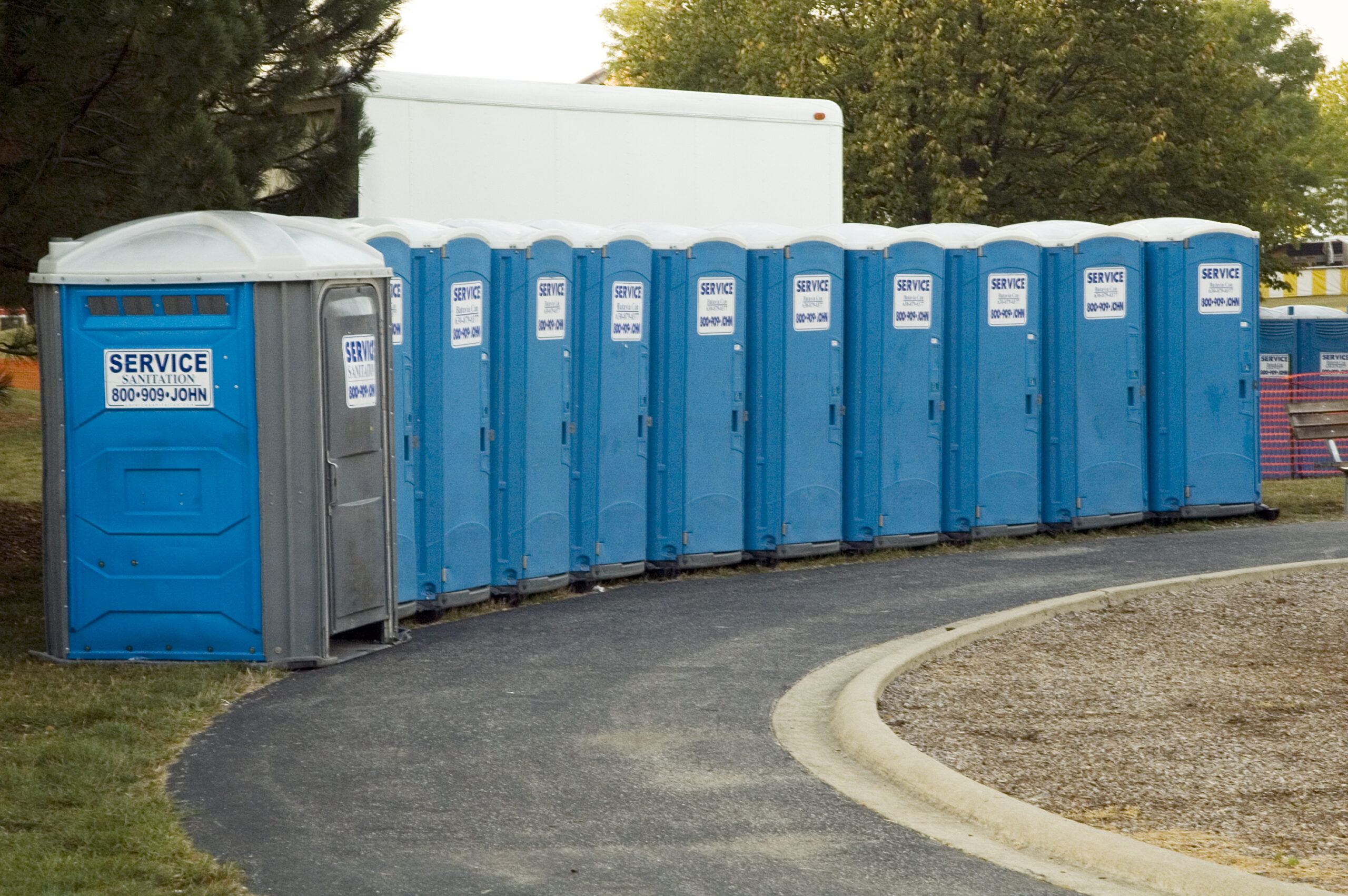
Portable toilets and hand washing stations are also common on commercial job sites.
These facilities should remain accessible to workers while also being reachable by service vehicles.
When planning construction site fencing, determine where portable sanitation facilities will be placed and how servicing will occur.
Avoid positioning fencing, equipment, or storage areas in ways that prevent sanitation trucks from reaching the units.
Plan for Changes During Construction
Commercial construction sites rarely remain the same from beginning to end.
Excavation areas may become buildings. Equipment zones may move. New entrances may open, while old ones become unnecessary.
Temporary fencing offers the advantage of being adaptable.
Review the fencing layout throughout the project and determine whether sections should be relocated as construction progresses.
This can help maintain an effective perimeter without keeping unnecessary fencing in areas that no longer require it.
Schedule Temporary Fence Installation Early
Temporary fencing should be included in the initial construction site setup rather than treated as an afterthought.
Installing the perimeter before major equipment and materials arrive can make site organization easier from the beginning.
When scheduling temporary fence rental, provide information such as:
- Construction site location
- Approximate perimeter
- Project duration
- Number of entrances
- Vehicle access requirements
- Ground conditions
- Expected installation date
- Expected removal date
- Screening requirements
Providing detailed information can help the rental company prepare for the specific conditions of your project.
Temporary Fence Rental in El Paso for Commercial Construction
Commercial construction sites need clearly defined boundaries and practical access points for workers, equipment, deliveries, and service vehicles.
Temporary fencing for construction sites provides a flexible solution that can adapt as a project progresses while helping contractors organize work areas and control access.
Before renting temporary fencing, consider the size of the perimeter, project duration, ground conditions, vehicle gates, worker entrances, equipment storage, portable sanitation, dumpster locations, and surrounding public areas.
Ivan’s Site Services provides temporary fence rental in El Paso for commercial construction projects, job sites, property improvements, and other temporary applications.
Contractors can also coordinate temporary fencing with roll-off dumpster rental, portable sanitation, pumping, and other job site services based on project needs.
Contact Ivan’s Site Services to discuss temporary fencing for your commercial construction project and plan a rental setup that works with your job site.