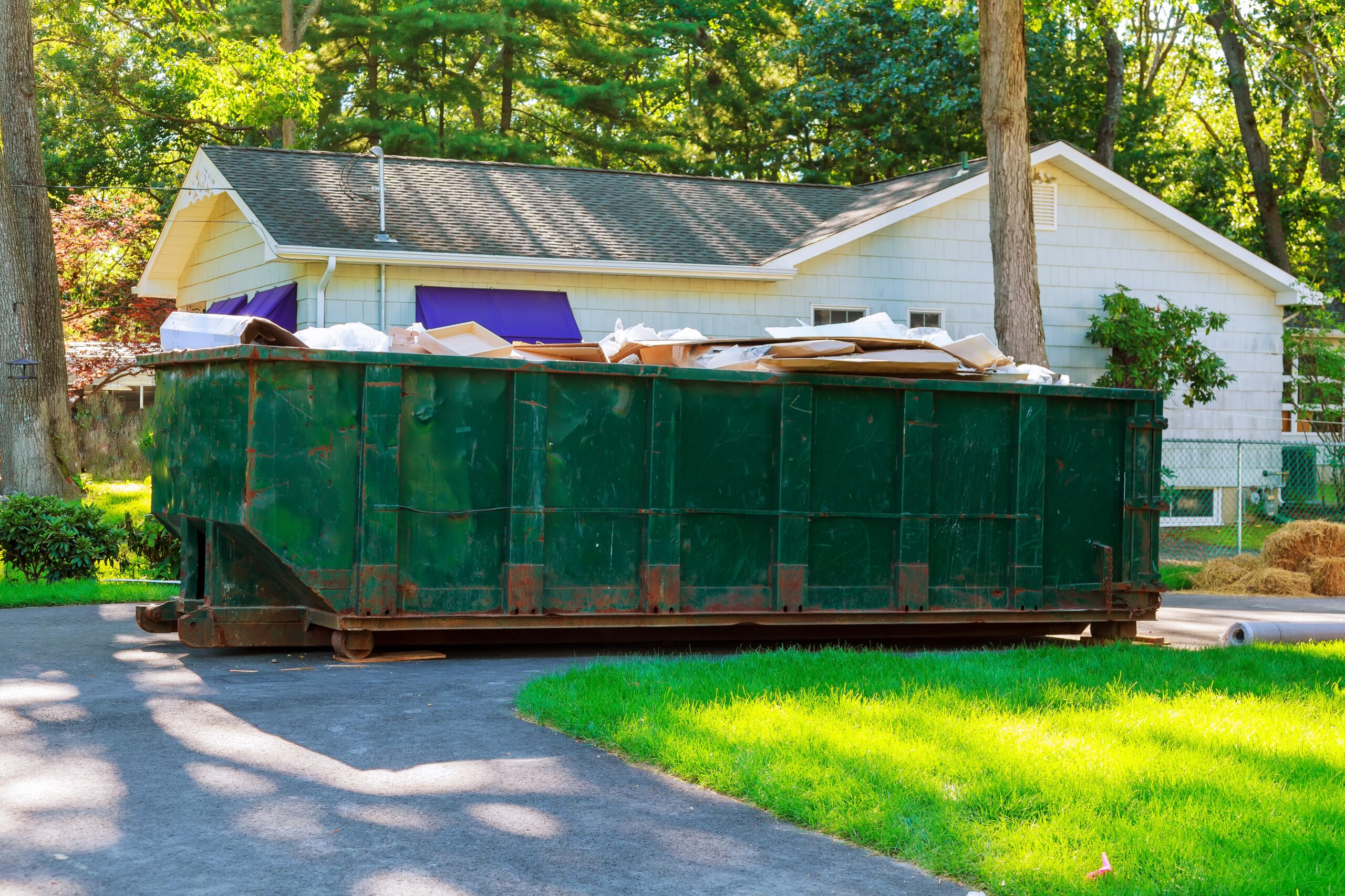
Roofing projects can generate a surprising amount of waste. Old shingles, underlayment, flashing, packaging, damaged materials, and other roofing debris can quickly accumulate around a property or job site.
Whether you are replacing the roof of a single-family home or managing a larger commercial roofing project, having a reliable way to collect and remove debris can make the job site safer and more organized.
A dumpster rental for roofing provides a convenient place to contain roofing waste throughout the project. However, choosing the right dumpster size is important. A container that is too small may require additional hauls, while renting more capacity than you need can be unnecessary.
Understanding your project and the amount of roofing debris it will generate can help you select the right roll-off dumpster.
Why Rent a Dumpster for a Roofing Project?
Roof removal produces heavy, bulky debris that needs to be managed throughout the job.
Without a designated container, old shingles and other materials can accumulate around driveways, yards, sidewalks, or construction areas. This can make cleanup more difficult and create unnecessary obstacles for workers.
A roofing dumpster rental provides one central location for debris as materials are removed.
Benefits can include:
- Keeping roofing debris contained
- Maintaining a cleaner job site
- Simplifying final cleanup
- Reducing piles of loose materials
- Making debris removal more efficient
- Supporting better organization throughout the project
For roofing contractors handling multiple jobs, arranging roll-off dumpster rental ahead of time can also make waste management easier to incorporate into the project schedule.
What Roofing Materials Go Into a Dumpster?
Roof replacement involves more than removing shingles.
Depending on the type and condition of the roof, debris may include:
- Asphalt shingles
- Roofing felt
- Underlayment
- Flashing
- Wood and decking materials
- Nails and fasteners
- Packaging materials
- Damaged roofing components
- Other construction debris
Before placing materials into a dumpster, confirm what the rental provider accepts.
Certain materials may have specific disposal requirements, and mixing prohibited items with ordinary roofing debris can create problems during pickup or disposal.
What Size Dumpster Do You Need for Roofing?
There is no single dumpster size that works for every roofing project.
The appropriate size depends on the roof area, number of roofing layers being removed, type of material, and total weight of the debris.
Roll-off dumpsters are generally measured in cubic yards. A higher cubic-yard capacity means the container can hold a greater volume of material.
However, roofing debris is often heavy. This means weight limits can be just as important as physical container capacity.
Before choosing a dumpster, estimate the scope of the roofing project and discuss the expected materials with your dumpster rental provider.
10-Yard Dumpsters for Smaller Roofing Projects
A 10-yard dumpster can be useful for smaller roofing jobs and projects where the amount of debris is relatively limited.
Its smaller footprint can also make it easier to position on properties where driveway or job site space is restricted.
A smaller roll-off dumpster may be appropriate for:
- Small residential roofing projects
- Roof repairs
- Partial roof replacement
- Garage or shed roofing
- Limited shingle removal
Because shingles are heavy, a smaller container can sometimes be a practical option even when the debris does not appear particularly bulky.
Always confirm weight limitations before selecting a dumpster based only on volume.
20-Yard Dumpsters for Residential Roof Replacement
A 20-yard dumpster is a common option for construction and renovation debris and may be suitable for many residential roofing projects.
It provides additional capacity while remaining manageable for many residential properties.
A 20-yard roll-off dumpster may work well for:
- Residential roof replacement
- Medium-sized roofing projects
- Shingle removal
- Roofing projects involving additional construction debris
- Jobs requiring more capacity than a small dumpster provides
The actual container needed will still depend on the amount and weight of roofing material being removed.
Larger Dumpsters for Commercial Roofing Projects
Commercial roofing projects can generate significantly more debris than residential roof replacements.
Large buildings may involve extensive roof surfaces, multiple layers of material, insulation, decking, and other construction waste.
Larger roll-off dumpsters can provide the capacity necessary to keep debris contained during these projects.
However, simply choosing the largest available dumpster is not always the best strategy.
Because roofing materials can be extremely heavy, weight restrictions may limit how much material can safely be loaded into a single container. In some situations, multiple containers or scheduled dumpster swaps may be more appropriate.
A dumpster rental company can help determine an efficient waste removal plan based on the size and type of roofing project.
Consider the Number of Roofing Layers
Two roofs with the same square footage can produce very different amounts of debris.
One important factor is the number of existing roofing layers.
If a roof has multiple layers of old shingles that need to be removed, the total volume and weight of the debris can increase significantly.
Before scheduling roofing dumpster rental, determine whether the project involves:
- One layer of shingles
- Multiple shingle layers
- Damaged decking
- Underlayment replacement
- Additional structural materials
Providing this information to the rental company can help you receive a more appropriate dumpster recommendation.
Don’t Forget About Weight Limits
Dumpster size is only part of the equation when disposing of roofing debris.
Asphalt shingles and other roofing materials can become very heavy when loaded in large quantities.
A dumpster may reach its allowable weight before it appears completely full.
For this reason, you should never assume that every container can simply be filled to the top with shingles.
When arranging a dumpster rental for roofing, ask about applicable weight limits and explain exactly what materials you expect to dispose of.
This can help prevent overloading and make pickup safer and more predictable.
Where Should You Place a Roofing Dumpster?
Dumpster placement can affect the efficiency of the entire roofing project.
Ideally, the container should be close enough to the work area that crews can dispose of debris efficiently without creating unnecessary obstacles.
Common placement locations include:
- Driveways
- Designated construction areas
- Commercial parking areas
- Accessible areas near the building
The surface should be stable and accessible to the delivery truck.
You should also consider overhead wires, trees, parked vehicles, gates, equipment, and other obstacles that could interfere with delivery or pickup.
Planning dumpster placement before the project begins can help avoid delays once roofing work is underway.
Schedule Your Dumpster Before Roofing Work Begins
Waste management should be part of the roofing project plan from the beginning.
If the dumpster arrives after roof removal has already started, workers may need to create temporary debris piles and move the same material more than once.
Scheduling your roll-off dumpster before the roofing crew begins allows debris to be placed directly into the container as the old roof is removed.
When making your reservation, provide details such as:
- Project location
- Expected roofing materials
- Approximate roof size
- Number of roofing layers
- Preferred delivery date
- Expected project duration
- Available placement area
The more information you provide, the easier it is to select an appropriate dumpster.
Dumpster Rental for Roofing Contractors
Roofing contractors may require dumpsters regularly rather than for a single project.
Coordinating dumpster delivery and pickup with the roofing schedule can help crews move efficiently between jobs while keeping each construction site organized.
For larger or longer projects, scheduled pickups or dumpster swaps can also help prevent debris from accumulating once the original container reaches capacity.
Working with a local dumpster rental company can make it easier to coordinate waste removal around changing construction schedules.
Roofing Dumpster Rental in El Paso
Roofing projects generate heavy construction debris that needs to be removed safely and efficiently. Choosing the right dumpster can help keep shingles, underlayment, damaged materials, and other waste contained from the beginning of the project through final cleanup.
When selecting a dumpster rental for roofing in El Paso, consider more than just container dimensions. Roof size, number of layers, debris type, available space, and weight all play an important role in determining the right option.
Ivan’s Site Services provides roll-off dumpster rental in El Paso for roofing, construction, renovation, and other cleanup projects. Whether you are a homeowner replacing a roof or a contractor managing multiple job sites, the right dumpster rental can make roofing debris disposal easier to manage.
Contact Ivan’s Site Services to discuss your roofing project, available dumpster sizes, and roll-off dumpster rental options in El Paso.