Holding tanks provide temporary wastewater storage for properties, facilities, and job sites where a traditional sewer connection or septic system may not be available. Unlike septic systems that process and disperse wastewater, holding tanks are designed primarily to store waste until it can be professionally removed.
Because the wastewater remains inside the tank, regular holding tank pumping is essential. Allowing a tank to reach capacity can lead to backups, unpleasant odors, sanitation problems, and interruptions to normal operations.
But how often should a holding tank be emptied?
The answer depends on tank capacity, wastewater usage, number of users, and the type of property or site. Understanding these factors can help property owners and site managers establish a reliable pumping schedule.
What Is a Wastewater Holding Tank?
A holding tank is a sealed container designed to collect and temporarily store wastewater.
Wastewater enters the tank from connected facilities and remains there until a pumping service removes it.
Holding tanks may be used in locations such as:
- Construction sites
- Commercial properties
- Temporary facilities
- Remote work sites
- Industrial locations
- Properties without convenient sewer access
- Special events or temporary operations
Because these tanks do not provide unlimited storage, monitoring wastewater levels and scheduling regular pumping are important parts of managing the system.
How Often Should a Holding Tank Be Pumped?
There is no universal schedule that works for every holding tank.
Some tanks may require frequent pumping because they serve a busy job site or commercial facility. Others may fill more slowly because they are used by fewer people or only during certain periods.
The appropriate holding tank pumping frequency depends primarily on how quickly wastewater enters the tank compared with its total capacity.
Factors that influence pumping frequency include:
- Tank size
- Number of users
- Daily water consumption
- Type of facility
- Hours of operation
- Seasonal usage
- Number of connected fixtures
- Previous pumping history
Rather than waiting for the tank to become completely full, operators should establish a pumping schedule that provides enough capacity between service visits.
Tank Capacity Is Only Part of the Calculation
A larger holding tank generally provides more storage, but tank size alone does not determine how frequently pumping will be necessary.
A large tank serving a high-traffic commercial site could fill faster than a smaller tank used occasionally.
When planning wastewater holding tank pumping, consider both capacity and actual usage.
If you know the approximate tank capacity and the amount of wastewater the property generates each day, a pumping service can help you determine a more practical maintenance schedule.
Number of Users Can Affect Pumping Frequency
The number of people using connected facilities can have a significant impact on how quickly a holding tank fills.
For example, a construction site with a small crew may generate substantially less wastewater than a large commercial job site with multiple shifts.
Changes in workforce size should also be considered.
If a construction project begins with 10 workers and later increases to 50, the existing pumping schedule may no longer provide enough capacity.
Site managers should review wastewater needs whenever the number of workers or visitors changes significantly.
Signs a Holding Tank May Need Pumping
Regular monitoring is preferable to waiting for obvious problems, but there are several warning signs that may indicate a tank requires attention.
High-Level Alarm
Some holding tank systems include alarms designed to indicate when wastewater reaches a predetermined level.
A high-level alarm should not be ignored.
If an alarm activates, reduce unnecessary water usage and arrange pumping according to the requirements of the system.
Slow Drains
Slow drainage from connected sinks, toilets, or other fixtures may indicate that wastewater is no longer moving through the system normally.
Many plumbing problems can cause slow drains, so the holding tank should be evaluated as part of the investigation.
Unpleasant Odors
Persistent wastewater or sewage odors near the tank or connected facilities can indicate a problem that requires attention.
Odors may develop for several reasons, but checking the wastewater level and pumping history is a reasonable place to start.
Wastewater Backups
A wastewater backup is a serious sign that the system requires immediate attention.
Allowing a holding tank to exceed its usable capacity can prevent wastewater from moving away from connected facilities properly.
Scheduled pumping can help reduce the likelihood of reaching this point.
Don’t Wait Until the Tank Is Completely Full
Waiting until a holding tank reaches maximum capacity leaves very little room for unexpected wastewater usage.
A sudden increase in workers, visitors, or facility activity could cause the tank to fill sooner than expected.
Weather, operational changes, or delayed service may also affect the pumping schedule.
Planning service before the tank reaches capacity provides a buffer and can help prevent emergency pumping situations.
Holding Tank Pumping for Construction Sites
Construction sites frequently rely on temporary infrastructure while permanent utilities are being installed.
Depending on the project setup, wastewater holding tanks may be used as part of temporary sanitation systems.
As workforce size changes throughout different construction phases, wastewater generation may also change.
Contractors should consider:
- Current crew size
- Expected workforce growth
- Number of shifts
- Project duration
- Available tank capacity
- Portable sanitation requirements
- Pumping vehicle access
Coordinating holding tank pumping with other construction site services can help keep temporary facilities operational throughout the project.
Holding Tank Pumping for Commercial Properties
Commercial properties may also use wastewater holding tanks in situations where traditional wastewater infrastructure is unavailable or impractical.
Usage can vary considerably depending on the type of business and number of people using the facility.
A commercial holding tank pumping schedule should account for operating hours, employee count, visitors, water usage, and periods of increased activity.
Keeping records of previous pumping services can help property managers identify how quickly the tank typically fills.
Seasonal and Temporary Sites May Have Different Needs
Not every holding tank experiences consistent usage throughout the year.
Temporary facilities, seasonal businesses, construction projects, and event locations may experience periods of high activity followed by little or no use.
Instead of maintaining the same pumping frequency year-round, operators may need to adjust service based on actual demand.
For example, a site may require more frequent pumping during peak operations and less frequent service during slower periods.
Monitoring usage can help determine when these adjustments are necessary.
Keep Track of Pumping History
One of the easiest ways to develop an appropriate maintenance schedule is to maintain accurate service records.
Record information such as:
- Date of each pumping service
- Approximate wastewater level
- Tank capacity
- Number of users
- Changes in site activity
- Any alarms or drainage problems
Over time, this information can reveal patterns.
If the tank consistently approaches capacity before the scheduled service date, pumping may need to occur more frequently.
Make Sure the Tank Is Accessible
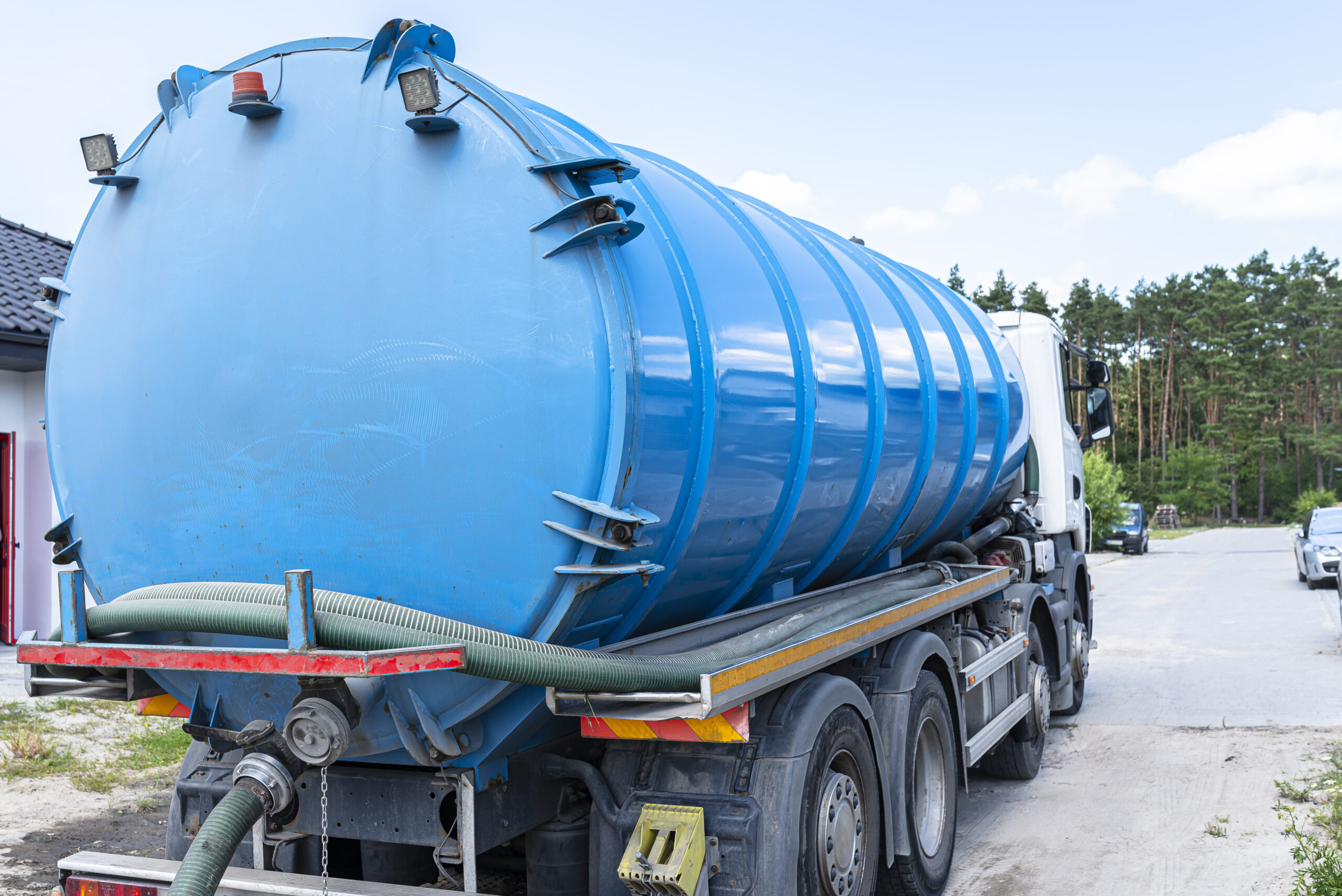
Holding tank pumping requires access for service equipment.
Before the pumping truck arrives, make sure the tank can be reached without unnecessary obstacles.
Consider:
- Gates
- Temporary fencing
- Parked vehicles
- Construction equipment
- Material storage
- Ground conditions
- Access roads
On active construction sites, these conditions can change frequently.
Keeping the pumping area accessible can make scheduled service easier and reduce delays.
Schedule Pumping Before Busy Periods
If you know a property or job site is about to experience increased activity, reviewing the holding tank schedule ahead of time can help prevent capacity problems.
Examples might include:
- Increased construction crews
- Additional work shifts
- Large deliveries or contractor activity
- Temporary site expansion
- Increased commercial operations
Having the tank pumped before a high-use period can provide additional capacity when it is needed most.
Holding Tank Pumping vs. Septic Tank Pumping
Although both services involve removing wastewater, holding tanks and septic tanks serve different purposes.
A holding tank primarily stores wastewater until it is removed. A septic system, by comparison, is designed to separate and process wastewater as part of a larger onsite treatment system.
Because holding tanks depend on pumping for waste removal, their service frequency can be closely tied to actual wastewater usage and storage capacity.
Understanding which type of system you have is important when scheduling pumping services.
Create a Preventive Pumping Schedule
The best time to arrange holding tank pumping is before the tank creates a problem.
A preventive schedule can be based on tank capacity, historical usage, workforce size, and previous service intervals.
If site conditions change, the schedule can be adjusted accordingly.
Regular monitoring combined with scheduled pumping can help prevent wastewater storage from interfering with normal operations.
Holding Tank Pumping Services in El Paso
Wastewater holding tanks have limited capacity, making dependable pumping an important part of operating temporary facilities, commercial properties, construction sites, and other locations without traditional wastewater connections.
The appropriate pumping frequency depends on how quickly the tank fills, not simply on a fixed number of days. Tank capacity, number of users, water consumption, and site activity should all be considered when establishing a service schedule.
Ivan’s Site Services provides holding tank pumping services in El Paso for commercial properties, construction sites, temporary facilities, and other wastewater management needs.
If you are unsure how frequently your holding tank should be emptied, reviewing its capacity and typical usage can help establish an appropriate schedule.
Contact Ivan’s Site Services to learn more about holding tank pumping in El Paso and schedule wastewater pumping services for your property or job site.