Construction sites present unique sanitation challenges. Workers may spend long hours at locations without permanent plumbing, especially during new construction, infrastructure projects, renovations, and early phases of development.
Providing access to proper sanitation facilities is an important part of maintaining a functional job site. Portable hand washing stations for construction sites can provide workers with access to water and basic hand-cleaning supplies when permanent facilities are unavailable or difficult to reach.
But when are hand washing facilities required on a construction site, and how should contractors plan for them?
Understanding job site sanitation requirements can help contractors and site managers prepare appropriate facilities before work begins.
Why Hand Washing Facilities Matter on Construction Sites
Construction workers regularly come into contact with dust, dirt, building materials, tools, equipment, chemicals, and other substances throughout the workday.
Without convenient hand washing facilities, workers may have limited opportunities to clean their hands before eating, taking breaks, or leaving the site.
Portable hand washing stations provide a practical solution for temporary job sites because they can be positioned near work areas without requiring permanent plumbing connections.
Depending on the unit, a portable hand washing station may provide:
- Fresh water
- Soap
- Paper towels
- Wastewater collection
- Multiple hand washing areas
These features make portable stations useful for construction sites where traditional sinks are not yet available.
Are Hand Washing Stations Required on Construction Sites?
Construction employers are responsible for providing appropriate sanitation facilities for workers.
Applicable requirements can depend on the type of work being performed, the substances workers may encounter, the number of employees, and other job site conditions.
For example, certain types of work may require specific washing facilities when employees are exposed to harmful substances.
Contractors should evaluate the sanitation requirements that apply to their particular project rather than assuming portable toilets alone provide everything workers need.
Federal, state, and local regulations may apply depending on the location and type of construction project.
When planning construction site sanitation in El Paso, contractors should review current requirements and determine what facilities need to be available before workers arrive.
Portable Toilets and Hand Washing Stations Serve Different Purposes
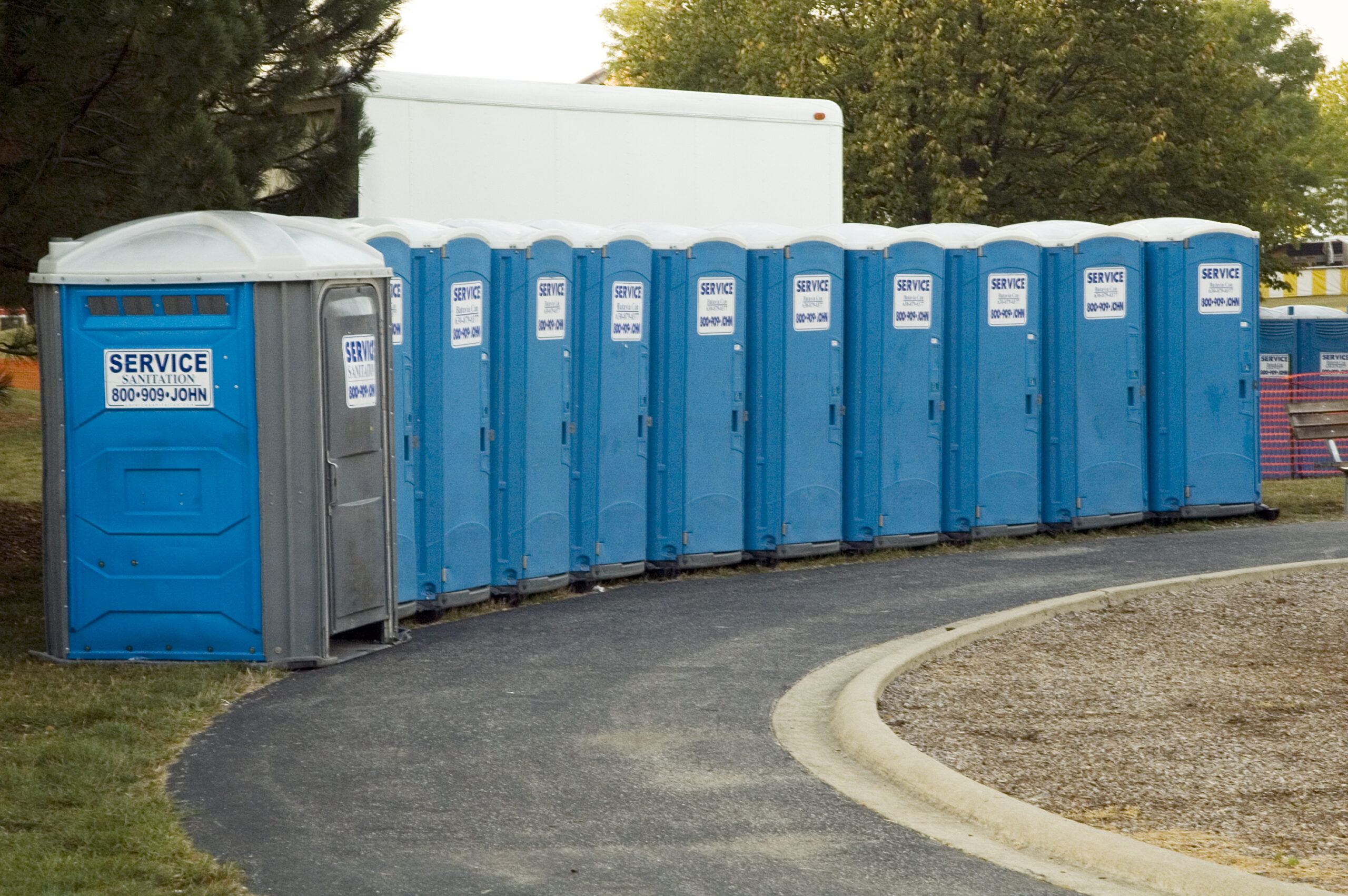
Portable toilets are one of the most common sanitation facilities found on construction sites, but restroom access and hand washing access are separate considerations.
Portable restrooms provide workers with toilet facilities when permanent bathrooms are unavailable.
Portable hand washing stations provide a separate location where workers can wash their hands with water and soap.
Using both can create a more complete temporary sanitation setup for a job site.
The appropriate combination depends on the number of workers, project duration, work being performed, and applicable sanitation requirements.
When Should Contractors Consider Portable Hand Washing Stations?
There are several situations where portable hand washing station rental can be especially useful.
New Construction Without Running Water
During the early stages of a construction project, plumbing systems may not yet be operational.
Workers may spend weeks or months at the site before permanent sinks and restrooms become available.
Portable sanitation facilities can provide temporary access to toilets and hand washing areas during this period.
Remote Construction Sites
Some construction projects take place far from existing buildings or permanent facilities.
Road work, utility projects, land development, infrastructure construction, and similar projects may require temporary sanitation solutions that can move with the job site.
Portable hand washing stations can be placed closer to active work areas so workers do not need to travel long distances to access basic facilities.
Long-Term Construction Projects
Projects lasting several months may require a more comprehensive sanitation plan than short-term jobs.
As the workforce changes or grows, contractors may need to adjust the number and placement of portable toilets and hand washing stations.
Planning for ongoing servicing is also important so the facilities remain usable throughout the project.
Large Construction Crews
A larger workforce can place greater demand on sanitation facilities.
If too few hand washing stations are available, workers may have to wait or walk significant distances to use them.
Contractors should consider crew size when determining how many portable sanitation units are needed.
Where Should Hand Washing Stations Be Placed?
Location can determine how useful portable hand washing stations are to workers.
Facilities should be accessible without interfering with active construction areas, heavy equipment, vehicle traffic, or material storage.
Potential locations may include:
- Near portable toilets
- Close to break areas
- Near employee entrances
- Near food or eating areas
- Close to active work zones when appropriate
The goal is to make hand washing convenient enough that workers can reasonably access the facilities during the workday.
On larger construction sites, placing all sanitation facilities in one distant location may not be practical.
Multiple sanitation areas may be necessary depending on the size and layout of the project.
Consider the Number of Workers
Crew size should be considered when planning any type of construction site sanitation.
A small residential construction project has different requirements than a large commercial development with dozens or hundreds of workers.
Before arranging portable hand washing station rental, consider:
- Average number of workers
- Maximum expected workforce
- Number of shifts
- Size of the construction site
- Location of work areas
- Number of portable toilets
- Project duration
Planning for peak workforce levels can help prevent sanitation facilities from becoming insufficient when more contractors arrive on-site.
Don’t Forget Regular Servicing
Providing portable hand washing stations is only the first step.
The units also need regular servicing so workers continue to have access to water, soap, paper products, and adequate wastewater capacity.
The appropriate service frequency depends on how heavily the stations are used.
High-traffic construction sites may require more frequent servicing than smaller projects.
Contractors should establish a service schedule based on workforce size and site conditions rather than waiting until supplies run out.
Hand Washing Stations for Different Construction Projects
Portable sanitation can be useful across many types of construction environments.
Examples include:
- Residential construction
- Commercial construction
- Road projects
- Utility work
- Industrial projects
- Demolition sites
- Renovation projects
- Land development
- Infrastructure construction
Each project should be evaluated individually because workforce size, available plumbing, project duration, and site layout can vary considerably.
Plan Sanitation Before the Project Starts
Portable toilets and hand washing stations should be included in the construction site plan before workers begin arriving.
Waiting until a project is underway can create unnecessary sanitation problems and make it more difficult to find appropriate locations for the units.
Before scheduling delivery, determine:
- How many workers will be on-site
- Where crews will be working
- Where portable toilets will be located
- Where hand washing stations should be placed
- How service vehicles will access the units
- How long the project is expected to last
Planning these details early can make installation and ongoing servicing easier.
Combine Portable Sanitation With Other Job Site Services
Construction projects often require several temporary services at the same time.
In addition to portable toilets and hand washing stations, contractors may need:
- Roll-off dumpsters
- Temporary fencing
- Waste management services
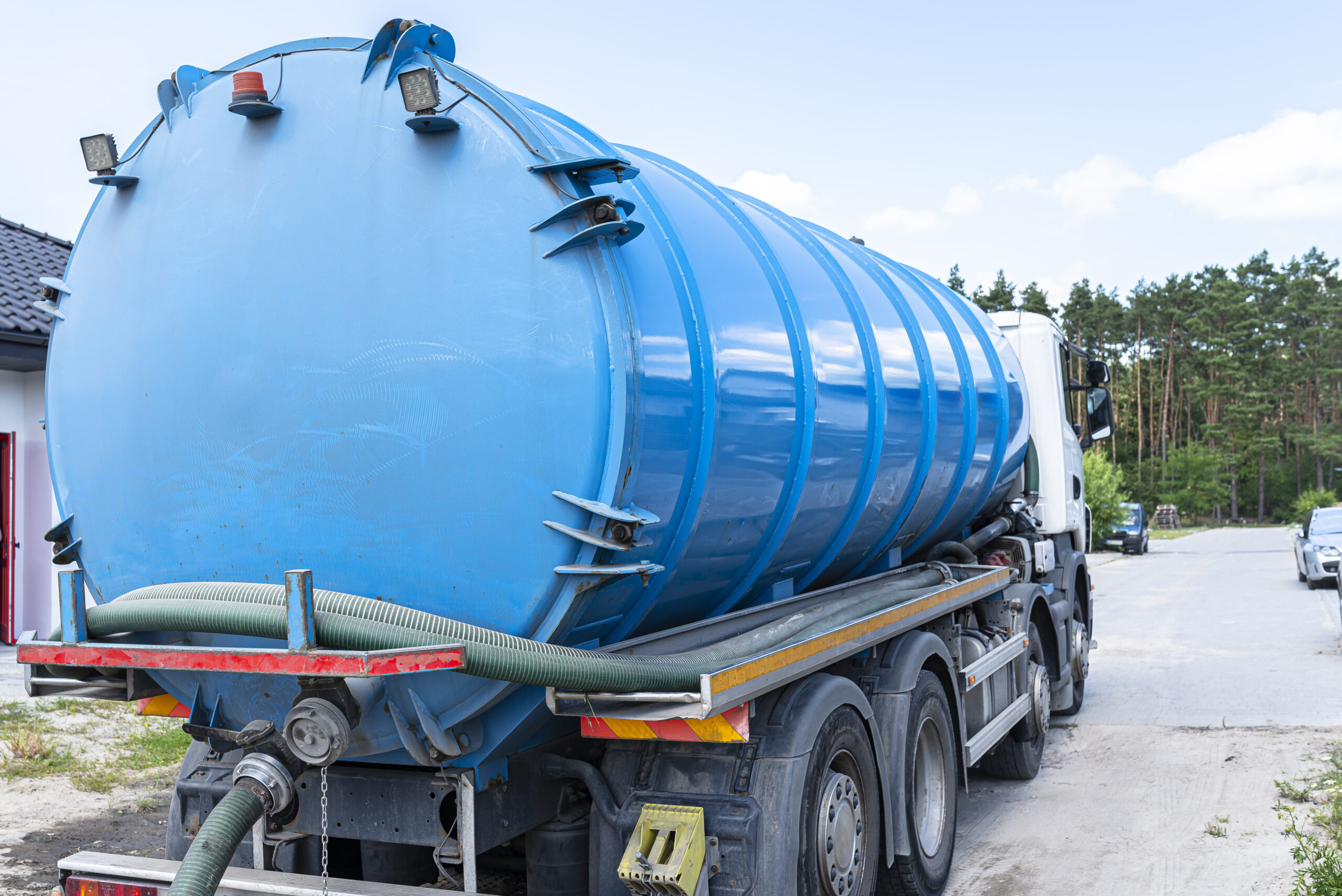
- Pumping services
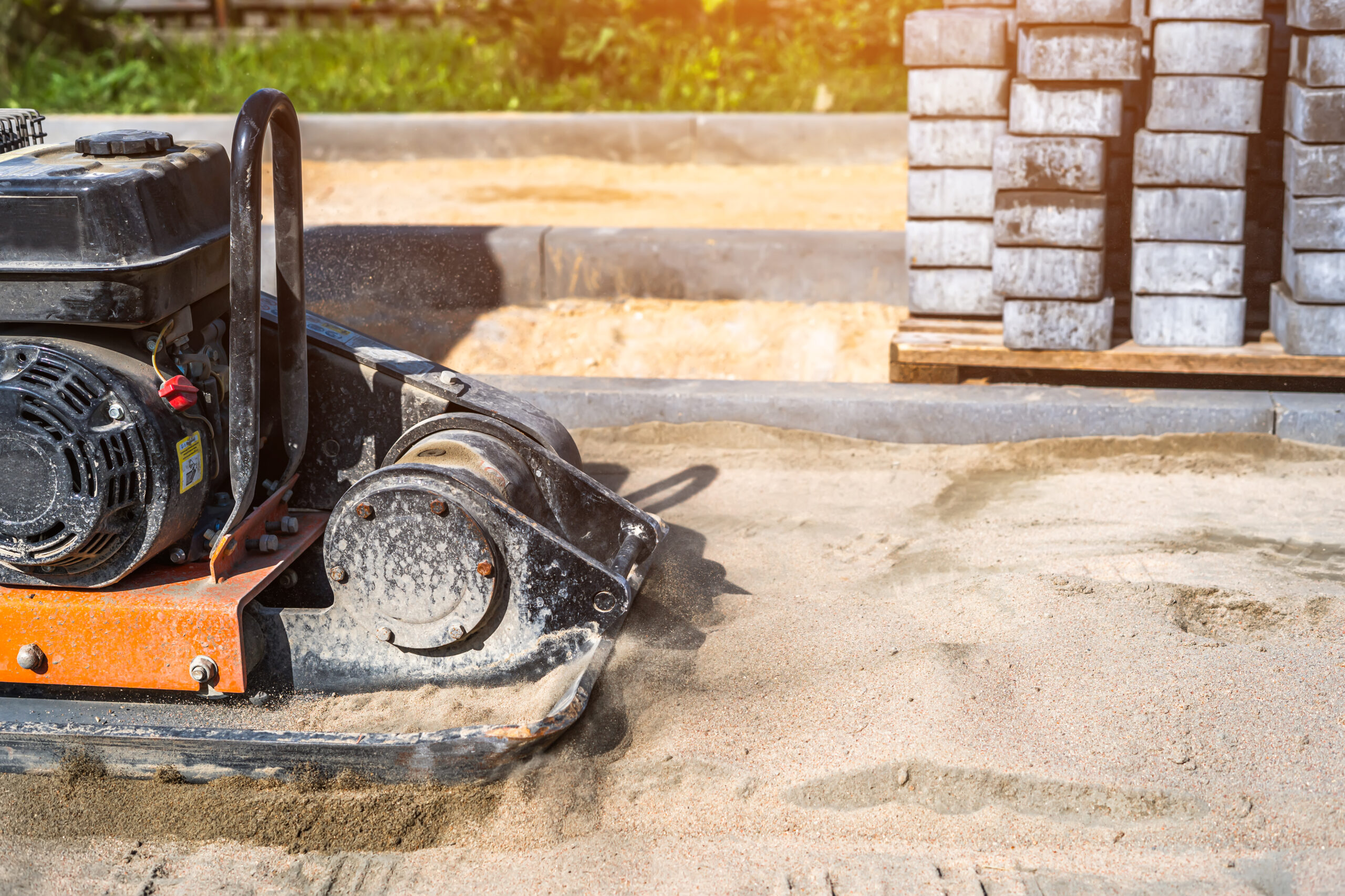
- Construction equipment rentals
Coordinating these services as part of the overall site plan can help prevent conflicts.
For example, temporary fencing should not block sanitation service vehicles, and dumpsters should not prevent workers from reaching portable restrooms or washing stations.
Thinking about the entire job site layout can improve organization throughout the project.
Portable Hand Washing Station Rental in El Paso
Construction sites without permanent plumbing still need an appropriate sanitation plan.
Portable hand washing stations for construction sites provide a practical way to give workers access to hand-cleaning facilities during temporary, remote, or ongoing construction projects.
When determining whether your project needs portable hand washing stations, consider applicable sanitation requirements, workforce size, project duration, available plumbing, work activities, and the layout of the site.
Ivan’s Site Services provides portable sanitation solutions for construction sites in El Paso and surrounding areas. Contractors and site managers can coordinate portable sanitation with other job site services based on the needs of their project.
Contact Ivan’s Site Services to learn more about portable hand washing station rental in El Paso and plan sanitation services for your construction site.