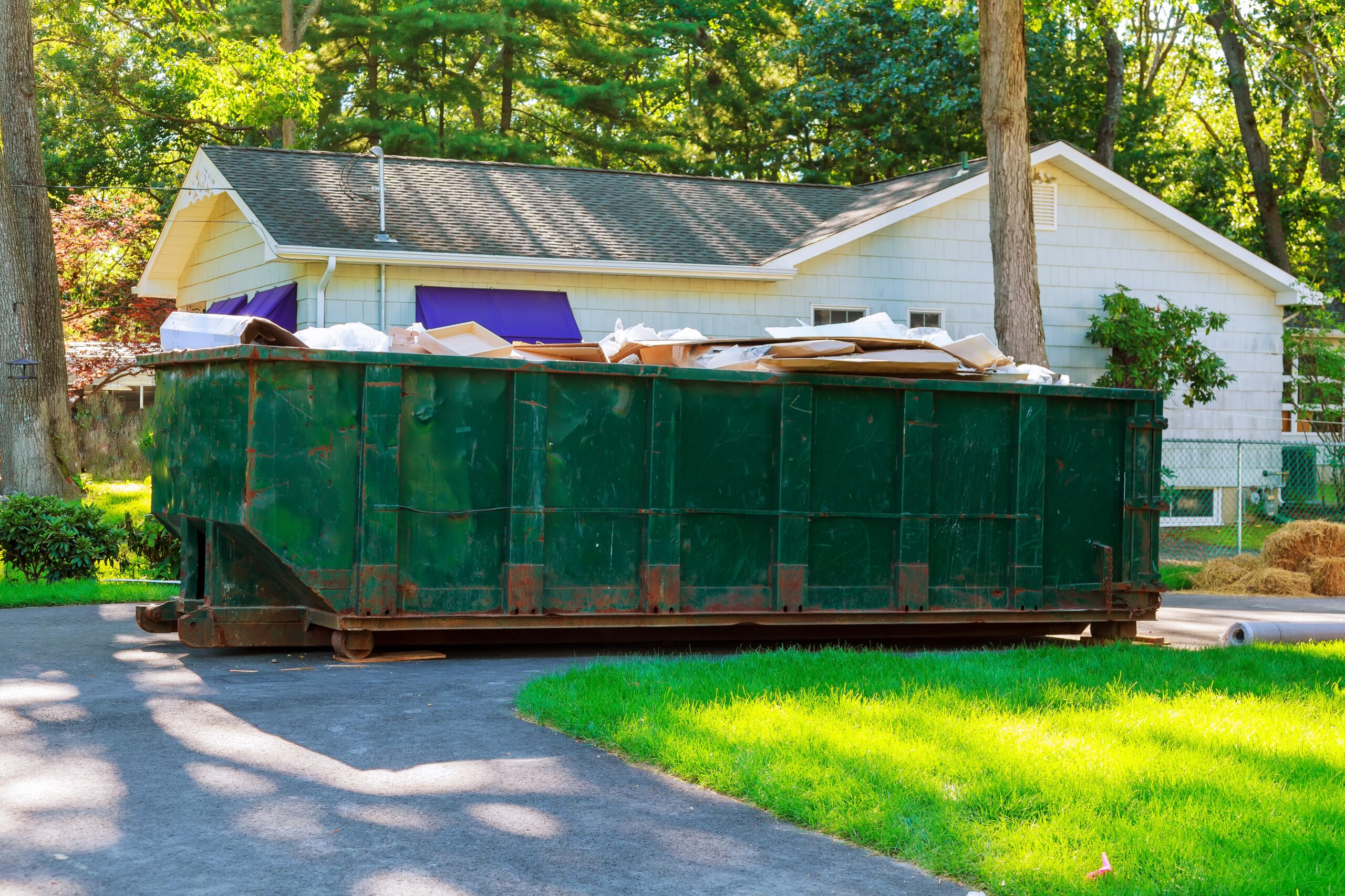
Most contractors think about services in terms of immediate needs.
You need dumpsters? Call.
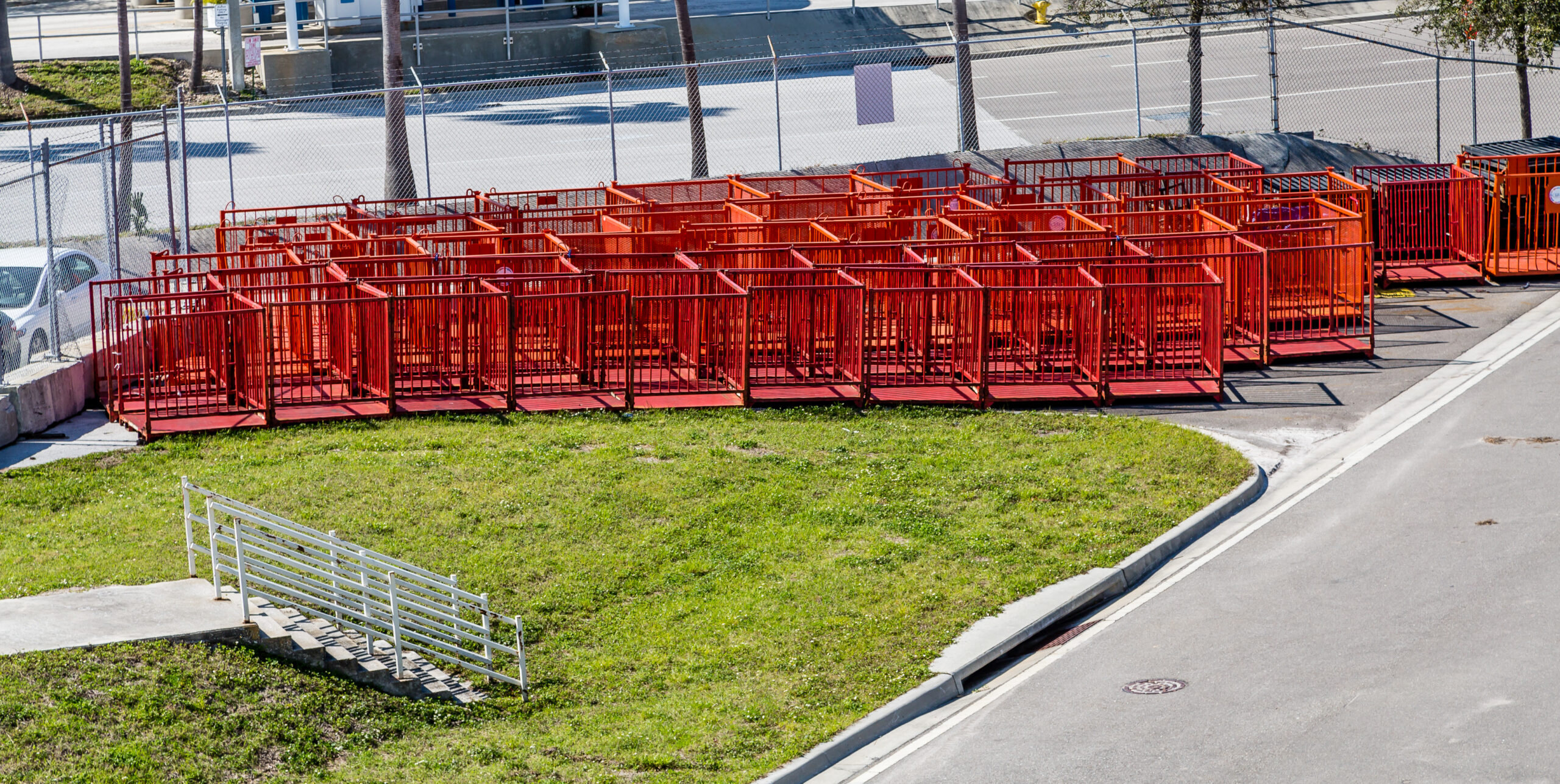
You need fencing? Schedule.
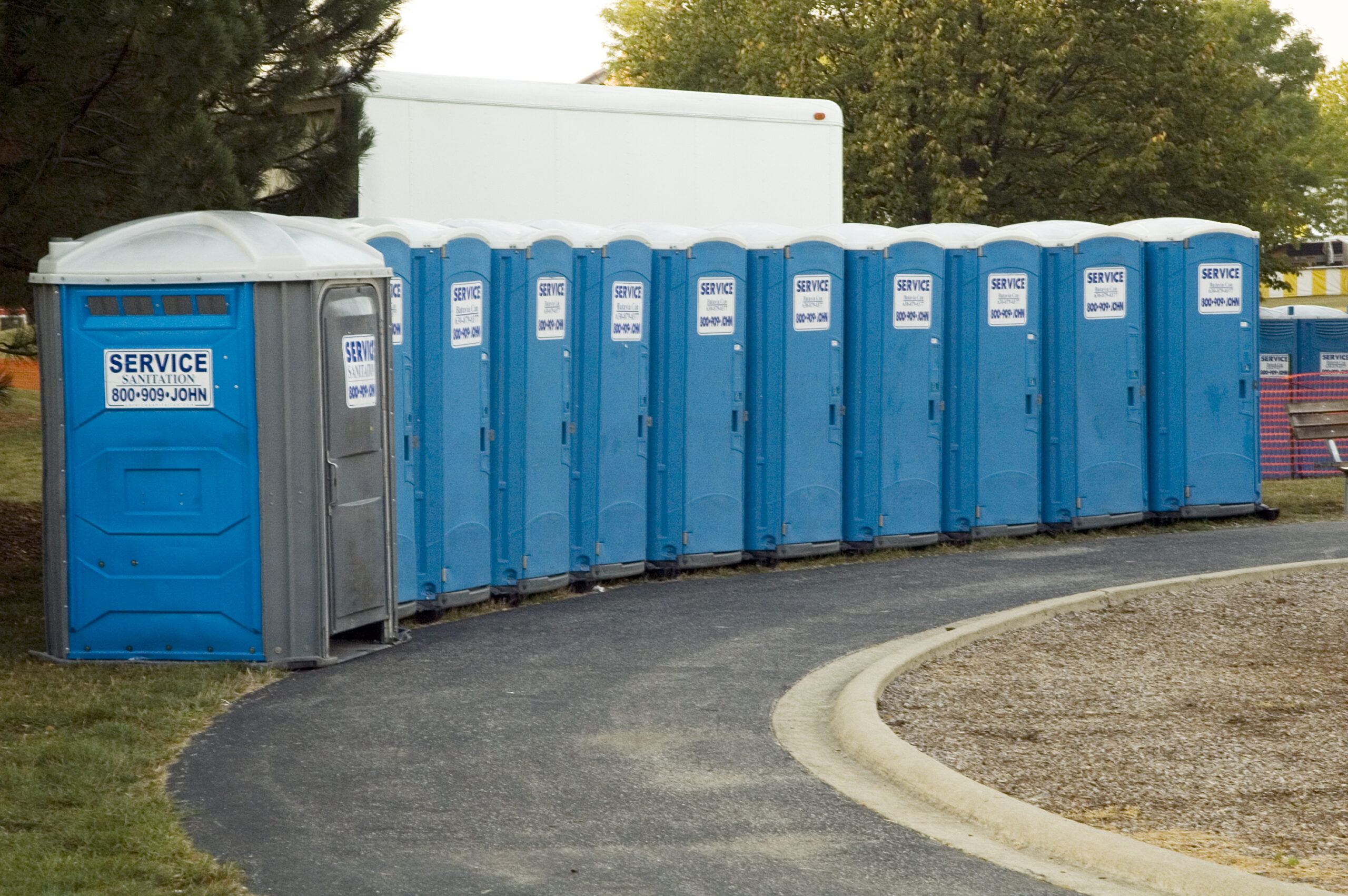
You need portable facilities? Arrange delivery.
But here’s something that often gets overlooked: The right construction services don’t just support a project — they support the future of your business. Because when your operational foundation is strong, scaling becomes easier. Expanding becomes smoother. Taking on larger projects becomes less risky.
Let’s talk about how that works.
Every Growing Contractor Hits a Capacity Ceiling
At some point, every contractor reaches a limit. You land more bids. You secure larger construction projects. Your reputation grows.
But internally, something starts to strain:
- Sites feel harder to manage
- Crews feel stretched
- Logistics feel reactive
- Coordination gets complicated
Growth exposes operational weaknesses. And that’s where structured support systems make the difference.
Services Should Scale With You
One of the biggest mistakes contractors make is treating site services as one-time transactions instead of scalable partnerships.
As your projects increase in size and complexity, your support systems must evolve too.
Growing contractors need:
- Flexible scheduling
- Increased capacity options
- Rapid response adjustments
- Multi-site coordination
- Long-term planning support
When your service partners grow with you, expansion feels manageable instead of overwhelming.
Operational Stability Fuels Reputation
Clients don’t just evaluate final builds — they evaluate process.
Reliable construction support ensures that:
- Sites remain organized
- Schedules feel predictable
- Safety standards are maintained
- Inspections move smoothly
- Workflows stay consistent
When operations run smoothly, clients gain confidence. And confident clients bring repeat business.
Scaling Isn’t About Doing More — It’s About Doing Better
Many contractors think growth means taking on more jobs. But sustainable growth means strengthening infrastructure.
Strong jobsite solutions create repeatable systems. Systems reduce chaos. Reduced chaos allows leadership to focus on strategy instead of daily firefighting.
When site logistics are structured:
- Managers spend less time troubleshooting
- Crews waste less time navigating obstacles
- Equipment utilization improves
- Scheduling becomes more accurate
Efficiency compounds over time.
Long-Term Planning Beats Short-Term Fixes
Quick fixes are tempting. Emergency pickups. Last-minute adjustments. Patchwork scheduling.
But long-term contractors think differently. They invest in long term construction services relationships that provide:
- Consistency
- Predictability
- Familiarity with project patterns
- Strategic consultation
- Early-phase planning input
When your service providers understand your operational rhythm, support becomes proactive instead of reactive.
The Hidden Link Between Services and Profit Margins
Let’s talk numbers.
Operational inefficiencies cost money in ways that are hard to track:
- Labor downtime
- Rescheduled subcontractors
- Delivery conflicts
- Inspection delays
- Safety incidents
These issues don’t always show up clearly on spreadsheets — but they erode margins quietly.
Reliable service infrastructure protects profit by reducing variability.
And in construction, consistency protects margins.
Growth Requires Delegation of Non-Core Tasks
As contractors expand, leadership bandwidth becomes limited.
You can’t personally manage every dumpster swap, fence relocation, or site adjustment.
That’s where structured contractor growth support plays a role.
When dependable partners manage site logistics efficiently:
- Leadership focuses on bidding and strategy
- Project managers focus on sequencing
- Supervisors focus on quality control
- Crews focus on execution
Delegation isn’t weakness. It’s scalability.

What Smart Contractors Look for in Service Partners
Growing contractors prioritize:
- Responsiveness
- Flexible scheduling
- Multi-project coordination
- Clear communication
- Adaptability to changing phases
They don’t just look at price.
They evaluate reliability, because unreliable support disrupts growth.
Signs Your Current Support Structure Isn’t Scalable
If you’re experiencing:
- Frequent emergency calls
- Inconsistent service timing
- Delays caused by site logistics
- Difficulty coordinating across multiple sites
- Lack of proactive recommendations
Then your operational backbone may not be ready for expansion.
Growth requires stability underneath.
Quick Wins for Contractors
- Build long-term service partnerships instead of one-off bookings
- Align site logistics with project scaling plans
- Audit operational bottlenecks quarterly
- Evaluate response times from vendors
- Plan service capacity increases before growth phases
- Treat support systems as strategic assets
Small strategic adjustments can create significant long-term impact.
The Competitive Advantage Most Contractors Overlook
In competitive markets, many contractors compete on:
- Price
- Speed
- Experience
- Portfolio
But fewer compete on operational reliability.
When your sites consistently run smoothly — across multiple builds — your reputation strengthens organically.
Developers and clients notice when:
- Projects feel controlled
- Sites remain professional
- Logistics rarely create delays
- Teams operate calmly
Operational excellence becomes a differentiator.
How IVAN’S SITE SERVICES Supports Sustainable Growth
At IVAN’S SITE SERVICES, we understand that we’re not just supporting projects — we’re supporting businesses.
We work with contractors to provide scalable, adaptable solutions that grow with their operations.
Whether it’s expanding service capacity, adjusting to larger footprints, or coordinating across multiple builds, our goal is simple:
Make site logistics the most stable part of your project — not the most stressful.
Because growth should feel structured, not chaotic.
Conclusion
Strong operational infrastructure is the foundation of sustainable contractor growth. When services are reliable, scalable, and aligned with long-term goals, projects run smoother and leadership can focus on strategy instead of constant troubleshooting. Growth isn’t just about winning more bids — it’s about building systems that support expansion without sacrificing control. With the right support structure in place, scaling becomes a strategic move instead of a risky leap.