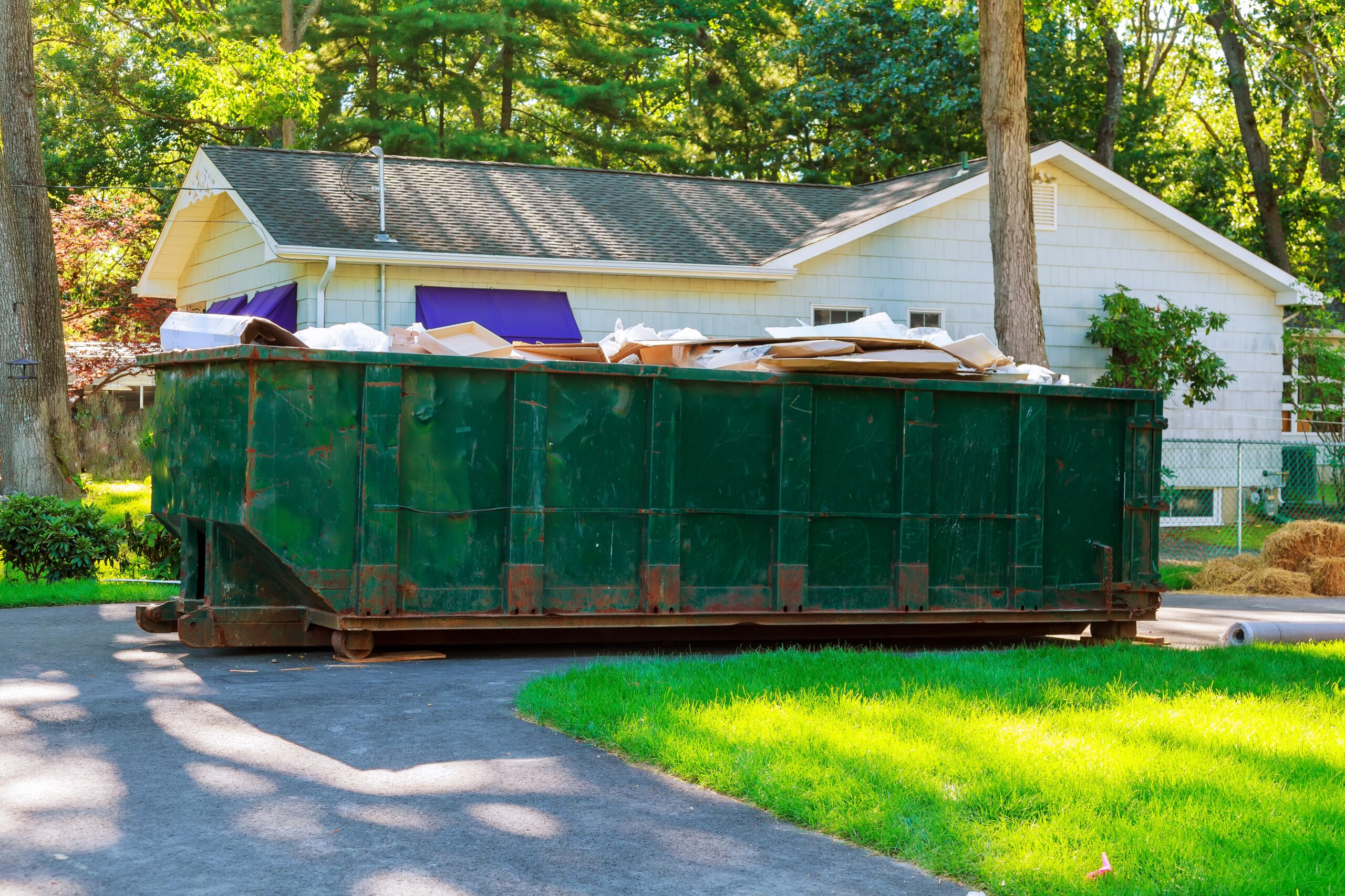
Selecting the right dumpster for your project can make the difference between a smooth, efficient workflow and a costly, frustrating experience. Whether you are managing a construction site, planning a home renovation, cleaning out a property, or coordinating commercial waste removal, choosing the correct size ensures proper disposal, fewer delays, and better budget control. With numerous options available, this dumpster guide is designed to help you navigate the selection process confidently and effectively.
Understanding container sizes is essential because dumpsters are not one-size-fits-all. Each project requires a specific capacity that aligns with the type of debris, the amount of waste expected, and the available space on your jobsite or property. From small cleanouts to large-scale demolitions, knowing what to expect from each size prevents overfilling and helps you avoid additional charges.
Why Understanding Dumpster Sizes Matters
Many customers underestimate the amount of waste a project will generate or don’t realize how much variation exists between dumpster types. That’s why having dumpster sizes explained is critical—each container is measured not only by its volume but also by its physical footprint and weight capacity. Ignoring these factors can result in safety issues, logistical complications, or unexpected expenses.
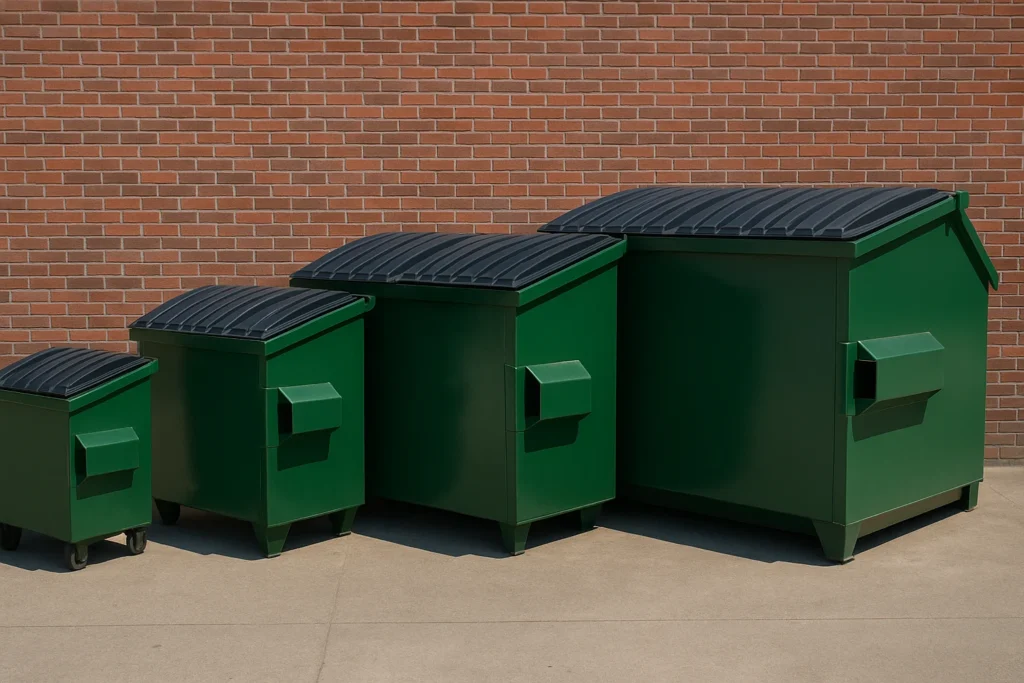
Dumpsters usually range from small 10-yard containers to massive 40-yard units. Although the difference in yardage may seem small, the actual dimensions and capacity vary widely. Selecting the right size helps ensure that:
- Waste is handled efficiently
- The dumpster fits your available space
- Heavy debris does not exceed weight limits
- You minimize pickup frequency and rental costs
- Your project stays on schedule without delays
With a clear understanding of how sizes work, you can match the ideal container to your specific needs.
How Dumpster Sizes Are Measured
Before diving into individual size categories, it’s helpful to understand how dumpster capacity is defined. Dumpsters are measured in cubic yards, which refer to the volume the container can hold. For instance, a 10-yard dumpster holds approximately ten cubic yards of debris—ideal for small-scale projects. But volume isn’t the only factor; weight limitations and physical roll off dumpster dimensions also influence whether a dumpster is suitable for your project.
Common measurements include:
- Length
- Width
- Height
- Maximum weight capacity
- Loading access (swing doors vs. open top)
These measurements ensure that the dumpster can safely accommodate the type of debris your job generates.
Dumpster Size Chart Overview
To make the selection process easier, a dumpster size chart provides a side-by-side comparison of the most common options. While precise dimensions vary by provider, the general capacities and ideal uses remain consistent across the industry.
A typical dumpster size chart includes:
- 10-yard dumpsters
- 15-yard dumpsters
- 20-yard dumpsters
- 30-yard dumpsters
- 40-yard dumpsters
Each category offers distinct benefits depending on the scale and nature of your project.
10-Yard Dumpsters: Ideal for Small Projects
A 10-yard dumpster is often the best choice for minor cleanouts or compact projects. Its manageable size fits easily in small driveways and residential areas, making it extremely versatile for homeowners or contractors needing a simple waste solution.
Best For:
- Small bathroom or kitchen remodels
- Single-room cleanouts
- Light landscaping debris
- Minor roofing projects
- Apartment or garage decluttering
Why Choose This Size?
This dumpster is compact, affordable, and perfect when your debris load is limited but still too much for standard trash removal. It’s also easy to load, making it convenient for DIY renovators.
15-Yard Dumpsters: A Balanced Mid-Size Option
A 15-yard dumpster offers a bit more capacity without requiring large amounts of space. It’s a great middle-ground when you’re unsure how much debris your project might produce.
Best For:
- Medium-size interior renovations
- Multi-room cleanouts
- Shingle removal from medium roofs
- Yard cleanup projects
- Small contractor jobs
Why Choose This Size?
This mid-size option provides extra room while still fitting comfortably in most residential driveways or tight commercial lots.
20-Yard Dumpsters: A Popular Choice for Versatility
The 20-yard dumpster is one of the most frequently rented sizes because it offers excellent capacity without overwhelming smaller properties. It is especially useful for moderate construction or renovation projects.
Best For:
- Full home remodeling
- Construction debris from framing or drywall
- Carpet or flooring removal
- Large landscaping projects
- Roofing from larger homes
Why Choose This Size?
Its spacious design supports both household and construction debris, making it one of the most flexible choices available.
30-Yard Dumpsters: Ideal for Large Construction or Renovation
When your project is large and debris volume is substantial, the 30-yard dumpster offers the power and capacity needed for heavy, ongoing waste generation.
Best For:
- Large-scale renovation projects
- Multi-room demolition
- Commercial building cleanouts
- Construction sites with bulky materials
- Estate cleanouts
Why Choose This Size?
Its impressive capacity reduces the number of hauls required, improving jobsite efficiency and keeping your team focused on the work at hand.
40-Yard Dumpsters: Maximum Capacity for Major Projects
The 40-yard dumpster is the largest standard option available and is ideal for large commercial projects, major demolitions, or long-term construction work.
Best For:
- Full-building demolitions
- Industrial cleanouts
- Large commercial renovations
- Major property development
- Extensive restoration projects
Why Choose This Size?
If your project produces significant debris, this size ensures that you won’t be slowed down by constant dumpster pickups or limited space.
Choosing Dumpster Size Based on Project Type
Selecting the right container is not just about how much debris you expect—it also depends on the type of waste you’re handling. That’s why choosing dumpster size includes evaluating both volume and weight.
For Household Projects:
- Light waste like furniture, clothing, and general trash
- Smaller containers often suffice
- A 10- or 15-yard dumpster is usually enough
For Construction:
- Heavy debris like concrete, drywall, and roofing material
- Weight limits require larger or reinforced containers
- 20-, 30-, or 40-yard dumpsters are typically necessary
For Landscaping:
- Branches, soil, sod, and organic debris
- Consider height and ease of loading
- 15- or 20-yard dumpsters are popular choices
For Commercial Use:
- Packaging waste, inventory disposal, or office renovation
- Long-term rentals may be preferred
- Higher-capacity options ensure consistent waste control
By matching the dumpster to the type of project, you maximize efficiency and ensure compliance with local regulations.
Understanding Roll-Off Dumpster Dimensions
Another key factor in choosing a dumpster is knowing how roll off dumpster dimensions impact placement and accessibility. Roll-off containers require enough space for delivery trucks to drop them safely, meaning you must plan for both the footprint of the dumpster and the turning radius of the delivery vehicle.
Factors to Consider:
- Street access and width
- Driveway clearance
- Space for swinging doors to open
- Overhead clearance from branches or wires
- Required permits for street placement
Having a clear understanding of these dimensions prevents delays and ensures a smooth rental experience.
Tips for Selecting the Right Dumpster Size
Making the right choice involves evaluating a few essential factors:
- Estimate debris volume realistically
- Consider weight of materials, not just volume
- Measure available space for placement
- Anticipate unexpected waste increases
- Compare project needs to common dumpster size categories
If you are unsure, it is often wiser to choose the next size up—especially for construction or renovation projects where debris tends to accumulate quickly.
Conclusion
Choosing the right dumpster involves understanding project demands, debris type, available space, and container capacity. By using this guide to compare sizes, assess your needs, and plan placement, you can select the ideal dumpster for efficient, safe, and cost-effective waste removal. With proper planning and the support of reliable professionals like Ivan’s Site Services, every project—from small home updates to large construction operations—can stay clean, organized, and on schedule.