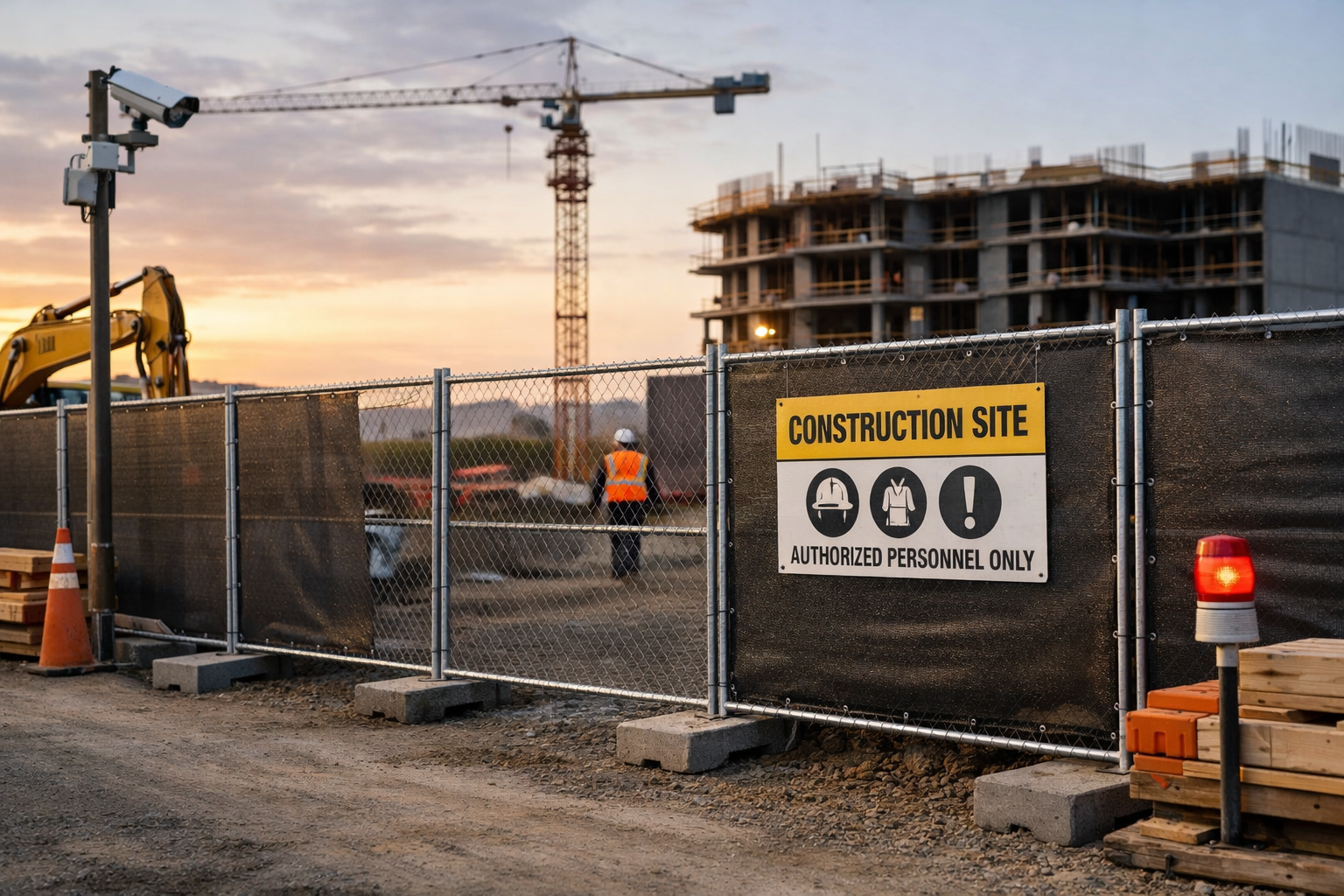
Before the first shovel hits the ground, successful construction projects are already well underway. The earliest decisions—often made before permits are finalized or materials arrive—can determine whether a project runs smoothly or struggles with delays and cost overruns. Strong construction project planning sets the foundation for efficiency, safety, and long-term success by ensuring that essential site services are in place from day one.
Pre-construction is not just about blueprints and budgets. It’s about preparing the jobsite to support people, equipment, and workflows without disruption.
Why Pre-Construction Planning Matters More Than Ever
Modern construction projects face tighter schedules, stricter regulations, and higher client expectations. Waiting until work begins to address site services often leads to rushed decisions and reactive problem-solving.
Effective pre construction preparation allows contractors to:
- Identify logistical challenges early
- Prevent service-related delays
- Improve safety conditions
- Control startup costs
- Establish clear operational workflows
When planning is proactive, execution becomes predictable.
Setting the Stage with Proper Site Services
A construction site is a temporary ecosystem. Without early planning, that ecosystem can quickly become chaotic. Establishing a clear site service setup before ground is broken ensures that crews can work efficiently from the first day.
Key services often planned in advance include:
- Sanitation and hygiene facilities
- Waste management and debris removal
- Site access and traffic flow
- Utility coordination
- Safety and compliance infrastructure
These elements support productivity long before vertical construction begins.
Aligning Services with the Overall Site Plan
Successful projects integrate service planning into broader construction site planning efforts. Site layout, access points, storage areas, and service zones must work together, not compete for space.
Early alignment helps contractors:
- Avoid relocating services mid-project
- Reduce equipment congestion
- Improve material flow
- Enhance worker safety
- Maintain a professional site appearance
Well-coordinated sites waste less time and energy adjusting to avoidable issues.
The Role of Logistics in Early Project Success
Logistics often determine how smoothly a project starts. Poor planning can create bottlenecks, delays, and safety risks before work even accelerates.
Strategic jobsite logistics planning addresses:
- Delivery schedules
- Equipment staging areas
- Crew access routes
- Waste removal timing
- Emergency access requirements
When logistics are mapped out early, contractors can focus on building—not troubleshooting.
Creating a Site Readiness Checklist
One of the most effective tools in pre-construction is a structured site readiness checklist. This checklist ensures that nothing essential is overlooked during the transition from planning to execution.
A comprehensive checklist may include:
- Service provider coordination
- Facility placement approvals
- Compliance and permitting verification
- Safety signage installation
- Initial service schedules
Checklists reduce uncertainty and help teams move confidently into active construction.
Supporting the Construction Startup Phase
The construction startup phase is one of the most vulnerable periods in any project. Crews are mobilizing, deliveries are arriving, and workflows are being tested in real time.
Proper site services during startup:
- Prevent early productivity losses
- Support crew onboarding
- Reduce confusion and downtime
- Set expectations for site standards
- Establish consistent routines
A strong start often predicts a strong finish.

Common Pre-Construction Planning Mistakes
Even experienced contractors can underestimate the importance of early service planning. Common mistakes include:
- Waiting until crews arrive to arrange services
- Underestimating workforce size
- Overlooking access constraints
- Failing to plan for scale changes
- Treating site services as secondary priorities
Avoiding these pitfalls requires viewing site services as integral—not optional.
How Early Planning Saves Time and Money
While pre-construction planning requires upfront effort, it significantly reduces long-term costs. Delays, emergency service calls, and mid-project adjustments are far more expensive than early coordination.
Early planning helps:
- Minimize startup delays
- Reduce labor downtime
- Prevent compliance issues
- Improve inspection outcomes
- Maintain schedule momentum
Time saved in the early stages compounds throughout the project lifecycle.
Building a Culture of Preparedness
Pre-construction planning is not just a process—it’s a mindset. Contractors who prioritize preparation create sites that are safer, more efficient, and easier to manage.
Prepared jobsites demonstrate:
- Professionalism
- Attention to detail
- Respect for workers
- Strong leadership
- Commitment to quality outcomes
These qualities resonate with clients, inspectors, and crews alike.
Conclusion
Setting up site services before ground is broken is one of the smartest investments a construction team can make. Thorough pre-construction planning reduces risk, improves safety, and creates the conditions for efficient execution from day one. By prioritizing readiness and coordination early, contractors can launch projects with confidence, maintain momentum, and achieve successful outcomes that carry through every phase of construction.