When people think about what makes a project successful, they usually mention budget, timeline, materials, or skilled labor. But here’s something that doesn’t get talked about enough:
The condition of the construction site itself. Not the design. Not the blueprint. Not the final structure. The daily environment where crews move, materials flow, supervisors make decisions, and tasks either progress smoothly—or fall apart.
Because whether we admit it or not, the jobsite environment directly impacts productivity, leadership effectiveness, and project outcomes. Let’s break that down.
A Jobsite Is a Living System
A build isn’t static. It’s constantly shifting.
New trades arrive. Materials get delivered. Phases overlap. Weather shifts. Inspections get scheduled.
Without strong jobsite organization, even experienced crews waste time navigating clutter, searching for materials, or waiting for space to clear.
Organization isn’t about aesthetics—it’s about operational clarity.
When everything has a defined place and flow:
- Crews move faster
- Supervisors solve fewer micro-issues
- Deliveries happen smoothly
- Safety risks decrease
Chaos costs money. Order protects margins.
Small Friction Points Become Big Delays
Most delays don’t come from catastrophic events. They come from accumulation.
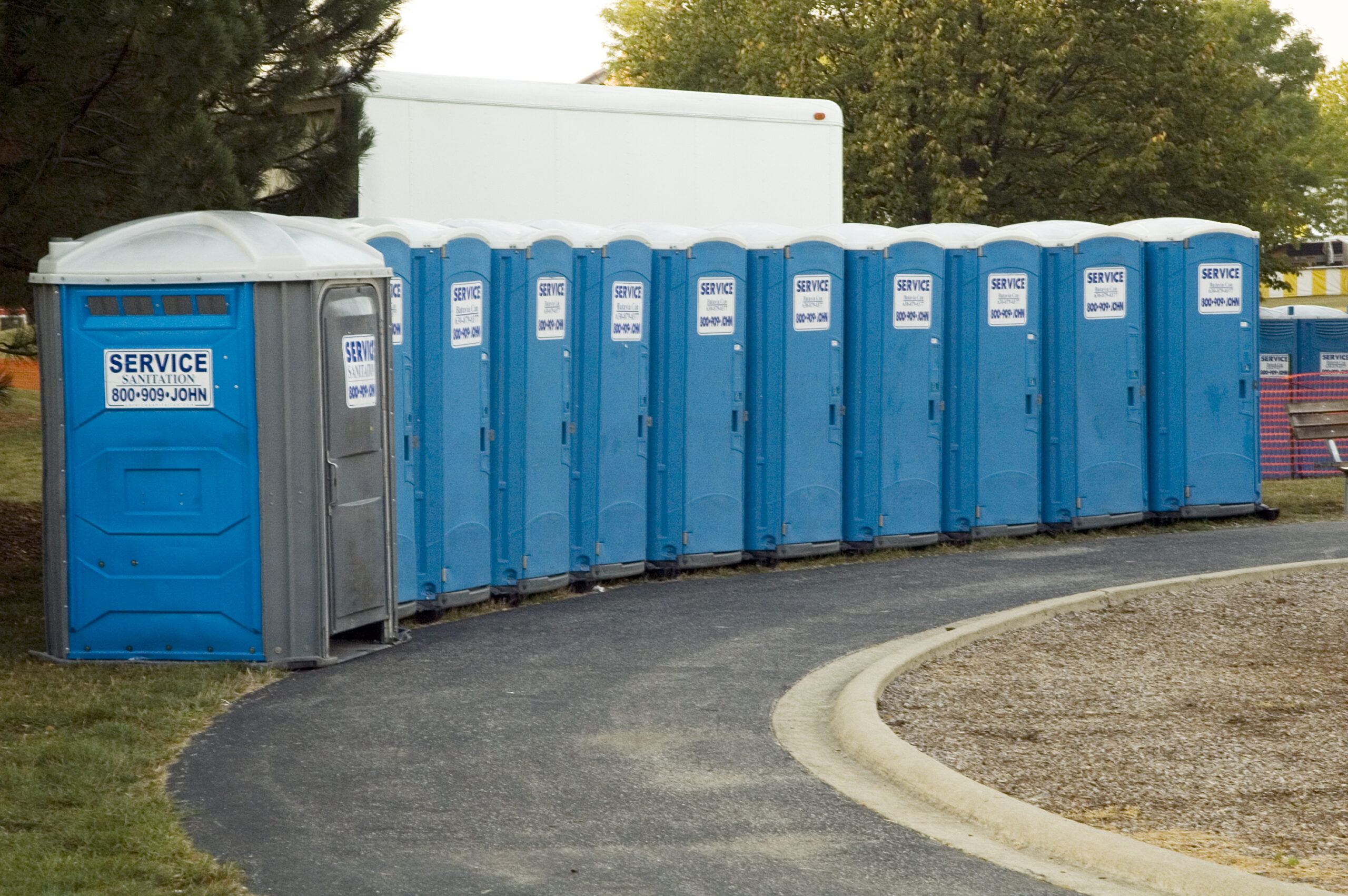
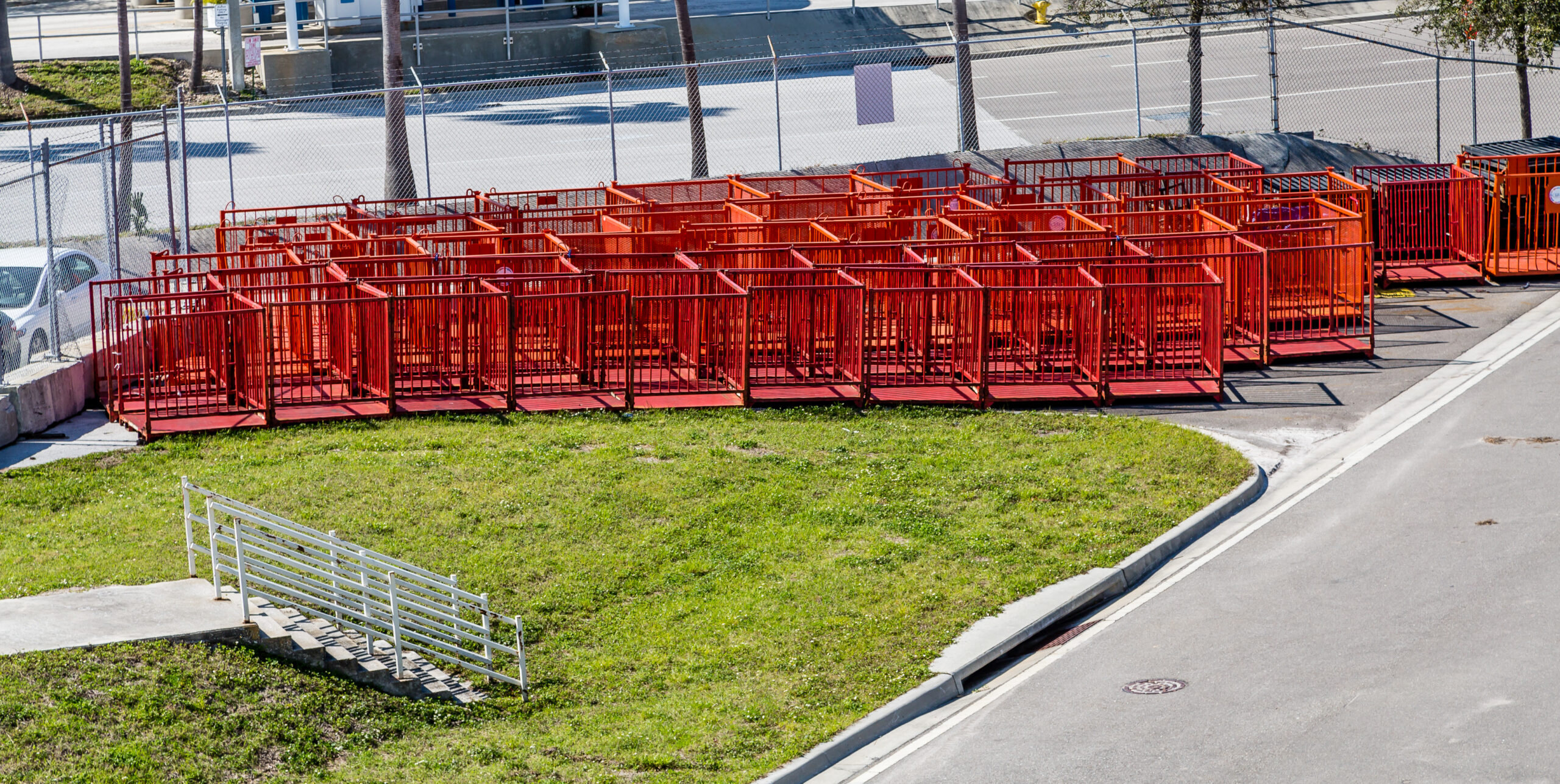
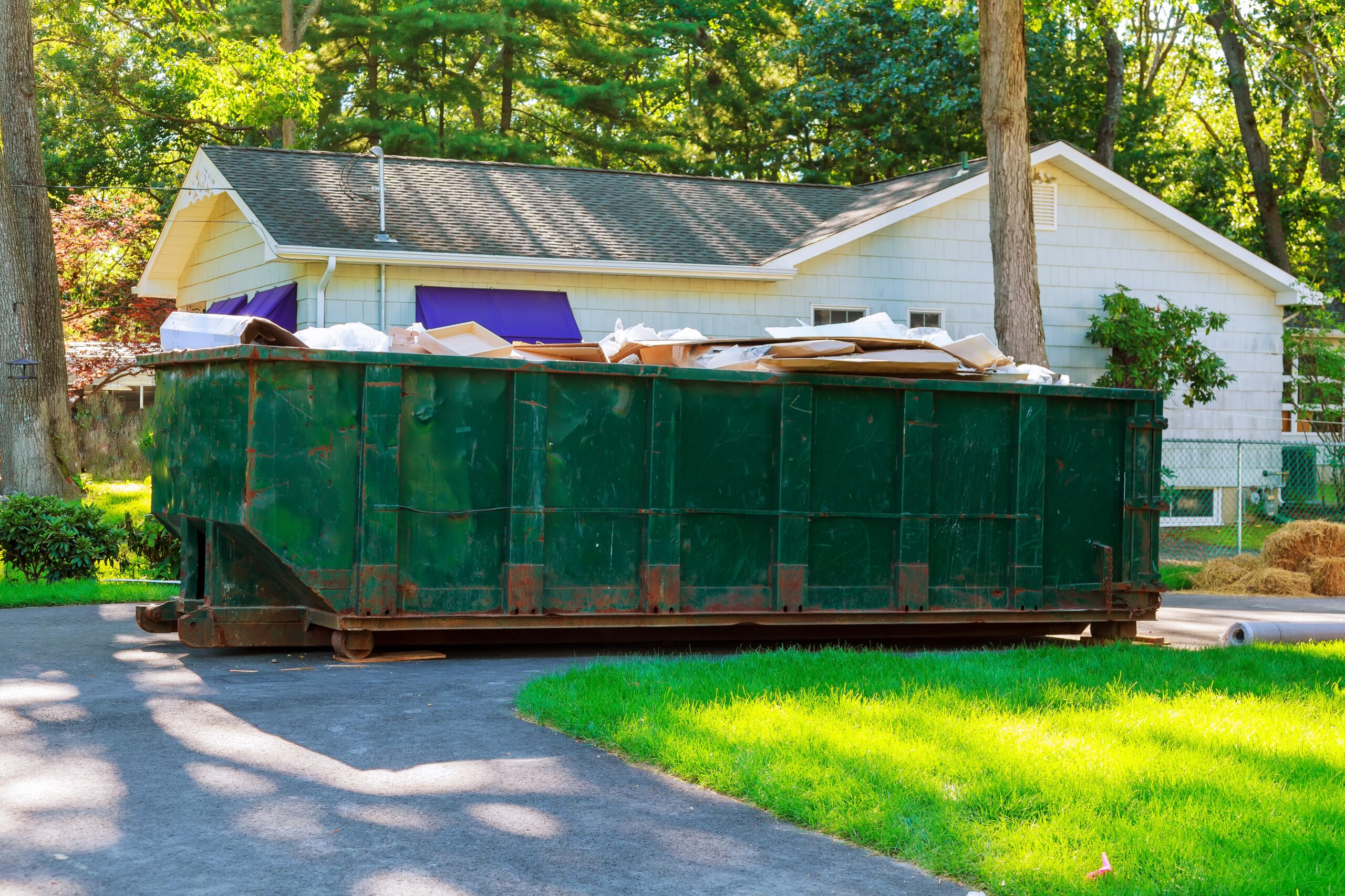
Blocked access routes. Overflowing dumpsters. Misplaced materials. Temporary fencing that wasn’t adjusted. Portable units in the wrong zone.
Individually, these feel minor. But combined, they create ongoing jobsite problems that quietly drain productivity.
You may not notice the slowdown immediately. But over weeks, those inefficiencies add up.
That’s why smart contractors don’t ignore “small” operational details.
Site Services Are Operational Tools — Not Extras
Some contractors see site service vendors as secondary support.
But in reality, these services shape the environment where everything else happens.
Think about it:
- Waste removal impacts workspace availability
- Fencing impacts access control
- Portable facilities impact crew comfort
- Stabilized entrances impact delivery timing
These aren’t peripheral details. They directly influence daily performance. When site services are aligned with project sequencing, everything feels smoother.
Productivity Is Environmental
We often talk about labor efficiency in terms of skill or supervision.
But the truth is, productivity Construction environments are engineered.
A crew working in a cluttered, poorly organized space will never move as efficiently as one operating in a structured layout.
Environmental factors that impact productivity include:
- Clear walking paths
- Defined staging zones
- Accessible equipment storage
- Logical traffic flow
- Clean work areas
The environment shapes behavior. And behavior shapes output.
Workflow Isn’t Just a Schedule — It’s Movement
Project schedules exist on paper. Workflow exists on the ground.
True jobsite workflow improvement happens when movement is intentional:
- Materials flow forward, not backward
- Debris exits without blocking progress
- Crews rotate in logical sequence
- Access points are clearly defined
- Equipment has designated zones
When workflow is strategic, bottlenecks shrink.
And when bottlenecks shrink, momentum builds.
Leadership Starts With Visibility
Strong contractor management isn’t just about tracking budgets and reviewing timelines.
It’s about seeing what’s happening in real time.
An organized site gives leadership clear visibility:
- You can spot inefficiencies quickly
- You can identify safety risks early
- You can adjust layouts as phases shift
- You can support crews before problems escalate
Disorganized sites hide problems. Structured sites reveal them early—when they’re still manageable.

The Cost of Ignoring Operational Structure
Let’s talk about what happens when operational structure is neglected:
- Crews lose time looking for materials
- Deliveries interrupt active work zones
- Waste accumulates in production areas
- Safety inspections become stressful
- Supervisors spend time reacting instead of leading
It creates a reactive culture.
And reactive cultures struggle to scale.
On the other hand, proactive structure creates calm environments—even during complex builds.
What a Well-Managed Site Actually Looks Like
When operational planning is done well, you’ll notice:
- Clearly marked entry and exit points
- Defined waste and material zones
- Logical sequencing of trades
- Clean, accessible walking paths
- Minimal cross-traffic conflicts
- Quick adaptation to phase changes
It feels controlled. Intentional. Predictable.
And that predictability builds confidence among crews and clients alike.
Quick Wins for Contractors
- Review site layout weekly as phases change
- Keep waste removal aligned with production levels
- Redefine staging areas during trade transitions
- Audit access points for efficiency
- Maintain clean, navigable pathways
- Adjust service placement as crew size shifts
Small operational adjustments make long-term impact.
Operational Discipline Builds Reputation
Clients may not understand the technical details of construction—but they absolutely understand order versus chaos.
When they visit your site and see structure, cleanliness, and control, it reinforces trust.
Inspectors move more confidently through organized spaces. Investors feel reassured. Subcontractors work more smoothly.
Operational discipline becomes part of your brand. And in competitive markets, reputation is leverage.
How IVAN’S SITE SERVICES Supports Structured Jobsites
At IVAN’S SITE SERVICES, we understand that the environment drives performance.
We support contractors by helping create:
- Clear perimeter definition
- Efficient waste systems
- Adaptable service placement
- Organized operational zones
- Flexible support as phases evolve
Because when your jobsite environment is structured, your leadership becomes more effective—and your crews perform at their best.
Conclusion
Behind every successful project is an environment designed for efficiency. When operational structure is prioritized, teams move with clarity, leaders manage proactively, and timelines become more predictable. The physical condition of a jobsite directly shapes performance, safety, and profitability. Creating order isn’t about appearance—it’s about control. And control is what turns complex projects into consistent results.