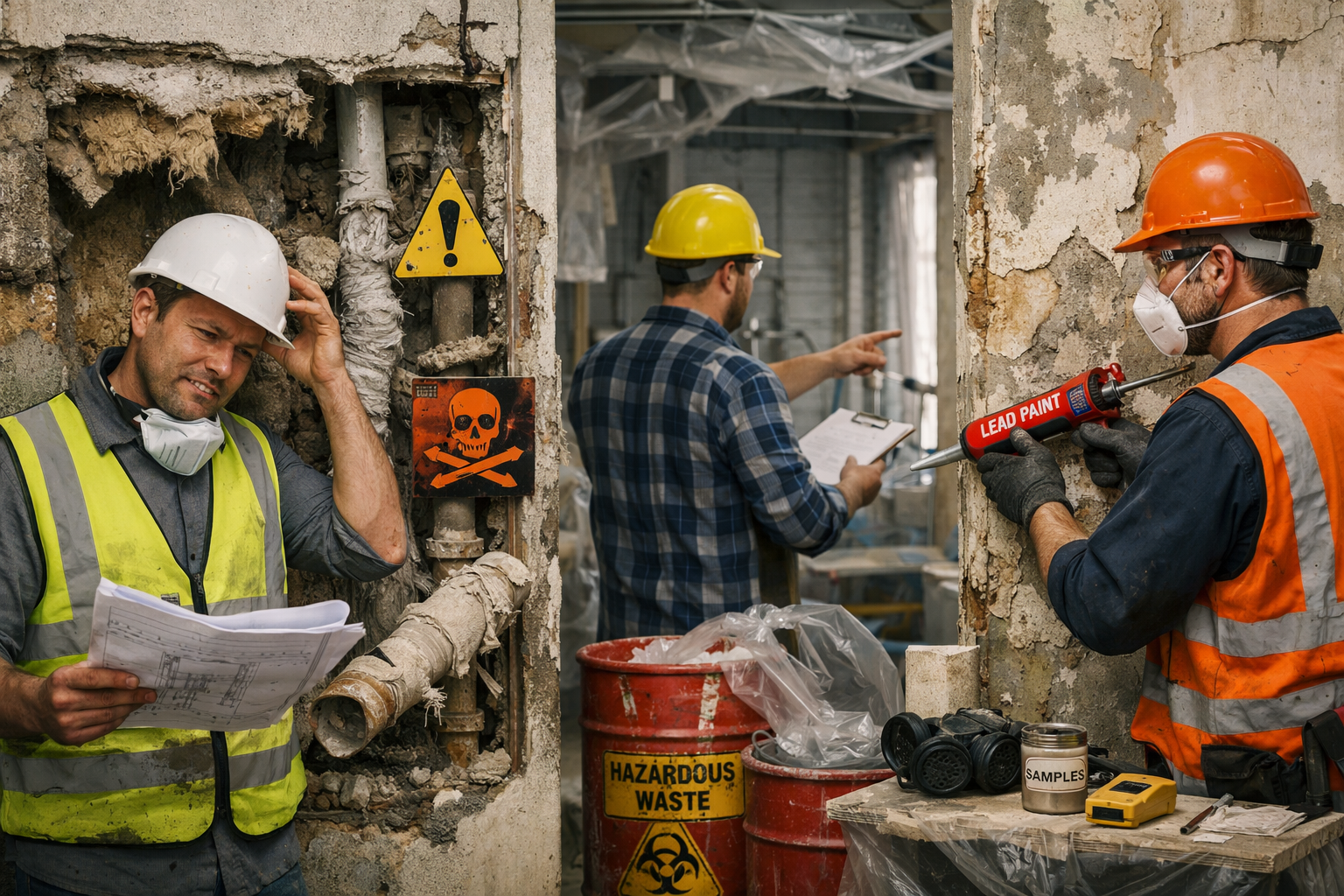
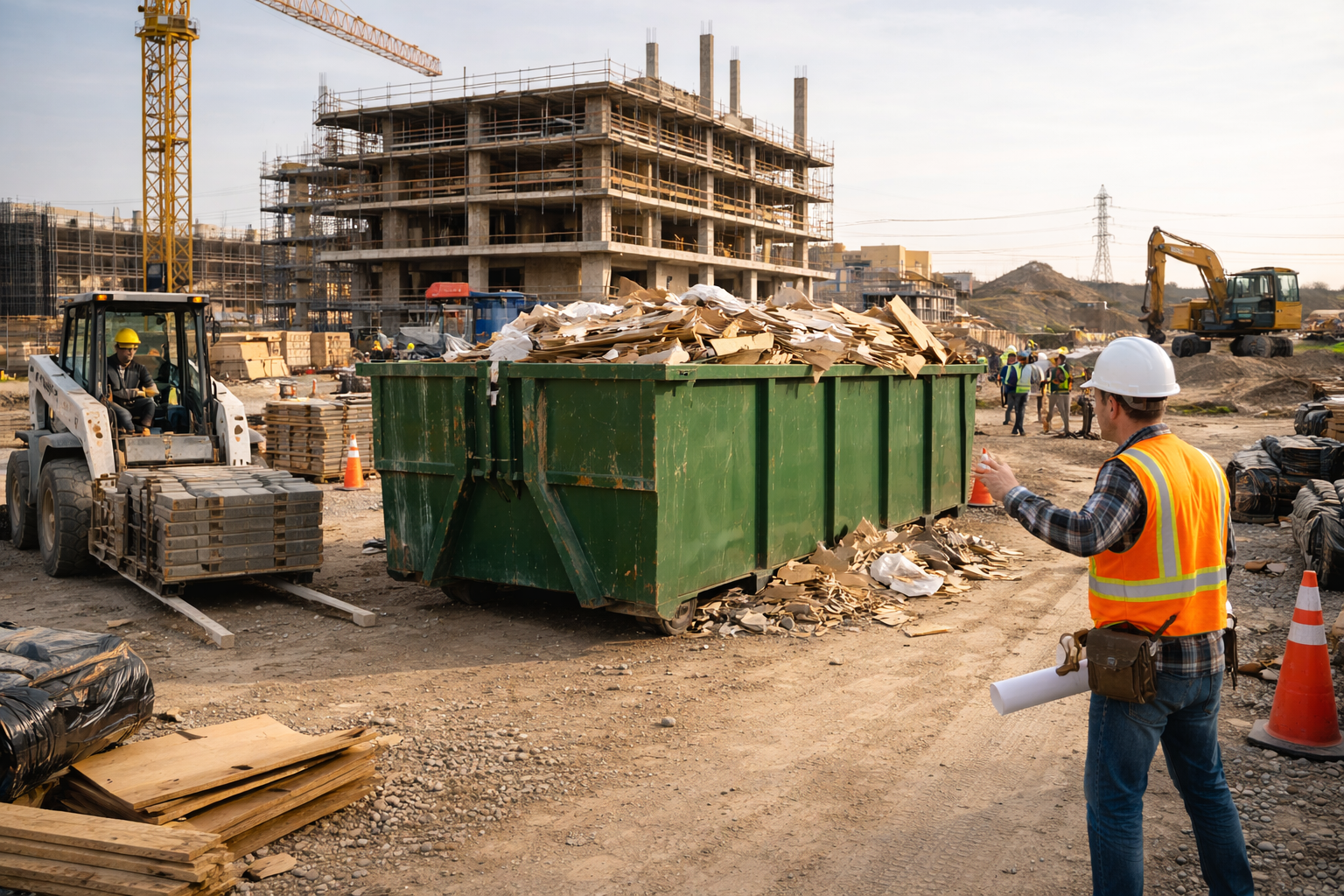
Multi-phase construction projects are complex by nature. From pre-construction groundwork to final closeout, each phase introduces new logistical demands, shifting timelines, and evolving site conditions. To maintain momentum and avoid costly disruptions, contractors must rely on a service provider capable of delivering consistent, adaptable support throughout the entire project lifecycle.
Reliable site services are not a convenience—they are a strategic asset. When properly planned and executed, they help contractors control costs, improve safety, and keep every phase aligned with project goals.
Understanding the Challenges of Multi-Phase Construction
Unlike single-scope projects, multi-phase construction involves overlapping activities, multiple crews, and frequent changes in site layout. These variables increase the risk of inefficiencies if site services are not carefully coordinated.
Common challenges include:
- Shifting access points and traffic flow
- Increased waste generation at different stages
- Temporary shutdowns between phases
- Varying workforce sizes
- Compliance and safety adjustments
Without reliable support, small logistical issues can quickly escalate into delays that impact the entire schedule.
Why Reliable Site Services Matter Across All Phases
Every phase of construction depends on seamless operational support. Early groundwork requires different resources than structural development or finishing stages. Having dependable construction site services ensures that each phase transitions smoothly without unnecessary downtime.
Key benefits include:
- Consistent site readiness
- Improved coordination between trades
- Reduced cleanup bottlenecks
- Better material flow
- Safer working conditions
Reliability creates predictability—and predictability is critical for meeting deadlines and budgets.
The Importance of Strategic Waste Planning
Waste management becomes increasingly complex as projects progress through multiple phases. Debris types, volumes, and disposal requirements change over time, making planning essential.
Effective support solutions construction waste planning helps contractors:
- Anticipate waste volume by phase
- Prevent debris accumulation
- Maintain compliance with disposal standards
- Avoid workflow interruptions
- Keep the site clean and organized
When waste planning is proactive rather than reactive, it supports productivity instead of hindering it.
Adapting Services to Each Construction Phase
A multi-phase project requires site services that can adapt as conditions evolve. What works during excavation may not be suitable during interior build-outs or finishing stages.
Phase-Specific Support Examples
- Early Phase: debris containment, access coordination, site preparation
- Mid-Phase: increased waste removal frequency, safety-focused site organization
- Final Phase: detailed cleanup, streamlined removal, site presentation readiness
An experienced partner understands how to adjust services without disrupting active operations.
Supporting the Contractor’s Daily Operations
A well-supported contractor site functions more efficiently and safely. When site services are reliable, contractors spend less time managing logistics and more time focusing on construction quality and progress.
Reliable support contributes to:
- Improved crew morale
- Reduced safety hazards
- Fewer schedule conflicts
- Clearer site organization
- Stronger inspection outcomes
Site services that integrate seamlessly into daily operations become a competitive advantage rather than an operational burden.
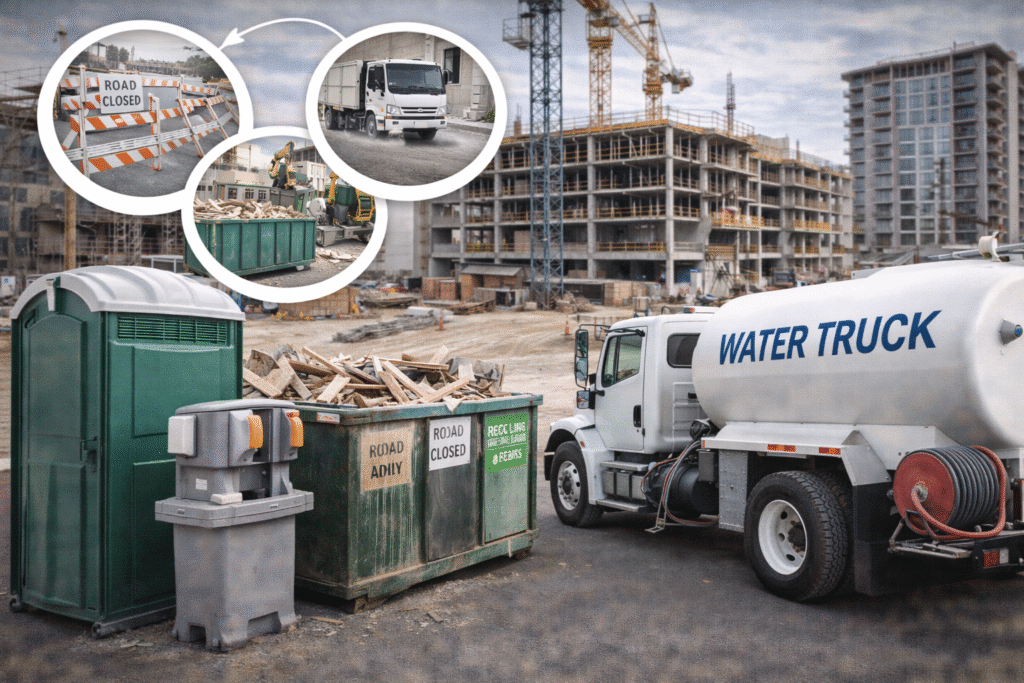
Minimizing Delays Through Consistency
In multi-phase construction, delays compound quickly. One missed service window can affect multiple trades and phases. Consistency in service delivery helps prevent these disruptions.
Consistent site services allow contractors to:
- Maintain predictable workflows
- Reduce idle labor time
- Coordinate subcontractors more effectively
- Avoid emergency service calls
- Keep phase transitions on schedule
Reliability is not just about showing up—it’s about showing up prepared, every time.
Enhancing Safety and Compliance
Safety standards evolve as projects progress. Site conditions that are safe during early phases may become hazardous later if services are not adjusted accordingly.
A dependable construction service helps maintain safety by:
- Keeping work areas clear of debris
- Supporting proper waste containment
- Reducing trip and access hazards
- Supporting regulatory compliance
- Improving overall site visibility and order
Clean, organized sites are safer sites—and safer sites experience fewer shutdowns and inspections issues.
Scalability: A Critical Advantage in Multi-Phase Projects
One of the most overlooked aspects of site services is scalability. Workforce size, waste output, and service frequency fluctuate throughout a project. Site services must scale accordingly.
Scalable support provides:
- Flexible scheduling
- Adjustable service frequency
- Responsive solutions during peak activity
- Cost control during slower phases
This flexibility prevents overpaying for unnecessary services while ensuring adequate support when demand increases.
How Reliable Site Services Protect Project Budgets
Unexpected delays and inefficiencies are major budget killers. When site services are unreliable, contractors often face additional labor costs, rescheduling fees, and extended timelines.
Reliable support helps protect budgets by:
- Preventing cleanup-related delays
- Reducing emergency service expenses
- Supporting smoother inspections
- Improving labor efficiency
- Maintaining project momentum
In long-term, multi-phase projects, these savings add up significantly.
Conclusion
Multi-phase construction projects demand more than basic logistical support—they require a dependable partner capable of adapting to change, maintaining consistency, and supporting productivity from start to finish. Reliable site services play a critical role in minimizing delays, improving safety, and protecting project budgets. By investing in professional, scalable support, contractors can keep every phase moving forward with confidence and efficiency, ensuring long-term project success.