Winter construction can present unique challenges that require careful planning and attention to detail. Cold temperatures, snow, and icy conditions can affect every aspect of a project, from the safety of workers to the efficiency of waste management. For construction professionals, maintaining a clean and safe site is critical—not only to comply with regulations but also to protect your team and ensure that projects stay on schedule. In this guide, we will explore winter construction tips to help contractors and site managers navigate these challenges successfully.
Why Winter Construction Requires Extra Planning
Working in the winter isn’t just about putting on extra layers of clothing. It also demands strategic thinking about equipment, materials, and site organization. Cold weather can affect the durability of construction materials, slow down machinery, and create hazardous conditions if proper precautions aren’t taken. One of the key areas that often gets overlooked is winter construction waste management. Proper handling of debris and trash is essential to prevent accidents and keep operations running smoothly.
Common Winter Construction Challenges
- Snow and ice accumulation that makes surfaces slippery
- Delays due to frozen ground or delayed deliveries
- Increased wear and tear on machinery
- Compacted waste that’s harder to handle
Each of these challenges reinforces the need for comprehensive planning. Among all preventive measures, selecting the right cold weather dumpster rental solution can make a significant difference.
Choosing the Right Dumpster for Cold Weather
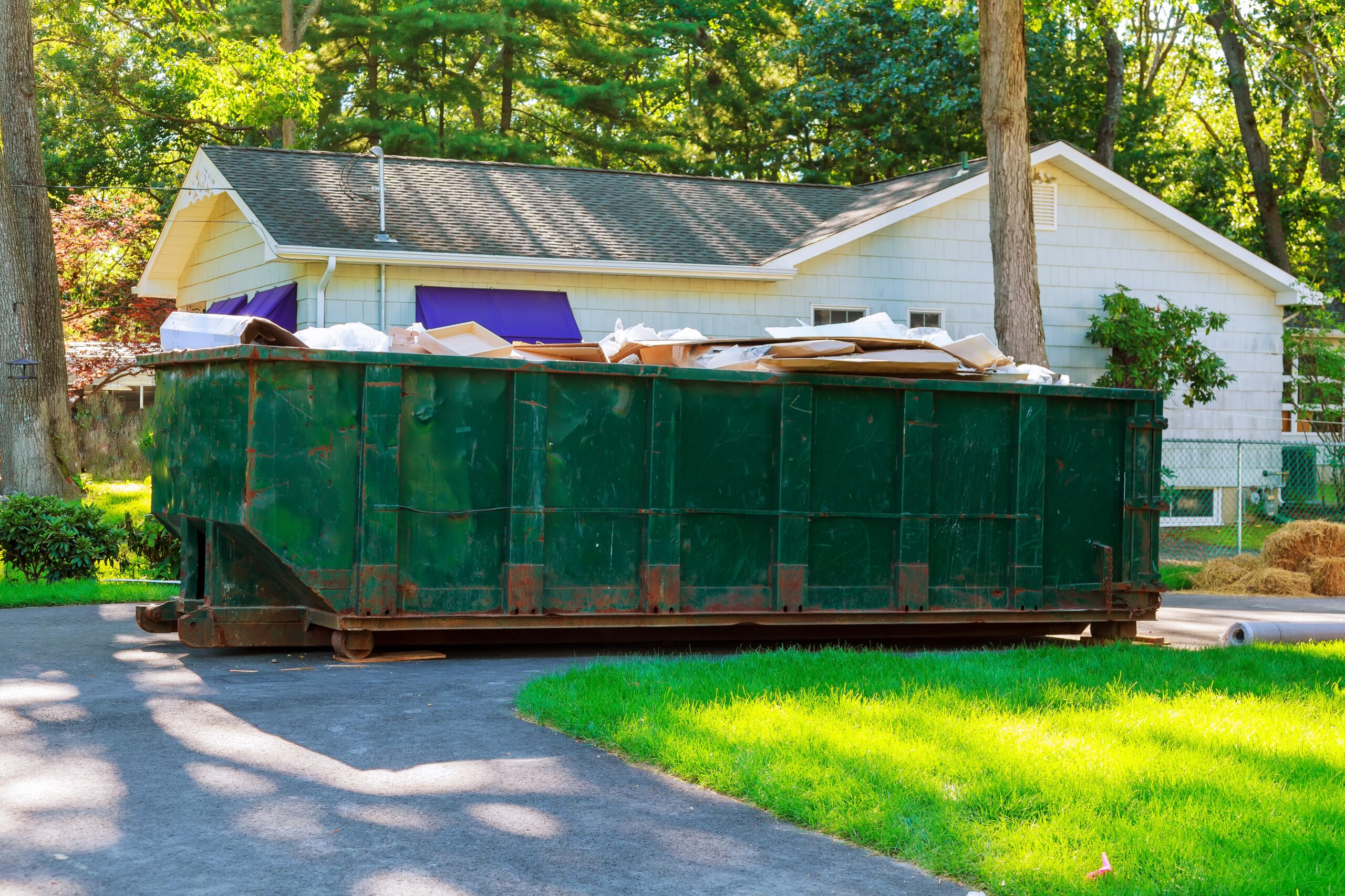
Not all dumpsters are created equal when it comes to winter construction. Standard containers can become problematic in freezing conditions if they are not properly managed. Choosing a cold weather dumpster rental from a reliable provider ensures that your site remains organized and reduces the risk of accidents.
Key Factors to Consider
- Durability: Ensure the dumpster can withstand freezing temperatures and heavy snow.
- Size: Accurately assess the volume of debris to avoid frequent pickups.
- Accessibility: Make sure workers can safely reach and deposit waste, even during icy conditions.
- Service Reliability: Choose a company that can provide prompt pickups, even during winter storms.
By addressing these considerations, you can improve both efficiency and safety, which ties directly into overall jobsite safety winter tips.
Safe Dumpster Placement in Snowy Conditions
Improper placement of dumpsters during the winter can create hazards for your crew. For instance, placing a container on an uneven snowbank or in a poorly visible area increases the risk of slips, trips, and equipment damage. Prioritizing safe dumpster placement in snow is a simple yet effective way to reduce accidents and maintain workflow.
Placement Best Practices
- Avoid low-lying areas prone to water accumulation and ice formation.
- Keep dumpsters away from main pathways and high-traffic zones.
- Elevate containers slightly if possible, to prevent snow and ice buildup at the base.
- Clearly mark the dumpster location with cones or reflective tape for visibility.
When these practices are followed, waste removal becomes smoother, and the risk of winter-related injuries drops significantly.
Jobsite Safety Winter Tips for Workers
Maintaining a clean site is only part of the equation. Winter construction workers face additional hazards such as frostbite, hypothermia, and slips on icy surfaces. Integrating jobsite safety winter tips into daily operations is essential for keeping the team safe and reducing downtime.
Practical Safety Measures
- Wear appropriate PPE: Layered clothing, insulated gloves, and slip-resistant boots.
- Regularly clear pathways: Remove snow and ice from walkways, stairs, and around dumpsters.
- Use signage: Warn about icy conditions and designate safe walking areas.
- Monitor weather conditions: Adjust work schedules during extreme cold or snowstorms.
- Educate the crew: Conduct regular safety briefings emphasizing winter-specific risks.
These proactive measures ensure that winter construction operations continue without compromising worker safety.
Winter Construction Waste Management Strategies
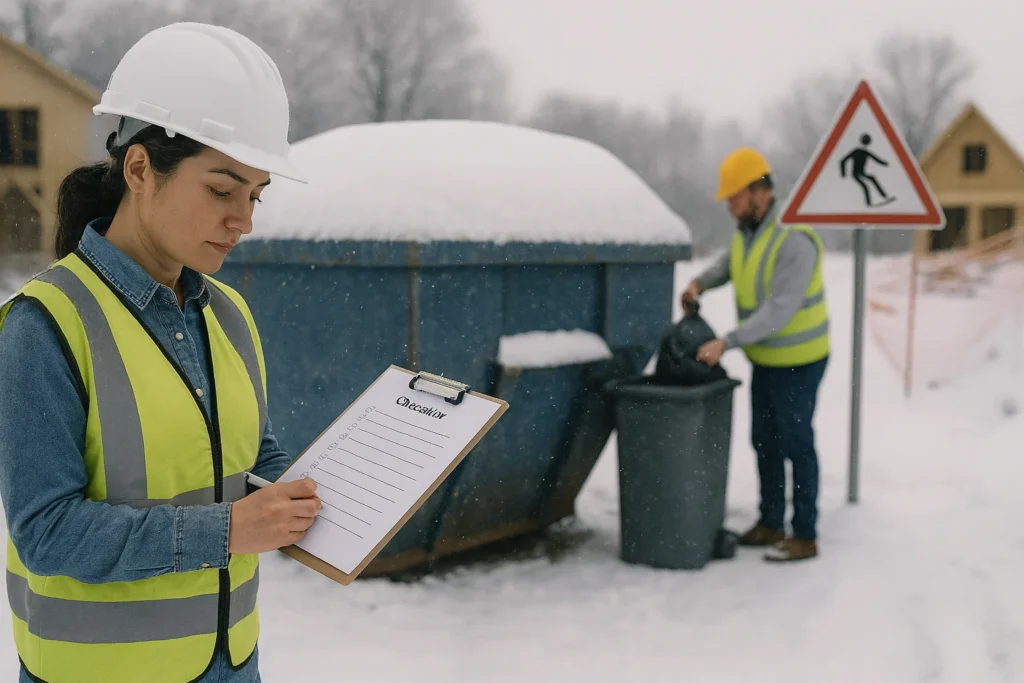
Effective winter construction waste management requires foresight and organization. Cold temperatures can make some types of waste harder to handle, while ice and snow can limit access to dumpsters. Planning in advance allows for more efficient waste removal and reduces interruptions to the project.
Tips for Efficient Waste Management
- Schedule frequent pickups to prevent overflowing dumpsters.
- Use tarps or covers to protect debris from snow and ice.
- Separate materials for easier disposal and recycling.
- Avoid leaving sharp or hazardous items exposed to freezing conditions.
By implementing these strategies, construction teams can save time, minimize hazards, and ensure compliance with local regulations regarding waste disposal.
Timing and Scheduling Considerations
Winter projects often require more careful scheduling. Delays caused by snow or ice can affect not only construction timelines but also waste removal. Planning for winter construction tips includes factoring in extra time for dumpster access and potential service interruptions due to weather conditions.
Scheduling Best Practices
- Book dumpsters in advance, especially during peak winter months.
- Plan for backup pickup services in case of inclement weather.
- Coordinate waste removal with other site activities to maintain smooth workflow.
- Maintain a buffer of time for snow removal around dumpsters and pathways.
Proper scheduling minimizes disruptions and ensures that waste management doesn’t become a bottleneck on the jobsite.
Equipment and Tools for Winter Conditions
Cold weather can affect not only dumpsters but also the tools used to manage debris. Using appropriate equipment is a critical part of safe dumpster placement in snow and general site safety.
Recommended Equipment
- Snow shovels and ice melt for clearing pathways
- Heavy-duty tarps for covering waste
- Wheelbarrows or carts with winter tires for moving debris
- Heated storage units for temperature-sensitive materials
Investing in these tools improves efficiency and reduces the risk of accidents, particularly when conditions are icy or snowy.
Training and Communication
A well-informed team is one of the best defenses against winter hazards. Regular training sessions that emphasize jobsite safety winter tips help workers recognize and avoid dangerous situations. Clear communication ensures that everyone knows the location of dumpsters, pathways, and emergency exits, even when visibility is reduced by snow or fog.
Communication Strategies
- Daily briefings on weather and site conditions
- Signage highlighting hazardous zones and safe walking routes
- Radio or mobile communication for quick updates
- Documentation of safety procedures for reference
Strong communication not only prevents accidents but also fosters a culture of accountability and safety on site.
Environmental Considerations
Winter construction projects should also consider the environmental impact of waste management. Properly managing winter construction waste helps reduce pollution, prevents materials from being scattered by wind or snow, and supports sustainable practices.
Eco-Friendly Tips
- Recycle materials whenever possible
- Prevent runoff by covering dumpsters and using spill containment measures
- Choose biodegradable or low-impact products for temporary site use
- Train workers on environmentally responsible disposal methods
Sustainable practices contribute to a cleaner work environment and can enhance the reputation of your construction company.
Conclusion
Winter construction doesn’t have to slow down progress or compromise safety. By following practical strategies, such as selecting the right cold weather dumpster rental, implementing jobsite safety winter tips, ensuring safe dumpster placement in snow, and optimizing winter construction waste management, construction teams can maintain a clean, organized, and secure jobsite. Proper planning, communication, and the right equipment make winter construction projects more efficient and safer for everyone involved.