
When planning a construction project, it’s easy to focus on the big-ticket items like permits, equipment, and materials. However, one often-overlooked aspect is the placement of dumpsters on your jobsite. Proper dumpster placement is crucial not only for efficient waste management but also for avoiding fines and violations. In this article, we’ll delve into the regulations surrounding dumpster placement and offer practical guidance to help you stay compliant.
Dumpster placement regulations vary by location, but they generally focus on safety, accessibility, and environmental considerations. It’s essential to be aware of these rules before placing a dumpster on your jobsite. Here’s a breakdown of the key factors to consider:
Safety First
Safety is a primary concern when it comes to dumpster placement. Dumpsters should be positioned in a way that does not obstruct pathways or emergency exits. This ensures that workers can move freely and access emergency routes if necessary. Additionally, dumpsters should not be placed under power lines or close to flammable materials to prevent accidents.
Accessibility for Efficient Waste Management
To facilitate efficient waste management, dumpsters must be easily accessible to both workers and waste removal trucks. Placing dumpsters too far from the work area can lead to inefficiencies and increased labor costs. Conversely, if dumpsters are too close to the work area, they can become an obstruction. Aim to strike a balance that allows for easy access while maintaining a clutter-free site.
Environmental Considerations
Environmental regulations often dictate dumpster placement to prevent contamination and pollution. For instance, dumpsters should not be placed near storm drains or water bodies to avoid potential leaks contaminating the water supply. Additionally, many areas require dumpsters to be covered when not in use to minimize odors and prevent debris from being blown away.
Local Laws and Permits
Understanding local laws and permits is essential for compliant dumpster placement. Regulations can vary significantly from one jurisdiction to another, so it’s crucial to research the specific requirements in your area.
Municipal Regulations
Many municipalities have specific guidelines regarding where dumpsters can be placed. These rules are typically designed to ensure public safety and maintain the aesthetic quality of the area. Common regulations include restrictions on placing dumpsters on public streets or sidewalks without a permit.
Obtaining Permits
In some cases, you may need to obtain a permit to place a dumpster on your jobsite legally. This is often the case if the dumpster is to be placed on public property. Permit requirements can include fees, time limits, and stipulations regarding the size and location of the dumpster. Failing to obtain the necessary permits can result in hefty fines and delays in your project.
HOA and Private Property Rules
If your jobsite is within a community governed by a homeowners association (HOA) or on private property, additional rules may apply. HOAs often have specific guidelines about the placement, appearance, and duration of dumpsters to maintain neighborhood standards. Always check with the relevant authorities or property owners before placing a dumpster.
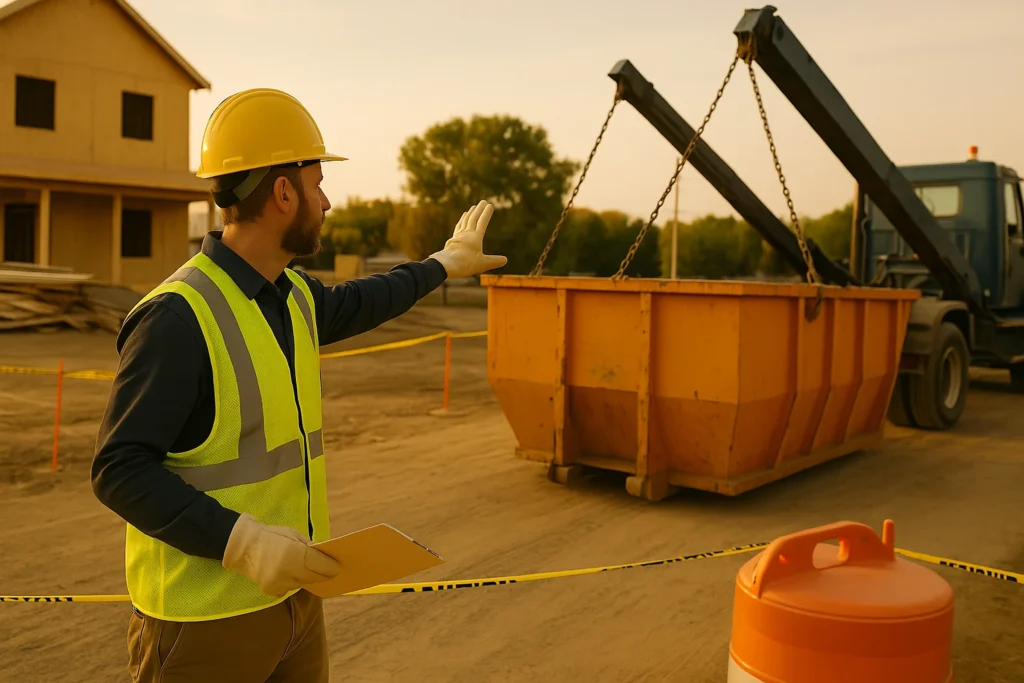
Best Practices for Dumpster Placement
To avoid fines and violations, follow these best practices for dumpster placement on your jobsite:
Site Assessment
Conduct a thorough assessment of your jobsite to determine the most suitable location for the dumpster. Consider factors such as proximity to the work area, accessibility for waste removal trucks, and potential safety hazards.
Clear Communication
Communicate with your team and any relevant authorities about the planned placement of the dumpster. Ensure that everyone involved understands the regulations and guidelines to avoid misunderstandings and potential violations.
Regular Inspections
Conduct regular inspections of the dumpster placement to ensure ongoing compliance with regulations. Address any issues promptly to prevent fines or violations.
Engage Professional Services
Consider hiring a professional waste management service to handle dumpster placement and compliance. These experts can provide valuable insights and assistance in navigating local regulations and securing necessary permits.
Conclusion
Proper dumpster placement is an essential aspect of managing a construction jobsite effectively. By understanding and adhering to regulations, you can avoid fines, maintain a safe environment, and ensure efficient waste management. Conduct thorough research, communicate clearly with your team, and follow best practices to keep your project on track and compliant.
By taking the time to understand and implement these guidelines, you can focus on the bigger picture of your construction project, knowing that your waste management practices are both efficient and compliant with local laws. Remember, a well-organized jobsite is not only a productive one but also a safe and legally compliant one.


